Cornwall Creates 14th National Nature Reserve for Wildlife
Over 1,100 hectares of historic Cornish moorland just became England's 14th National Nature Reserve, protecting rare species while creating new opportunities for communities in one of Cornwall's most economically disadvantaged regions. The Mid Cornwall Moors designation more than doubles the actively managed conservation land in the area.
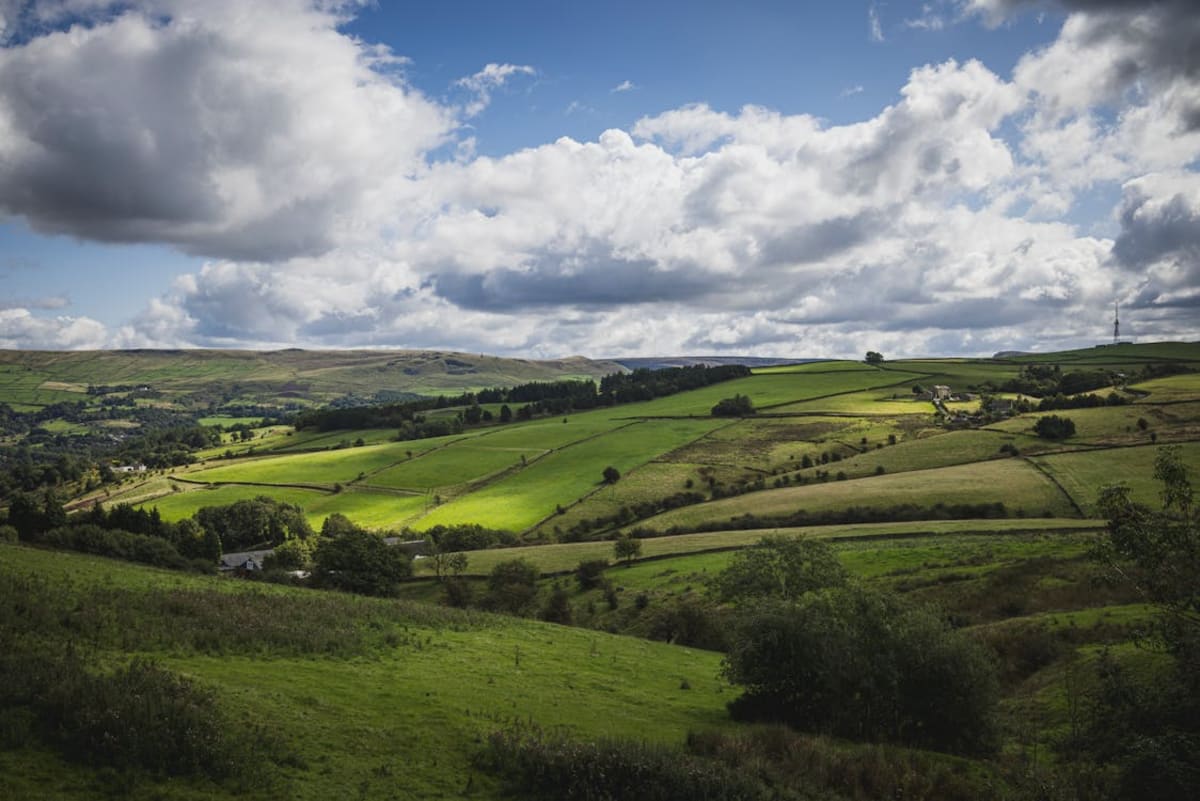
Cornwall just gave its wild heart a permanent home. The Mid Cornwall Moors became England's 14th National Nature Reserve this week, protecting over 1,100 hectares of moorland between St Austell, Bodmin, and St Columb Major.
The designation means roughly 1,500 football pitches worth of rare habitats now have official protection. Conservationists will actively manage the land to help endangered species thrive and restore ecosystems that have struggled for decades.
The moors host wildlife found almost nowhere else. Willow tits nest in wet willow carr, while royal ferns and lesser butterfly orchids grow in raised bogs thick with sphagnum moss. The carnivorous round-leaved sundew dots the landscape alongside Cornish moneywort, a plant strongly tied to the region's historic tin streaming environment.
History runs deep here too. Iron Age hillforts like Castle an Dinas still stand, and Goss Moor carries folklore linking it to King Arthur's hunting grounds. Traces of prehistoric tin streaming and ancient woodland reveal thousands of years of human connection to this land.
Five organizations will manage the reserve together: Natural England, Cornwall Wildlife Trust, Cornwall Heritage Trust, the Gaia Trust, and Imerys. Their partnership brings decades of separate conservation efforts under one coordinated approach.
The reserve sits in one of Cornwall's most economically disadvantaged areas, and supporters believe the designation will improve community wellbeing. Better access to nature, expanded educational programs, and increased tourism could bring new opportunities to local residents and farmers.
The Ripple Effect
About 1.4 million people now live within 5km of a King's Series National Nature Reserve. Natural England aims to reach 25 reserves by 2028 with King Charles III's support, creating larger and better-connected protected areas that give nature real room to recover.
Cornwall Wildlife Trust already sees results from conservation grazing and beaver reintroductions at Helman Tor, now part of the reserve. These efforts create resilient habitats where both wildlife and people benefit from healthier ecosystems.
The designation proves that protecting nature and supporting communities aren't competing goals. When we make space for rare orchids and ancient ferns, we also make space for children to explore, families to hike, and neighbors to connect with the land that shaped their ancestors.
Nature recovery requires patience, partnership, and places big enough to make a real difference.
Based on reporting by Google News - Wildlife Recovery
This story was written by BrightWire based on verified news reports.
Spread the positivity!
Share this good news with someone who needs it