Australia Approves Giant Underground Battery for 80,000 Homes
A groundbreaking compressed air energy storage facility just cleared a major regulatory hurdle in Australia, bringing reliable renewable power to thousands of homes. The innovative underground system will store eight hours of clean energy beneath the outback.
Australia just took a massive step toward solving one of renewable energy's biggest challenges: storing power when the sun isn't shining and the wind isn't blowing.
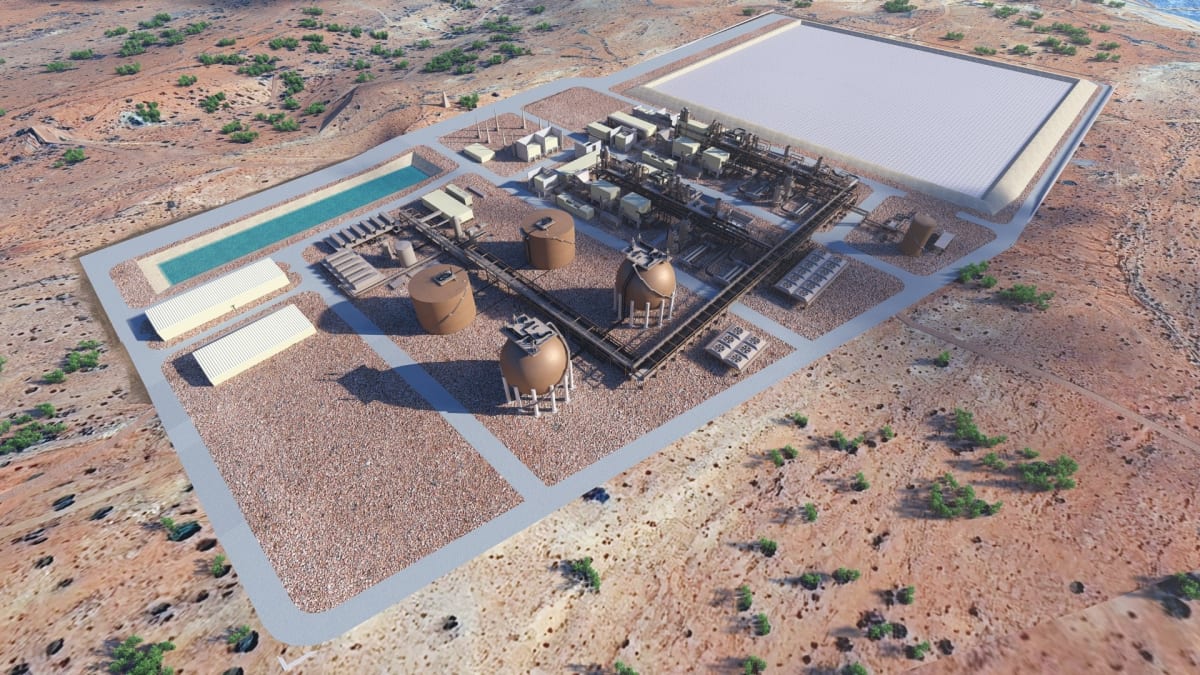
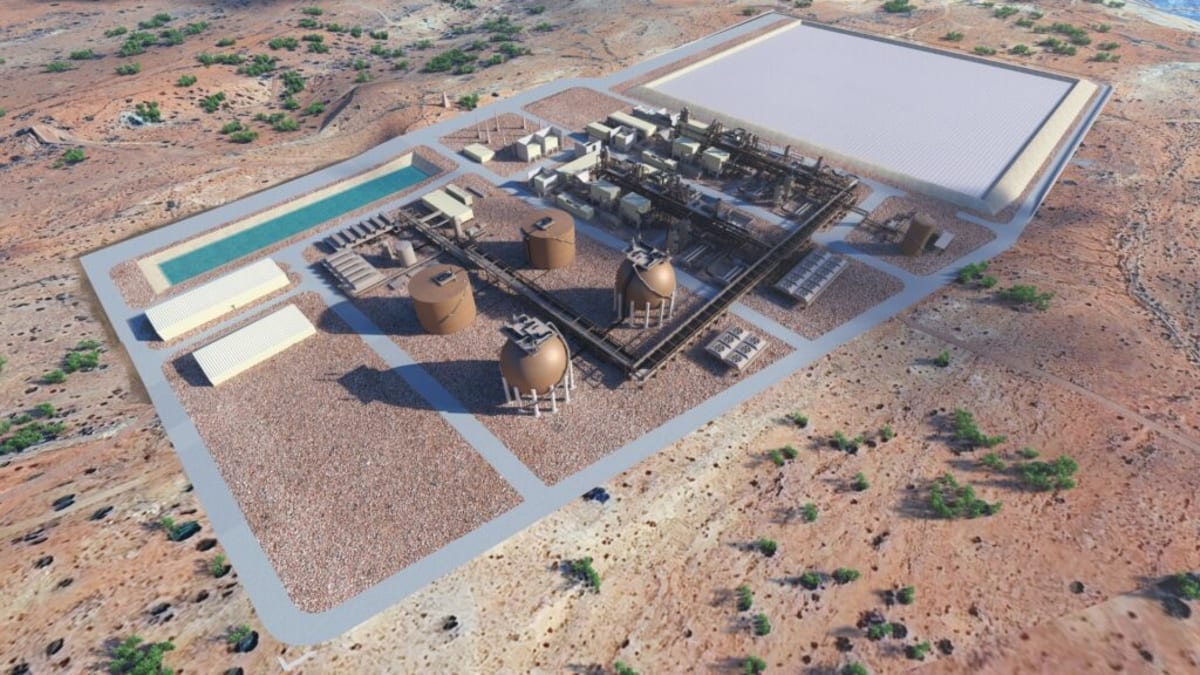
Hydrostor received approval to connect its Silver City Energy Storage Centre to the grid in Broken Hill, New South Wales. The project marks Australia's first large-scale compressed air energy storage facility, capable of powering more than 80,000 homes for an entire day.
The technology works like a giant underground battery. During periods when solar and wind farms produce excess electricity, the system uses that power to compress air and heat it. The compressed air travels down a shaft into massive underground caverns where it waits until needed.
When demand spikes, the compressed air rushes back up to spin turbines and generate electricity. The system can deliver 200 megawatts of power for at least eight hours, providing the kind of reliable backup that makes renewable energy grids possible.
The Australian Energy Market Operator and Transgrid approved the connection after rigorous testing, simulations, and network studies. Martin Becker, Hydrostor's Country Lead, called it a critical milestone for energy infrastructure in the region.
Broken Hill and surrounding areas will benefit first. The project reserves 50 megawatts specifically to provide backup power during network outages, addressing a real vulnerability for communities in Australia's far west.
The Ripple Effect
This approval signals something bigger than one project. As Australia races to bring more renewable generation online, long-duration storage becomes essential for grid reliability. Unlike batteries that store power for a few hours, this system holds energy for an entire workday.
The technology also creates local economic opportunities. Construction will bring jobs and investment to regional New South Wales, with lasting benefits from ongoing operations.
Hydrostor already operates a smaller demonstration project in Canada and has 7,000 megawatts of similar projects in development worldwide. The company plans a 500-megawatt facility in California and two more in Victoria, Australia.
The system achieves 60 to 65 percent round-trip efficiency, meaning some energy gets lost in the compression and generation process. But the trade-off allows renewable energy to work like traditional power plants, dispatching electricity exactly when communities need it most.
Grid connection approval represents years of engineering work and regulatory navigation finally paying off. Australia's ambitious renewable energy goals just got more achievable with proven technology that stores clean power underground until the moment it's needed most.
More Images


Based on reporting by PV Magazine
This story was written by BrightWire based on verified news reports.
Spread the positivity!
Share this good news with someone who needs it