Australia Backs Autistic Entrepreneurs in New Strategy
Australia's first National Autism Strategy is helping autistic people thrive by supporting self-employment, addressing an 18.2% unemployment rate that's six times higher than the general population. From consultancies to craft businesses, autistic entrepreneurs are proving that creating their own workplaces lets them shine.
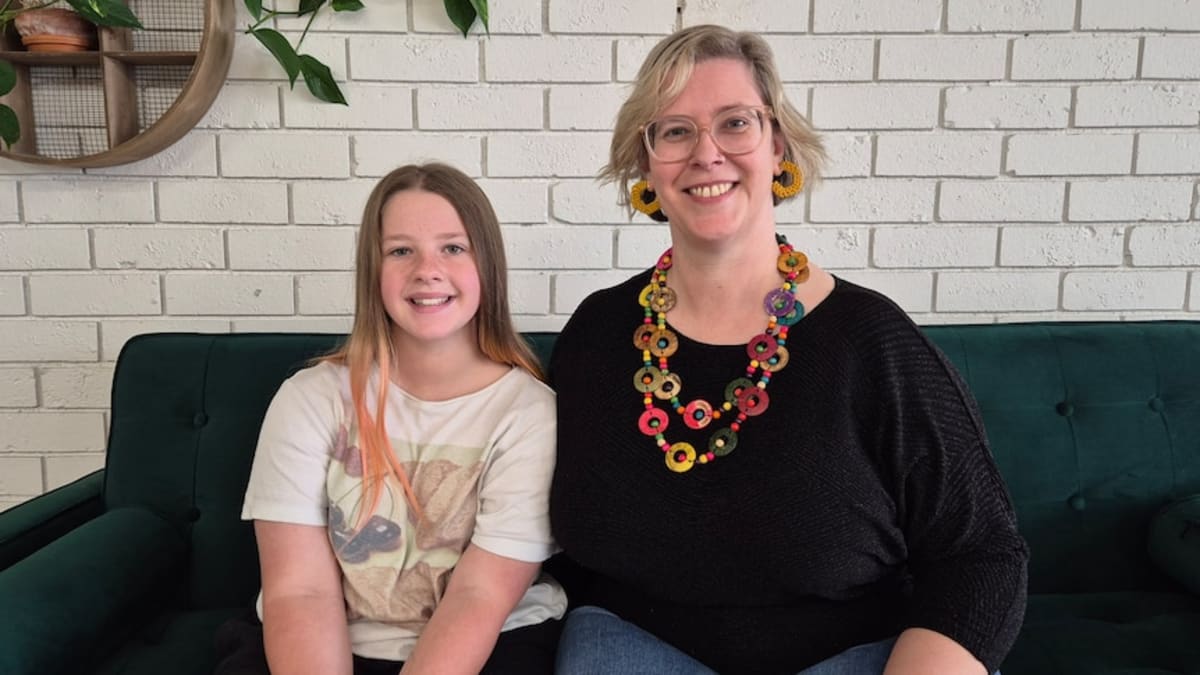
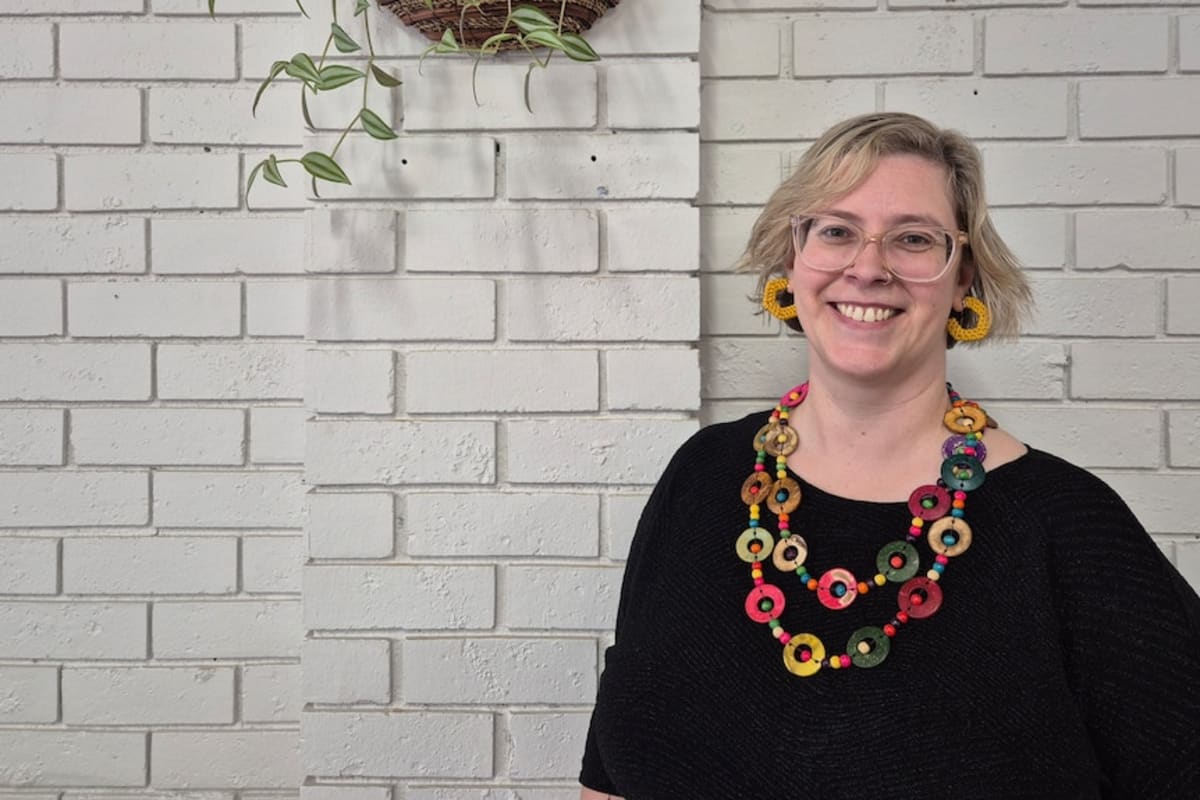
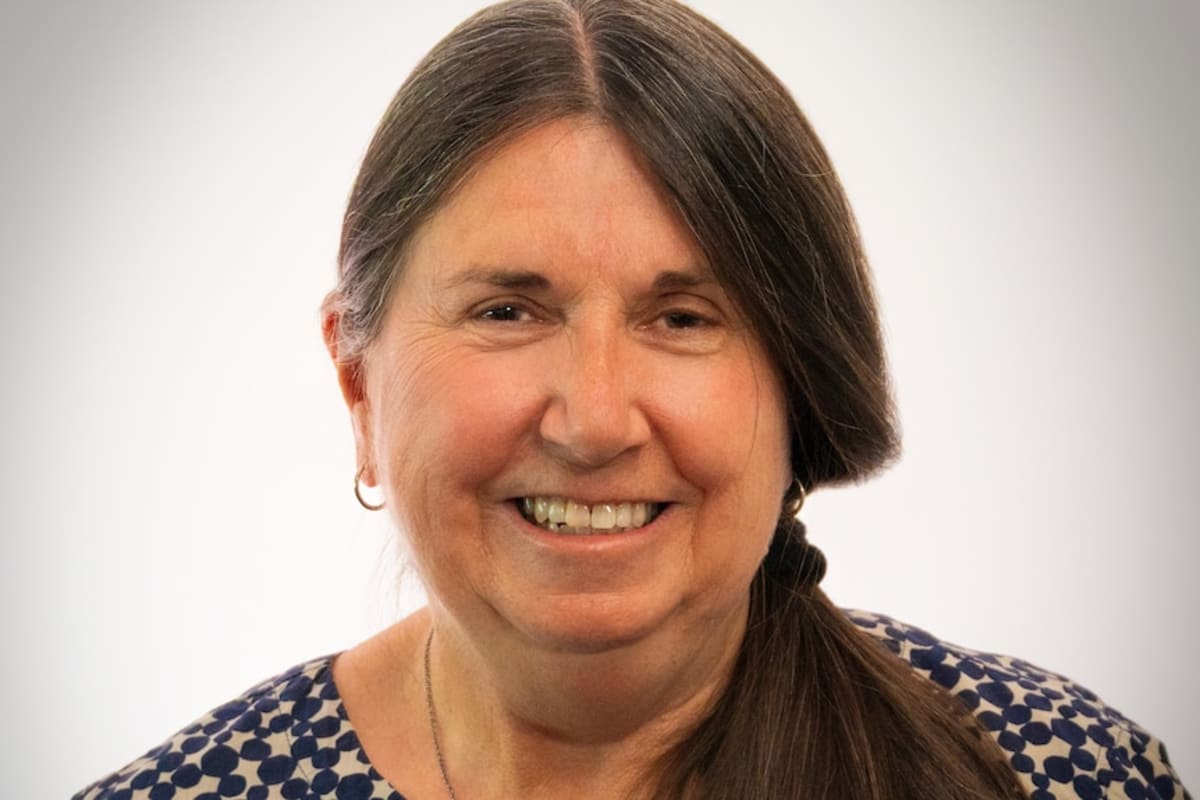
When Carmel Riley from Warragul, Australia, started her own consultancy in 2019, she didn't know she was autistic. She just knew that traditional workplaces had never felt right.
After years of not quite fitting in at various organizations, Riley founded what became CRSE Group, providing advisory services to social enterprises and nonprofits. Self-employment gave her the space to create environments where she could thrive, and she later realized why it worked so well for her neurodivergent brain.
Now, Australia's federal government is catching on. The country's first National Autism Strategy, released last year, includes a commitment to improving self-employment opportunities for autistic people. The focus came directly from community consultation, recognizing that many autistic entrepreneurs started businesses because traditional workplaces created too many barriers.
The numbers tell a stark story. According to the Australian Bureau of Statistics, 18.2% of autistic people of working age are unemployed, more than double the rate for people with disabilities generally and nearly six times the rate for people without disabilities. Victoria's autism advocacy organization Amaze reports that autistic workers face higher levels of discrimination, bullying, and are both less likely to be hired and more likely to lose jobs once hired.
Traditional workplace environments often create real problems for autistic people. Inflexible schedules, high noise levels, crowded spaces, and bright lights can lead to overstimulation, burnout, and ongoing health issues. Self-employment offers a way around these barriers.
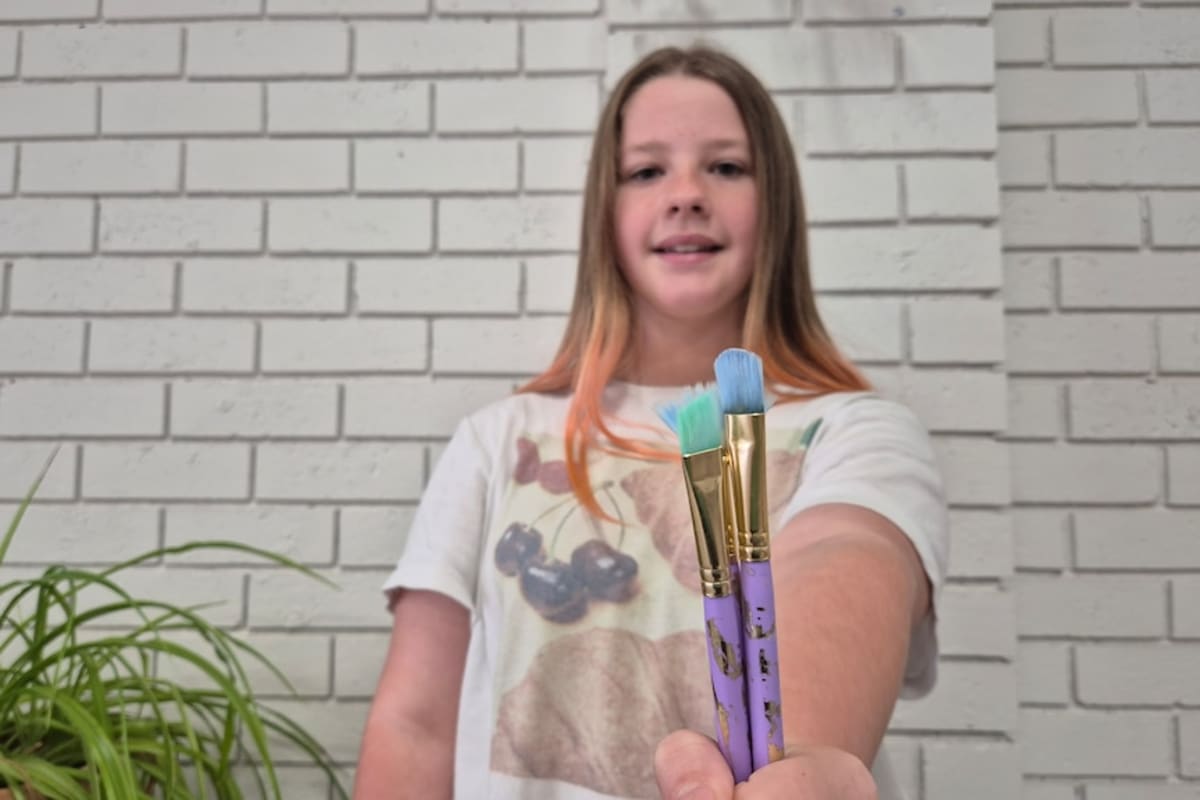
Riley's daughter Matilda discovered this firsthand. Two years ago, with her mother's encouragement, she started Made by Matilda: No One Owns Colours, selling colorful paintings and postcards. She controls her workspace, keeping it quiet and organized so she can work without interruption and focus on what she loves.
The Ripple Effect
Dr. Sharon Zivkovic, an autistic researcher and founder of the Centre for Autistic Social Entrepreneurship, believes autistic thinking naturally lends itself to innovation. She creates programs supporting autistic entrepreneurs and training mainstream business advisers to understand what she calls "autistic cognition."
Autistic people are bottom-up thinkers and natural systemizers, Zivkovic explains. They can see how different pieces come together to create something new, making them natural entrepreneurs. The key is helping business support services understand these strengths.
The federal government has already commissioned a review of autism-specific employment programs and opened grant opportunities earlier this year to develop new supports. For people like Riley and her daughter, these efforts validate what they've already discovered: when autistic people can design their own work environments, they don't just survive, they excel.
Australia's strategy represents a shift from trying to fit autistic people into traditional workplaces to supporting them in creating workplaces that fit them instead.
More Images
Based on reporting by ABC Australia
This story was written by BrightWire based on verified news reports.
Spread the positivity!
Share this good news with someone who needs it