Australia Building Solar Panel Factory With 40% Efficient Cells
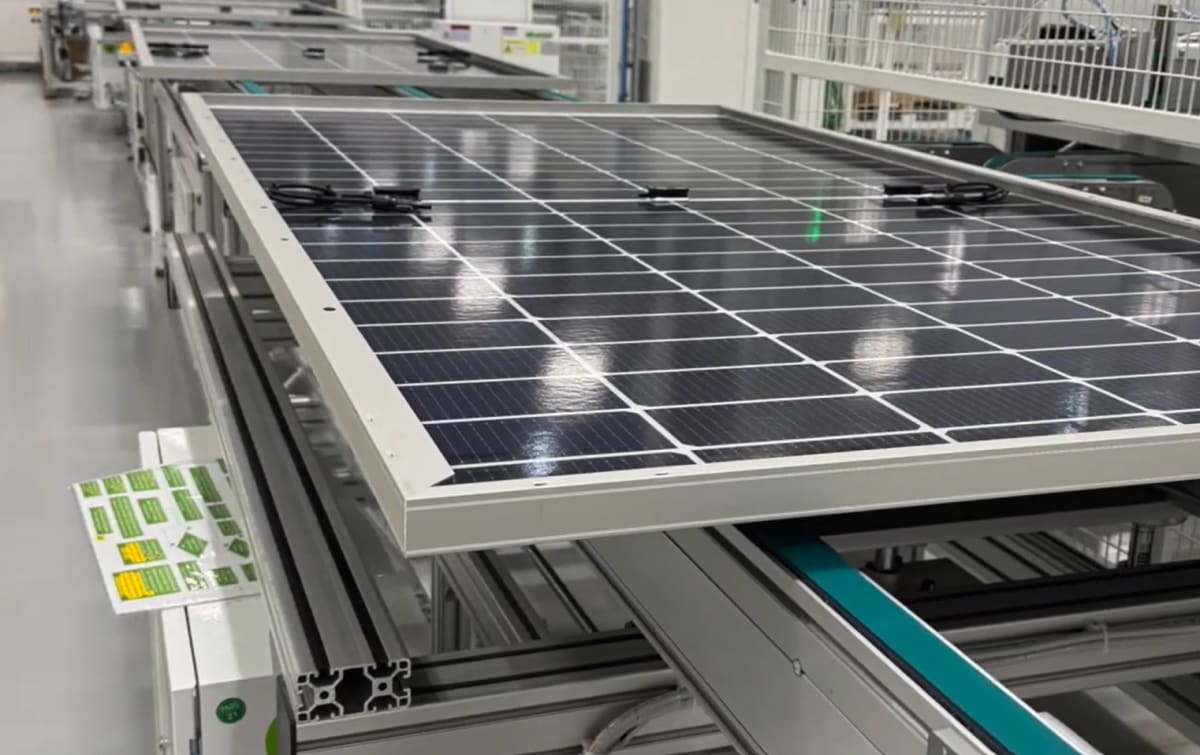
Australian researchers have cracked 30% efficiency in next-generation solar panels and are now taking the breakthrough technology to commercial production. A new Brisbane factory will manufacture panels that could eventually convert 40% of sunlight to electricity, nearly double today's best solar technology.
Solar panels are about to get a major upgrade, and Australia is leading the charge with technology that could transform how the world captures energy from the sun.
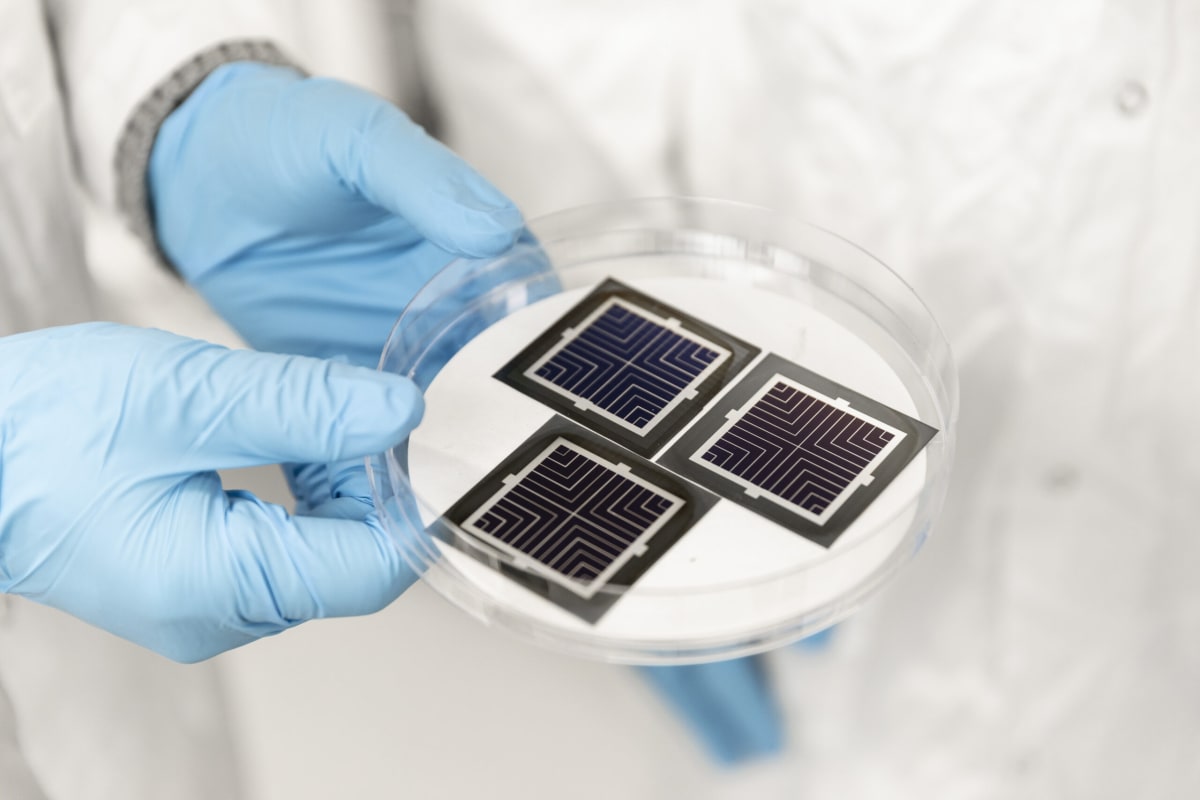
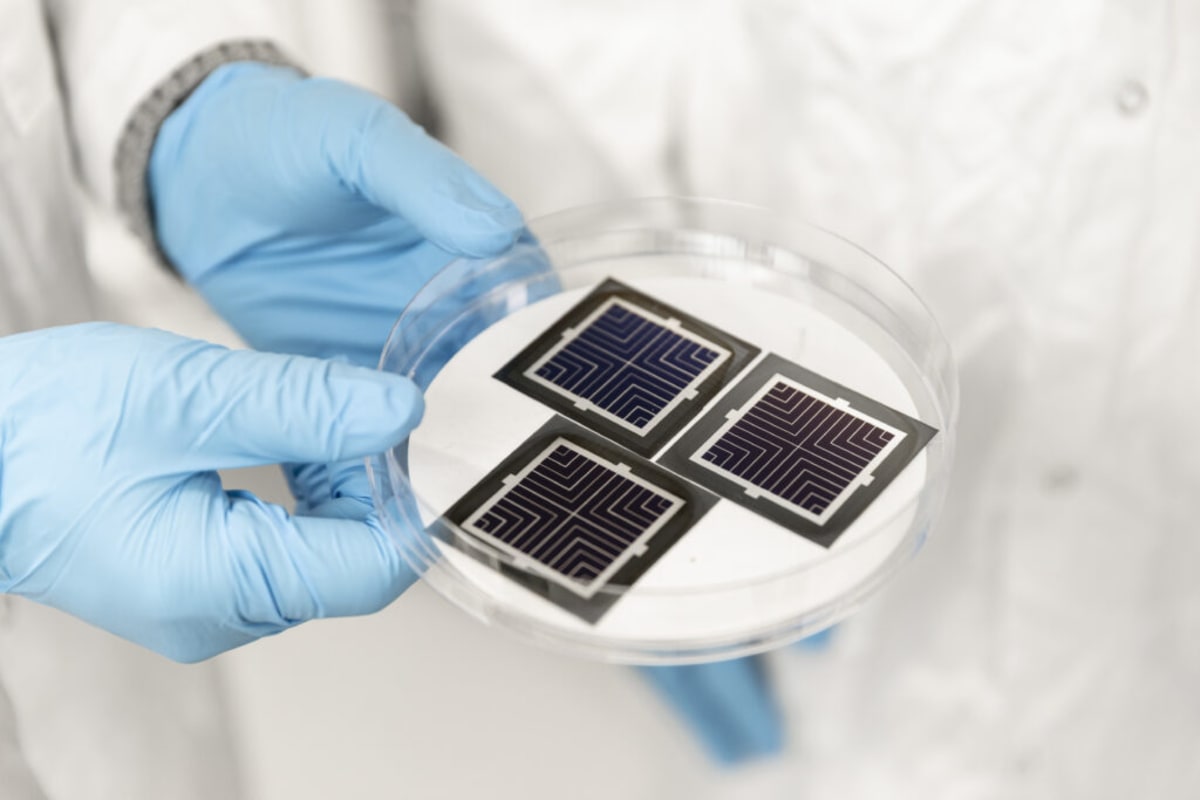
Researchers at the University of Sydney have achieved a breakthrough in solar cell efficiency by stacking a new material called perovskite on top of traditional silicon. Their panels have already hit 30% efficiency in the lab, smashing through barriers that have limited solar technology for decades.
Today's best silicon solar panels max out around 25% efficiency, converting just a quarter of sunlight into electricity. The theoretical ceiling for silicon alone is only 30%, meaning there's not much room left to improve. But by adding perovskite layers, researchers believe they can eventually reach 40% efficiency.
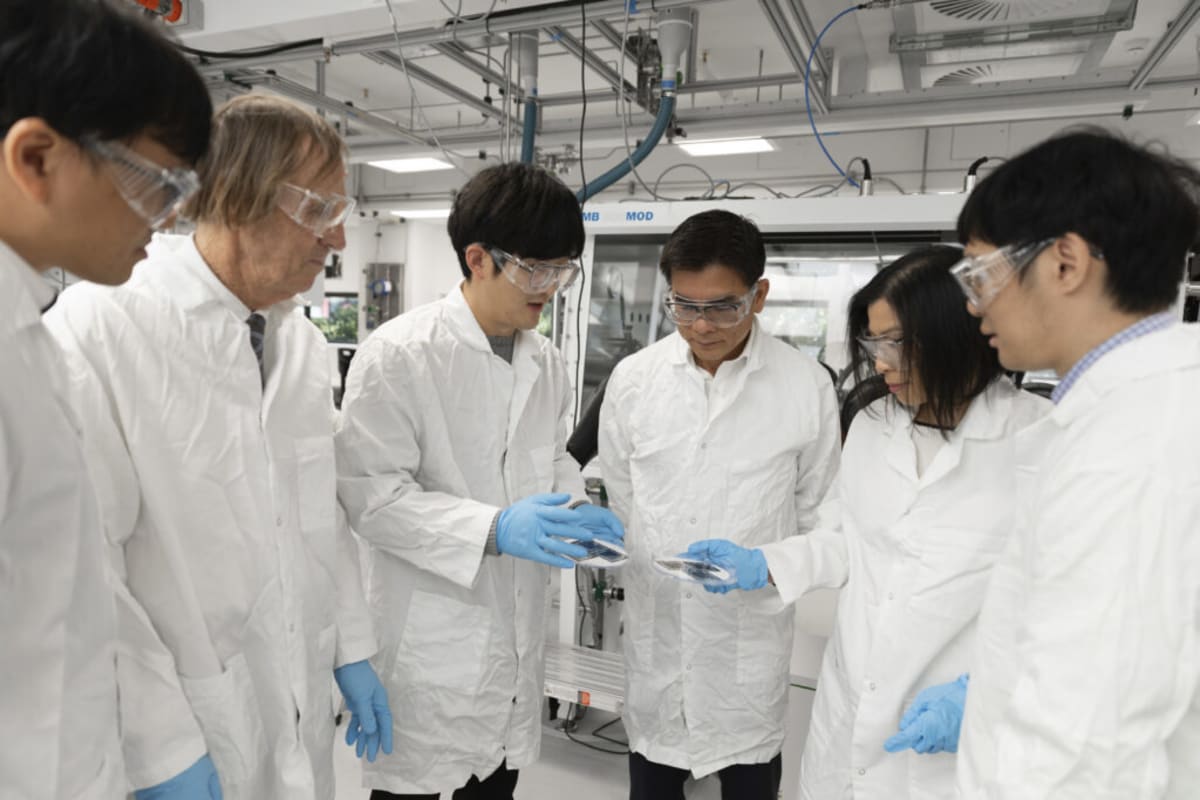
Professor Anita Ho-Baillie, who leads the research team, has spent six years perfecting the technology. Her team proved the panels can survive extreme temperatures and moisture, passing the same tough tests required for commercial solar products.
Now comes the exciting part. Brisbane-based startup Unison Solar Energy is building a 500-megawatt factory in the city's outer suburbs to manufacture these advanced panels. The company plans to scale up to gigawatt production, bringing cutting-edge solar manufacturing back to Australian soil.
The Australian Renewable Energy Agency is investing $5.2 million in the project, part of a $105.6 million funding round supporting solar innovation. The University of Sydney team, Unison Solar, and scientists from Singapore's Nanyang Technological University are partnering to take the technology from lab benches to assembly lines.
The main challenge has been durability. Perovskite materials can break down when exposed to light, heat, moisture, and mechanical stress in real-world conditions. The new funding will help researchers prove these cells can maintain their high efficiency throughout the 25-plus year lifespan expected of solar panels.
Unison Solar CEO Allen Guo, formerly of major solar manufacturer Jinko Solar, brings manufacturing expertise to translate laboratory success into affordable products. The company aims to deliver high-quality, Australian-made solar panels to families while creating local jobs in advanced manufacturing.
The Ripple Effect
This breakthrough arrives at a crucial moment for Australia's energy transition. The country has contributed to solar research for over 50 years but hasn't built manufacturing capacity to match its scientific leadership. This factory changes that equation.
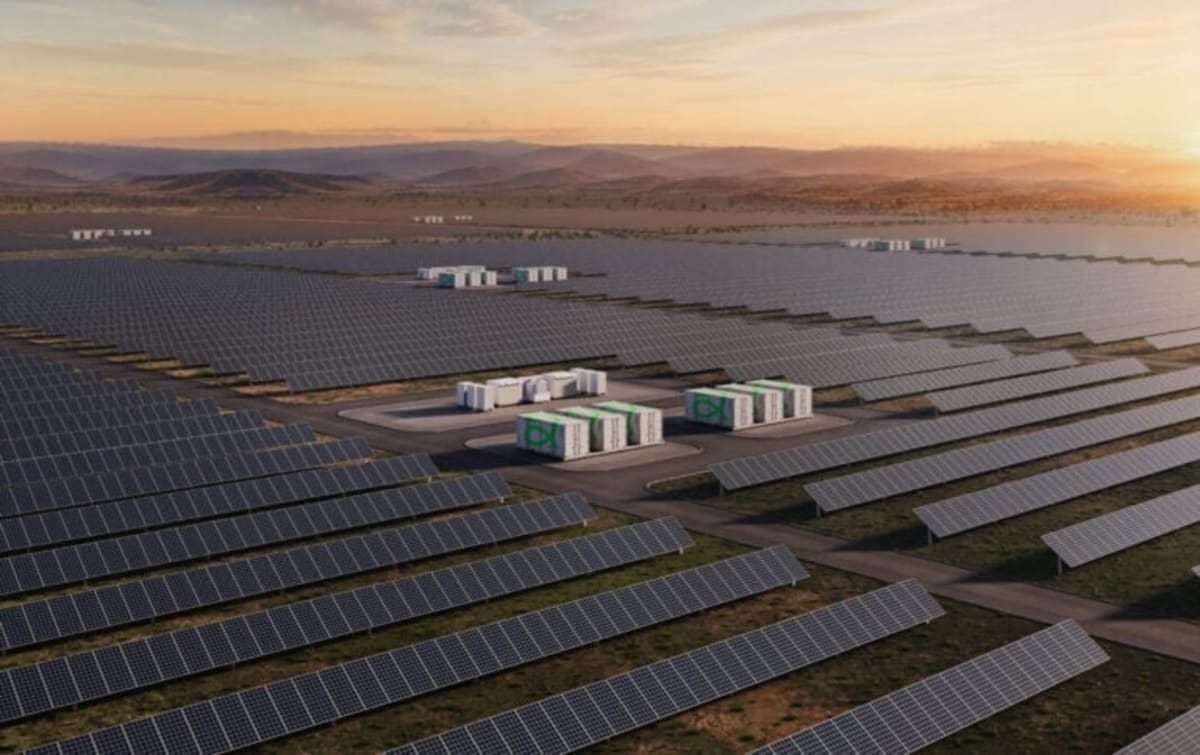
More efficient panels mean homeowners and businesses can generate more power from the same roof space. Solar farms can produce more electricity from less land. As production scales up and costs come down, clean energy becomes accessible to more people worldwide.
The project represents exactly what the clean energy transition needs: taking proven laboratory science and turning it into products people can actually buy and install. Australia gets manufacturing jobs, families get better solar panels, and the world gets a faster path to affordable renewable energy.
More Images


Based on reporting by PV Magazine
This story was written by BrightWire based on verified news reports.
Spread the positivity!
Share this good news with someone who needs it