Australia Builds World's Largest Off-Grid Renewable Network
An Australian mining giant just broke ground on a massive renewable energy project that will power its iron ore operations with over a million solar panels, 600 megawatts of wind, and massive battery storage. By 2028, Fortescue will run its entire Pilbara mining operation without a single drop of diesel.
One of the world's biggest iron ore producers just started building something no mining company has ever attempted: a completely renewable, off-grid power system stretching across hundreds of miles of Australian desert.
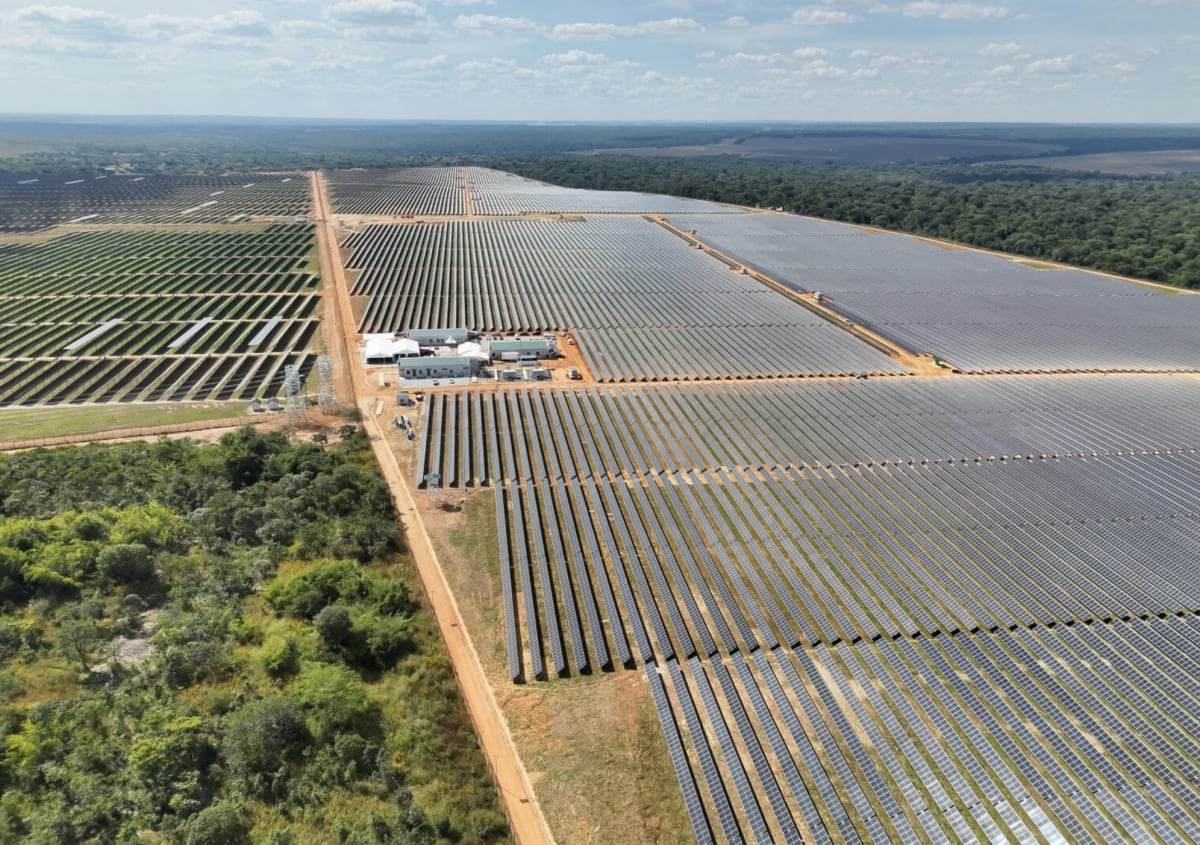
Fortescue broke ground this week on the final pieces of what it calls the Pilbara Green Grid. The Turner River solar farm will stretch across Western Australia with 690 megawatts of capacity from more than one million panels. A separate 74-megawatt battery system is going in at the company's Cloudbreak mine, made up of 124 individual units that can store 650 megawatt-hours of energy.
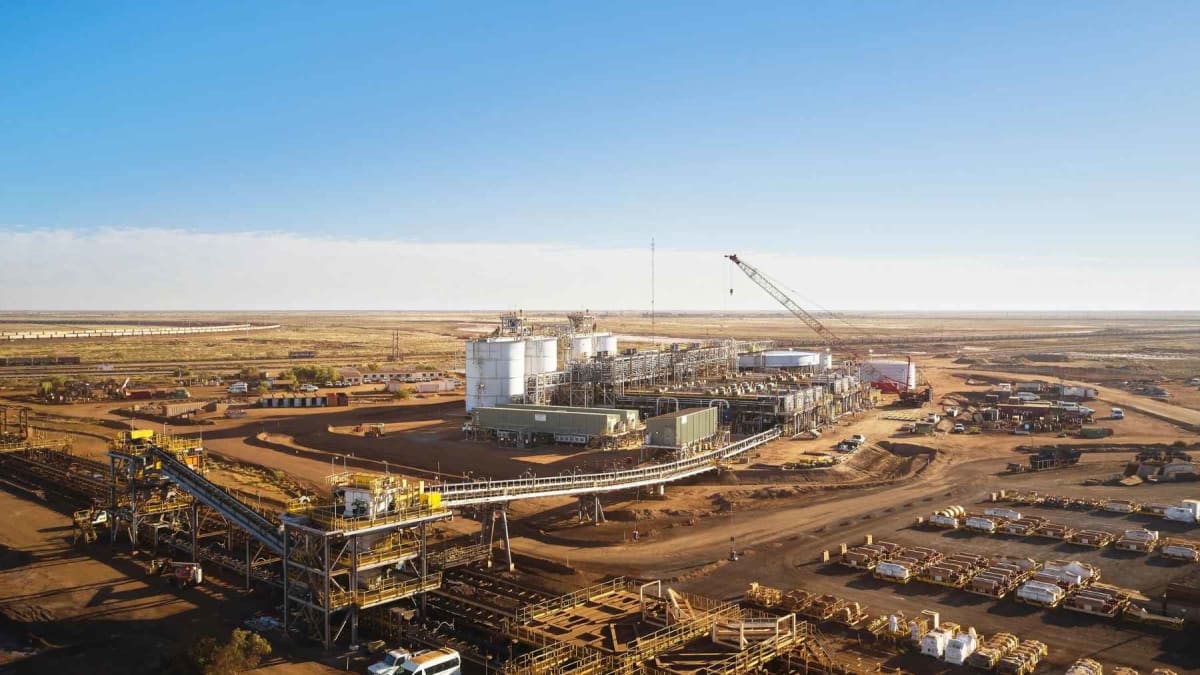
This isn't a pilot project or a PR stunt. Fortescue ships nearly 200 million metric tons of iron ore every year, making it the fourth-largest producer on Earth. All those trucks, trains, and port facilities currently run on diesel. By 2028, they won't need any.
The full system includes four massive solar farms totaling 1.4 gigawatts, wind farms generating another 600 megawatts, and up to five gigawatt-hours of battery storage. That's enough power to run a city of half a million people. Instead, it will haul iron ore out of the ground and ship it to steel mills in China.
Fortescue has already buried 480 kilometers of high-voltage transmission lines connecting its mines, rail lines, and port facilities. Another 140 kilometers will go in before the network is complete. The entire system will run as an island, never connecting to Australia's main power grid.
The math is remarkable. Fortescue is investing 2.5 billion dollars in renewable infrastructure. One of its executives calculated the company will save 818 million dollars per year in diesel costs starting in 2030. That means the whole system pays for itself in about three years.
The Ripple Effect
Heavy industry accounts for roughly a quarter of global carbon emissions. Mining companies, steel plants, and cement factories have long argued that renewable power couldn't handle their energy demands. Fortescue is proving them wrong at scale.
The company chose Chinese suppliers for all three main components. BYD is making the batteries, LONGi is providing the solar panels, and Envision Energy is building the wind turbines. These are the same companies leading the global renewable energy revolution, driving costs down year after year.
Other mining companies are watching closely. If Fortescue can eliminate diesel from its operations while saving hundreds of millions of dollars, the business case writes itself. What starts in the Australian outback could reshape how resource extraction works worldwide.
The iron ore leaving Fortescue's operations still becomes steel in Chinese factories. But getting it out of the ground, onto trains, and into ships will soon happen without burning fossil fuels. That's millions of tons of emissions that simply stop happening every year.
The first solar panels start generating power in 2027, with full operations by 2028.
More Images


Based on reporting by Google News - Clean Energy
This story was written by BrightWire based on verified news reports.
Spread the positivity!
Share this good news with someone who needs it