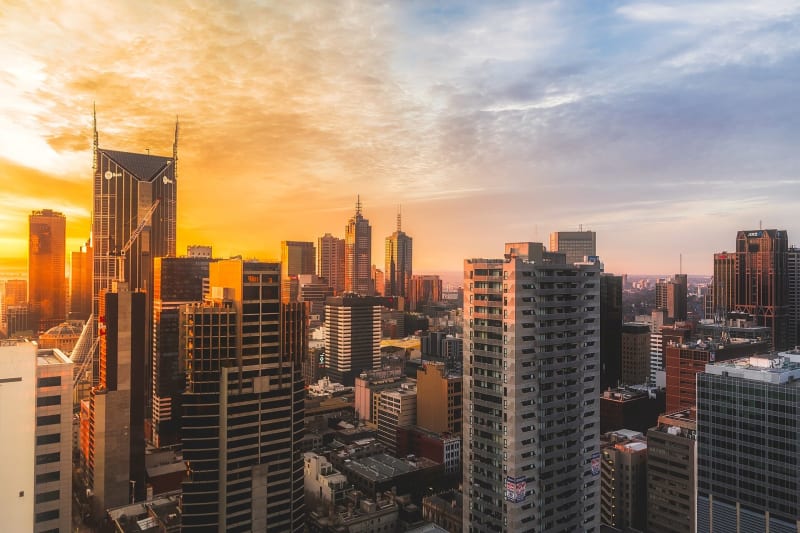
Australia Has the Tools to Cool Cities But Isn't Using Them
Australian cities are heating up dangerously, yet the country already has proven solutions to cool them down. Scientists say we're not lacking knowledge or technology—we're lacking action.
Australia knows exactly how to save its cities from extreme heat, but it's choosing not to act fast enough.
This week, parts of Victoria hit 48.9°C, with Melbourne soaring past 45°C. Towns across South Australia broke heat records too. These aren't freak events anymore. They're becoming the new normal, and Australian researchers say the tragedy is that the country already possesses every tool needed to prevent it.
Cities heat up faster than surrounding areas because of how they're built. Dark roads, limited shade, and buildings that trap heat create what scientists call the "urban heat island effect." During heat waves, this trapped heat builds day after day, pushing temperatures beyond what people can safely survive.
Here's what makes this especially frustrating. Australia leads the world in urban heat research. Australian scientists have developed national tools to measure and reduce urban heat. Studies from Melbourne and other cities have proven exactly which design changes work.
The solutions already exist. Reflective coatings, heat-resistant pavements, advanced shading systems, and strategic green spaces can all dramatically lower city temperatures. Yet most Australian cities remain dangerously hot because these solutions aren't being rolled out at scale.
Other countries are pulling ahead. Paris transformed public spaces and schoolyards into "cool islands" that provide relief during heat waves. Chinese cities like Shenzhen and Wuhan use their Sponge City program, combining green infrastructure with water-sensitive design to cool entire urban areas.
Meanwhile, Australian cities plant a few trees and call it progress. Trees absolutely help—they cool streets and improve health—but they can't solve the problem alone when buildings stay poorly insulated and roads keep absorbing heat.
The Bright Side
The good news? Australian cities don't need to invent anything new. The science is done. The technology exists. The international playbook is already written. What's needed now is the political will to implement solutions at the scale the crisis demands.
Cities that act now can deploy cool materials across roofs and roads, redesign public spaces for shade, and update building codes to prevent heat trapping. These changes will determine whether Australian cities remain livable or become places people can no longer safely call home.
Heat waves already kill over 1,100 Australians yearly, more than any other natural disaster. That number will climb unless cities commit to systematic change, not symbolic gestures.
The tools to build cooler, safer cities are sitting on the shelf, and lives depend on finally putting them to work.
More Images

Based on reporting by Phys.org - Earth
This story was written by BrightWire based on verified news reports.
Spread the positivity!
Share this good news with someone who needs it