Australia Invests in AI and Quantum Tech for Defense
Australia just unveiled a 10-year blueprint to revolutionize its defense capabilities using artificial intelligence, quantum computing, and autonomous systems. The strategy brings government, industry, and universities together to fast-track innovation that could reshape modern defense.
Australia is betting big on tomorrow's technology to strengthen its national security today.
Defense Minister Richard Marles released the country's 2026 Defense Innovation, Science and Technology Strategy this week, mapping out how Australia will harness cutting-edge tech over the next decade. The plan focuses on six game-changing areas: AI, quantum technology, autonomous systems, long-range weapons, high-energy lasers, and undersea warfare.
The timing reflects urgent lessons from conflicts worldwide. Nations that innovate faster and adopt new technologies more effectively gain decisive advantages on the battlefield, Marles explained.
Australia's approach stands out for its collaborative spirit. The strategy explicitly calls for government, private companies, and universities to work together on shared priorities, creating sandboxes where researchers can experiment with defense scenarios without massive upfront costs.
For AI applications, Australia plans to integrate artificial intelligence across all military domains to speed up decision-making and enhance operational effectiveness. The technology will help synthesize information at scale and protect against cyber warfare and misinformation campaigns.
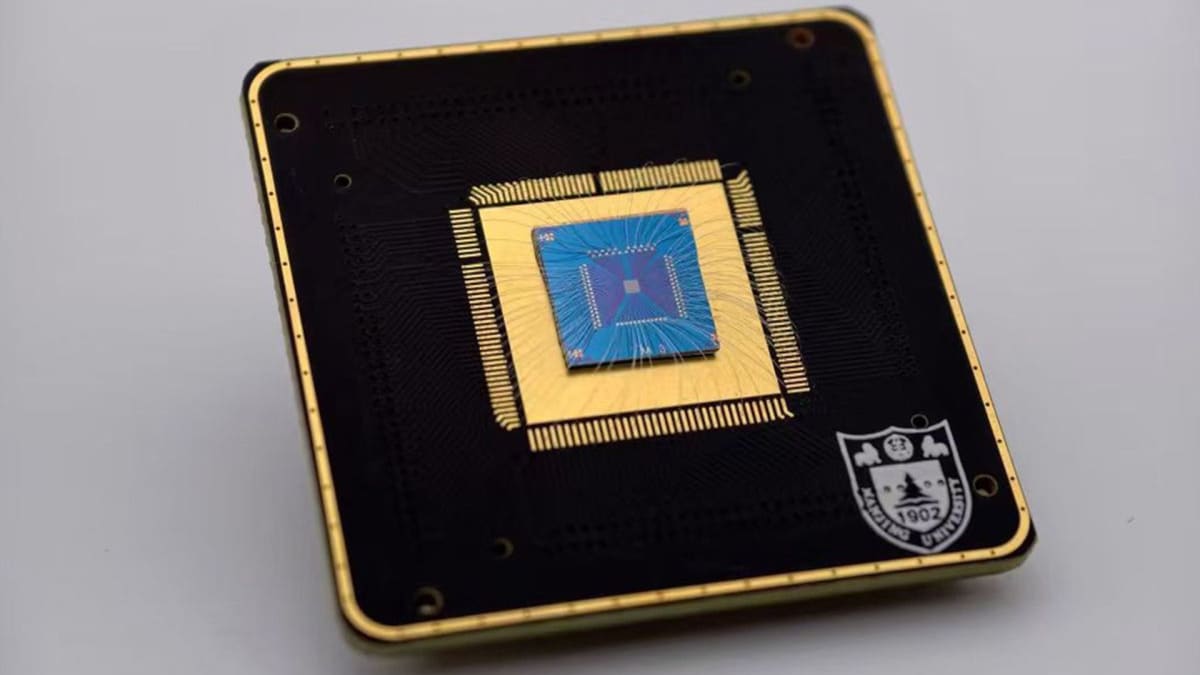
Quantum technology will tackle a specific challenge: providing reliable timing services in locations where GPS signals fail or face interference. This capability could prove critical in contested environments where adversaries try to deny access to space-based services.
Autonomous systems represent another frontier. Australia envisions a future where humans and autonomous devices work side by side, each contributing complementary strengths for better outcomes on the ground.
Chief of the Defence Force Admiral Mark Hammond called the strategy a blueprint for giving military personnel the capabilities they need. The plan embraces rapid experimentation, encouraging teams to fail fast, learn faster, and adapt quickly.
The Ripple Effect
Beyond military applications, this innovation push promises broader benefits for Australian society. The strategy includes internships, career pathways, and placements designed to grow the country's STEM talent pool.
Universities and private companies will gain low-cost opportunities to experiment with emerging technologies in realistic scenarios. This investment in research infrastructure and human capital could spark breakthroughs that extend far beyond defense applications into healthcare, communications, and environmental monitoring.
Chief Defence Scientist Professor Tanya Monro emphasized the strategy enables deeper co-design between sectors while strengthening research security across the innovation ecosystem. When government, industry, and academia align around shared challenges, everyone benefits from faster progress and smarter solutions.
Australia's commitment to developing sovereign capabilities also means building resilient local supply chains and reducing dependence on fragile global networks.
A nation preparing for tomorrow's challenges is also creating tomorrow's opportunities for its brightest minds.
Based on reporting by Regional: australia innovation technology (AU)
This story was written by BrightWire based on verified news reports.
Spread the positivity!
Share this good news with someone who needs it