Australia Saves 1,300 Films From Papua New Guinea Floods
Papua New Guinea's entire film archive was melting away in tropical heat and floods. Now, an Australian partnership has rescued these cultural treasures and trained locals to protect them for future generations.
Imagine watching your nation's entire film history slowly dissolve because your storage room keeps flooding. That was the nightmare facing Zoe Baru, Papua New Guinea's only film archivist, until help arrived from an unexpected neighbor.
The National Film Institute in Goroka houses over 1,300 film reels and tapes documenting Papua New Guinea's rich cultural heritage. But humid conditions, unreliable power, and regular flooding were destroying them. "When I first started, the vinegar syndrome was just pungent," Baru said, describing the telltale smell of disintegrating film.
Australia's National Film and Sound Archive stepped in with a $200,000 grant to rescue the collection. The most culturally significant films were carefully packed and shipped to Canberra, where specialists cleaned, assessed, and digitized them.
The project went beyond just saving old movies. Australian archivists trained PNG staff in proper preservation techniques and built a special system called RODA (Remote Onsite Digital Access) that lets the institute access digitized films right in Goroka, even when power fails.
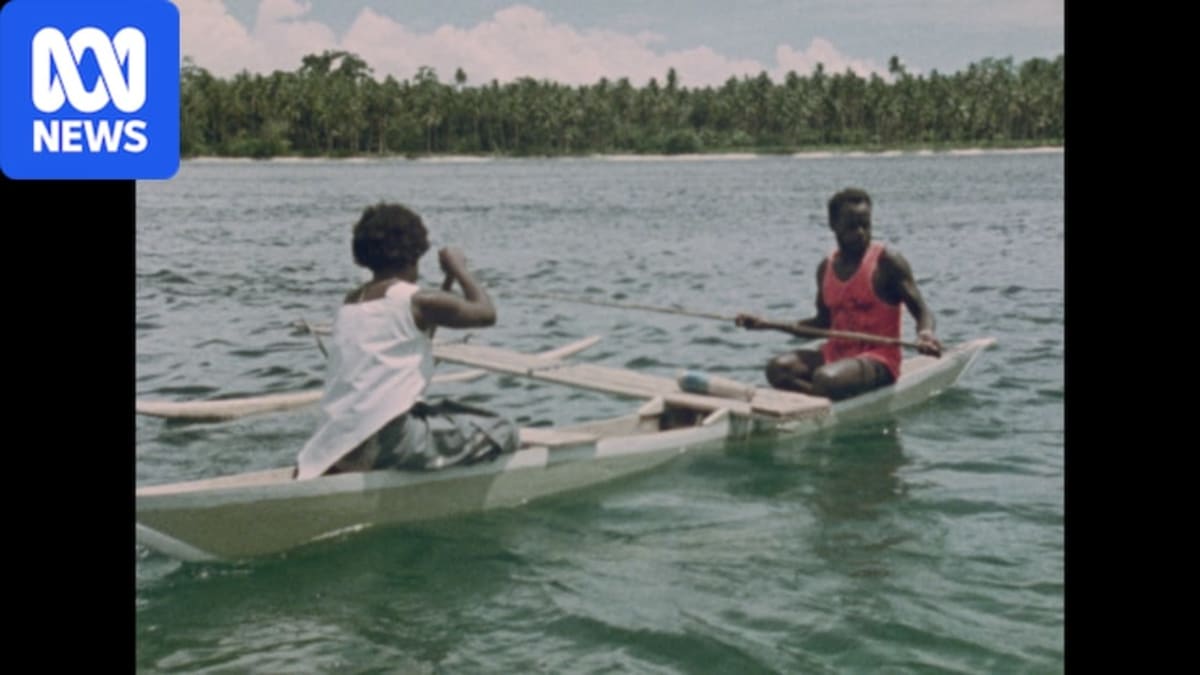
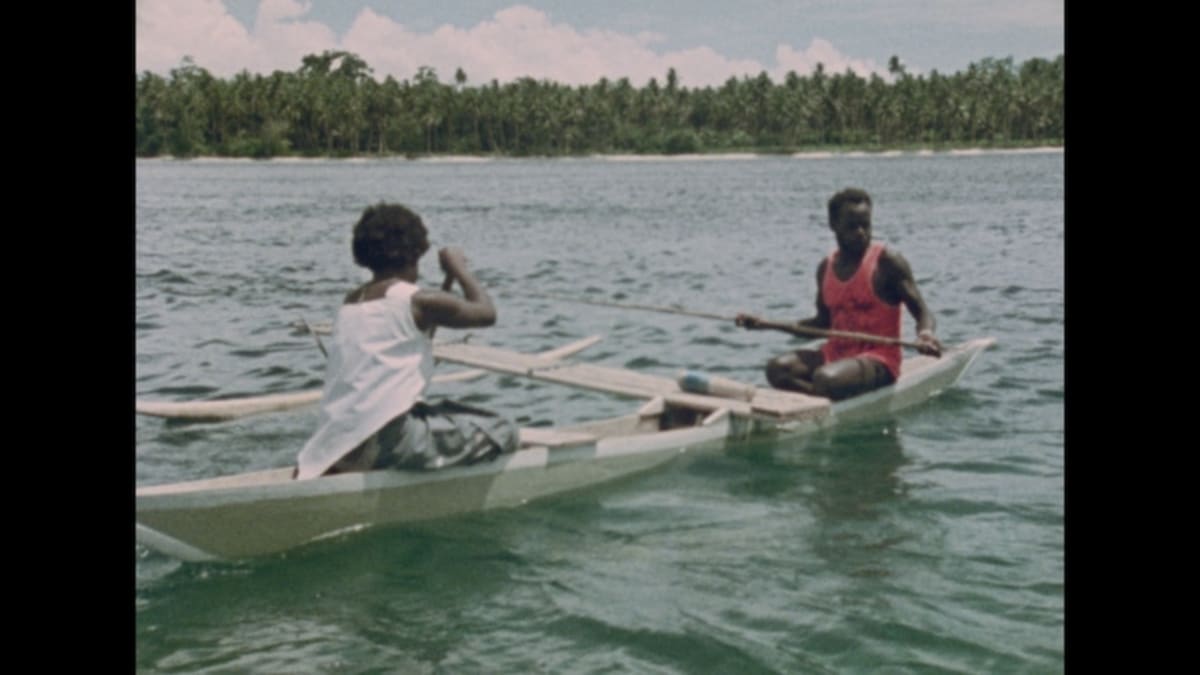
Among the rescued treasures is Tukana-Husat I Asua, a 1982 film about a university dropout torn between modern life and village traditions. It's considered Papua New Guinea's defining cultural work, telling the story of a nation finding its identity after independence.
For Baru, the transformation has been profound. "I only thought archiving meant to just keep them stored in a cool condition and leave them there," she said. Now she understands the ongoing work needed to preserve cultural memory.
The Ripple Effect
The partnership shows how climate change threatens more than coastlines and crops. It's erasing cultural heritage in Pacific nations that lack resources for climate-controlled storage. What started as urgent rescue work has become a model for similar projects across island nations facing the same crisis.
Young Papua New Guineans are now discovering their history through these saved films. "They're learning through watching and hearing their stories from the past," Baru explained. The earliest footage of PNG dates to the early 1900s, but the 1970s marked when locals finally held the cameras themselves, telling their own stories.
Australian officials say cultural partnerships can be as powerful as economic ones for building lasting relationships between nations. Small interventions like this $200,000 grant create enormous cultural impact, preserving irreplaceable national memories for generations who would otherwise never see them.
Baru knows challenges remain, including funding security and hundreds more reels waiting for digitization, but she's no longer racing alone against time.
More Images


Based on reporting by ABC Australia
This story was written by BrightWire based on verified news reports.
Spread the positivity!
Share this good news with someone who needs it