Australia Saves the Numbat from Endangered Species List
After decades of dedicated conservation work, Australia's rare numbat marsupial has been removed from the international endangered species list. The success story offers hope in a country losing four species to extinction every decade.
A rare Australian marsupial just made conservation history, proving that even in the world's extinction hotspot, species can bounce back from the brink.
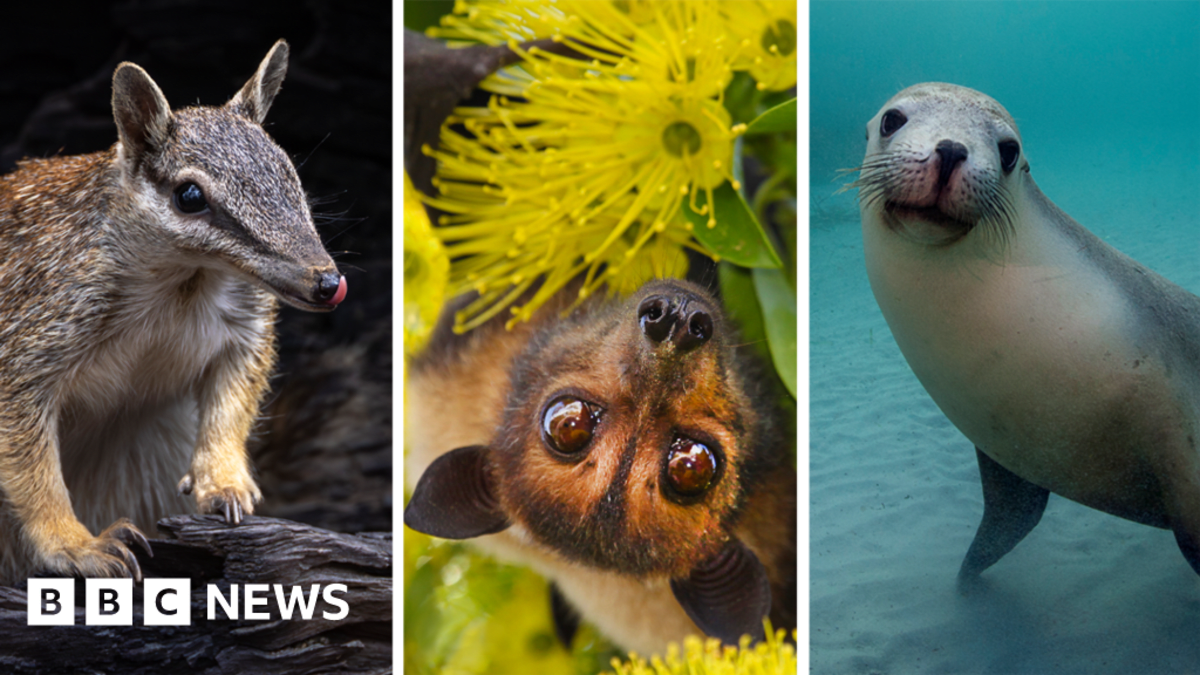
The numbat, a striped marsupial that looks like a cross between a chipmunk and an anteater, has been scratched off the international red list of threatened species. It's the first time in years that Australia has moved a species from endangered to recovered, rather than the heartbreaking opposite.
Dr. Tony Friend found fewer than 50 numbats in Western Australia's Dryandra Woodland back in the 1980s. Four decades later, thanks to relentless conservation work, the population has rebounded enough to change its status from endangered to simply vulnerable.
The recovery didn't happen by accident. Every spring for the past two weeks, teams of volunteers and researchers drive daily circuits through the woodland, counting every numbat they spot. They log GPS coordinates, measure distances, and track population health with painstaking precision.
The Bright Side
The numbat's comeback demonstrates what's possible when communities refuse to give up on threatened species. Perth Zoo's breeding program sends genetically diverse numbats back to the wild, while volunteer groups like the Numbat Taskforce donate countless hours to monitoring efforts.
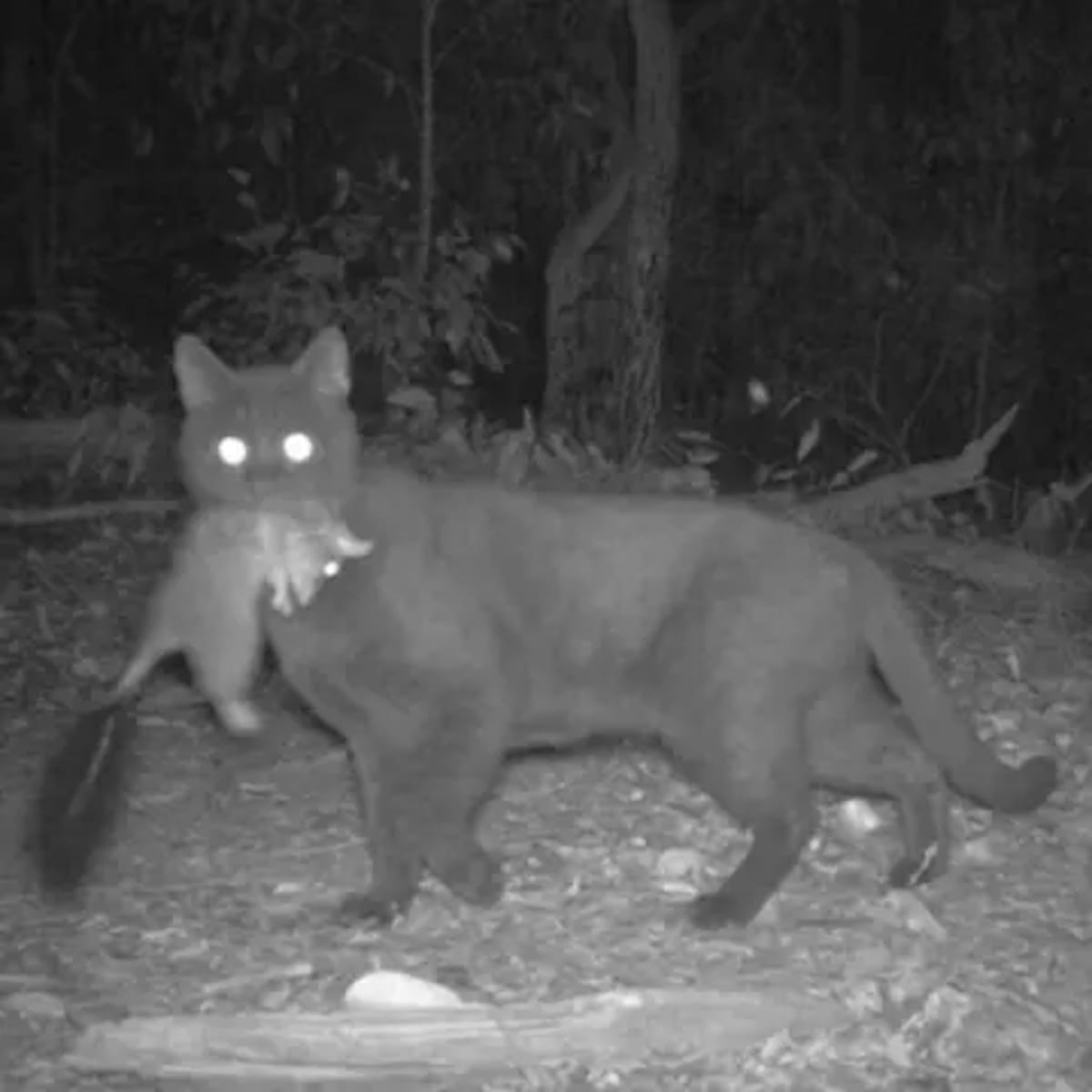
Poison sprayers detect and eliminate feral cats and foxes, two of the invasive predators that nearly wiped out numbats entirely. Protected woodland areas give the small marsupials safe habitat away from cleared farmland. Every intervention required funding, persistence, and belief that recovery was possible.
Australia faces staggering biodiversity challenges: feral cats alone kill an estimated three billion animals each year. The devastating 2019-20 Black Summer bushfires killed another three billion creatures. Climate change, habitat destruction, disease, and invasive species continue driving native animals toward extinction.
Yet the numbat proves that targeted, sustained conservation can reverse even dire situations. Young numbats now venture from their burrows each spring in numbers unimaginable four decades ago. Breeding programs successfully introduce new genetic diversity. Volunteers spot the camouflaged creatures darting between logs and wildflowers with increasing frequency.
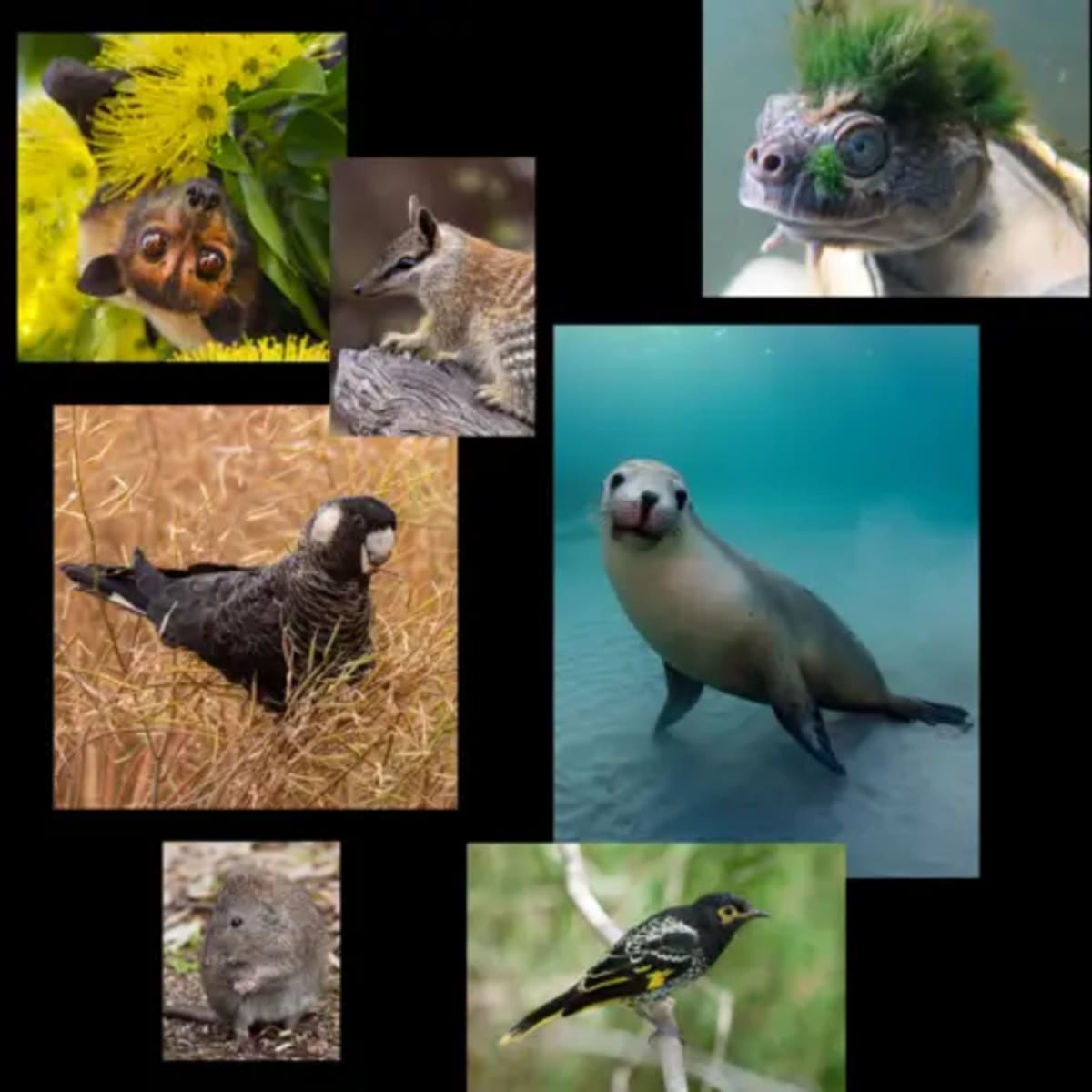
The Carnaby's cockatoo, Gilbert's potoroo, and Australian sea lion still hover near extinction in the same region. But they now have a roadmap: dedicated teams, community support, predator control, habitat protection, and breeding programs that actually work.
The numbat's journey from fewer than 50 individuals to recovered status didn't require magic, just determination and the refusal to let another species disappear forever.
More Images


Based on reporting by Google: species saved endangered
This story was written by BrightWire based on verified news reports.
Spread the positivity!
Share this good news with someone who needs it