Australia Tackles Feral Camel Crisis in Remote Communities
Central Australia's remote Indigenous communities faced an unusual water emergency when hundreds of thirsty camels destroyed infrastructure during a drought. A new joint task force is now managing the situation and protecting vulnerable desert habitats.
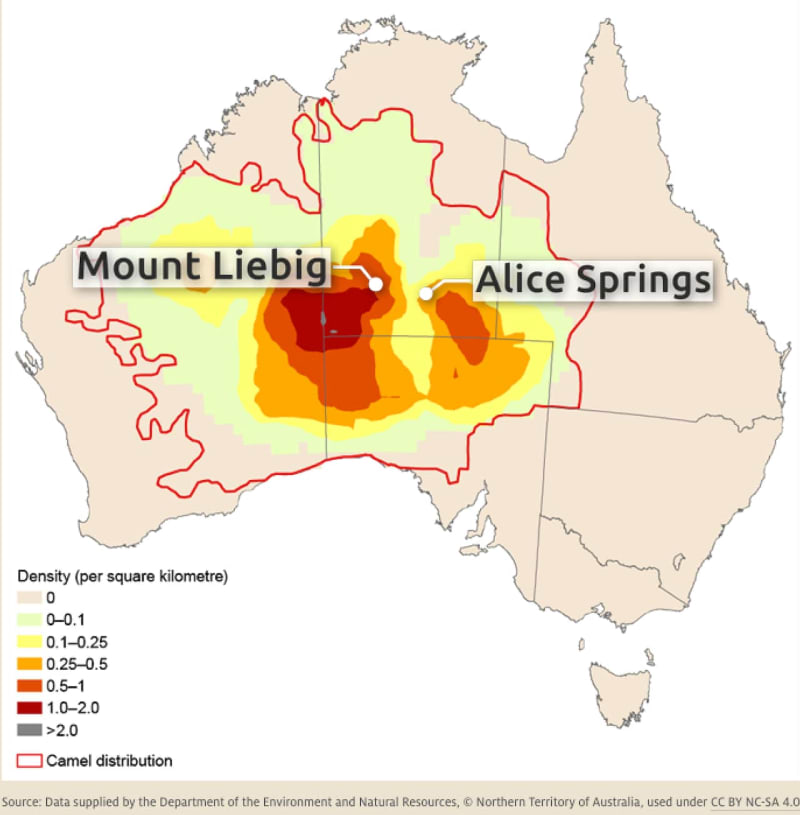
When temperatures soared above 40°C in central Australia last week, 80 desperate camels surrounded a leaking pipe in Mount Liebig, crushing fences and demolishing walls just to reach a few drops of water.
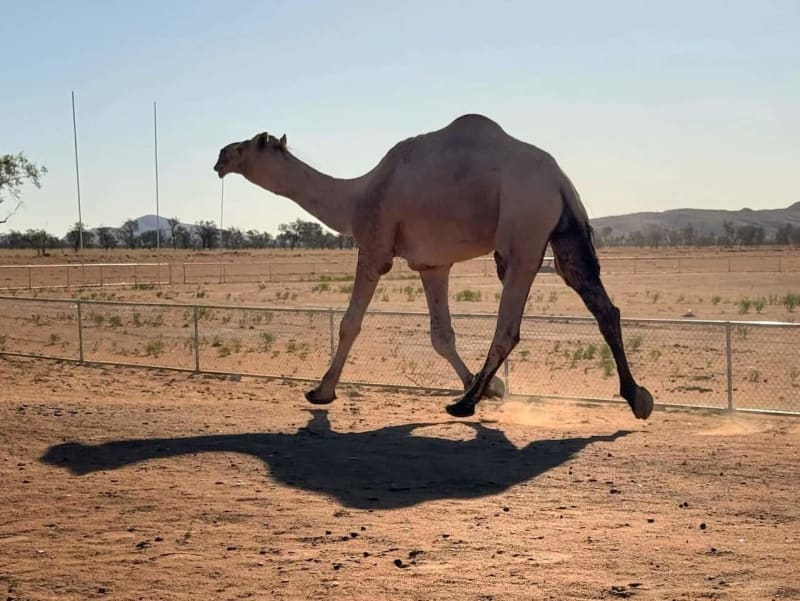
The scene has become familiar in remote Indigenous communities across Australia's center. During dry spells, massive herds of feral camels—some stretching 5 kilometers long with up to 1,000 animals—descend on towns searching for water. They tear through security fences, break underground water mains, and leave families without water for weeks.
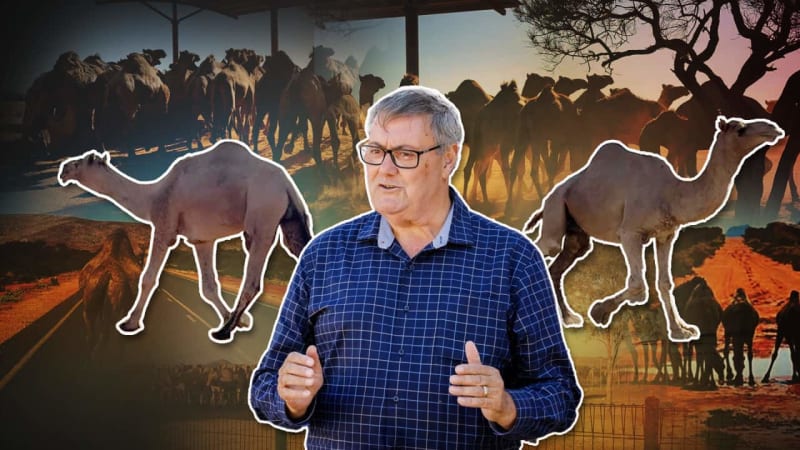
Damien Ryan, an area manager for MacDonnell Regional Council, has witnessed the destruction firsthand. "They're some of the biggest camels I've ever seen," he said, describing Arabian camels weighing up to 650 kilograms. A dozen homes in Mount Liebig lost their water supply completely when the animals damaged the infrastructure.
The crisis prompted emergency action. A new joint task force between the Northern Territory government, MacDonnell Regional Council, and the Central Land Council formed to address the problem. The team conducted a three-day aerial cull this week, removing around 600 camels from areas near communities while protecting residents and threatened native species.
The camel story goes back to 1840, when the animals were first introduced to help explore Australia's vast interior. By 2008, their population had exploded to one million. A federal management project between 2008 and 2013 removed 160,000 camels and helped launch a commercial camel industry, bringing the population down to around 300,000.
The Bright Side
The new task force represents genuine collaboration between government and Indigenous land councils to solve a complex problem. Mischa Cartwright from the Central Land Council emphasized that communities are comfortable with the management approach because it protects both people and the unique desert ecosystem. "It is about protecting certain species in our country and the safety of our communities," she said.
The solution is already working. When recent storms brought rain to the region, the remaining camels dispersed naturally into the outback. Ryan watched them "disappear like fairy floss" overnight once water became available in their natural habitat.
Looking ahead, officials are discussing humane long-term solutions, including creating distant water points far from communities where camels can drink safely during droughts. The federal government has invested $4.9 million in habitat improvement projects that include feral camel control, supporting threatened species recovery across the MacDonnell Ranges.
Communities across central Australia can now turn their taps on without worry, knowing a thoughtful management system is in place.
More Images


Based on reporting by SBS Australia
This story was written by BrightWire based on verified news reports.
Spread the positivity!
Share this good news with someone who needs it