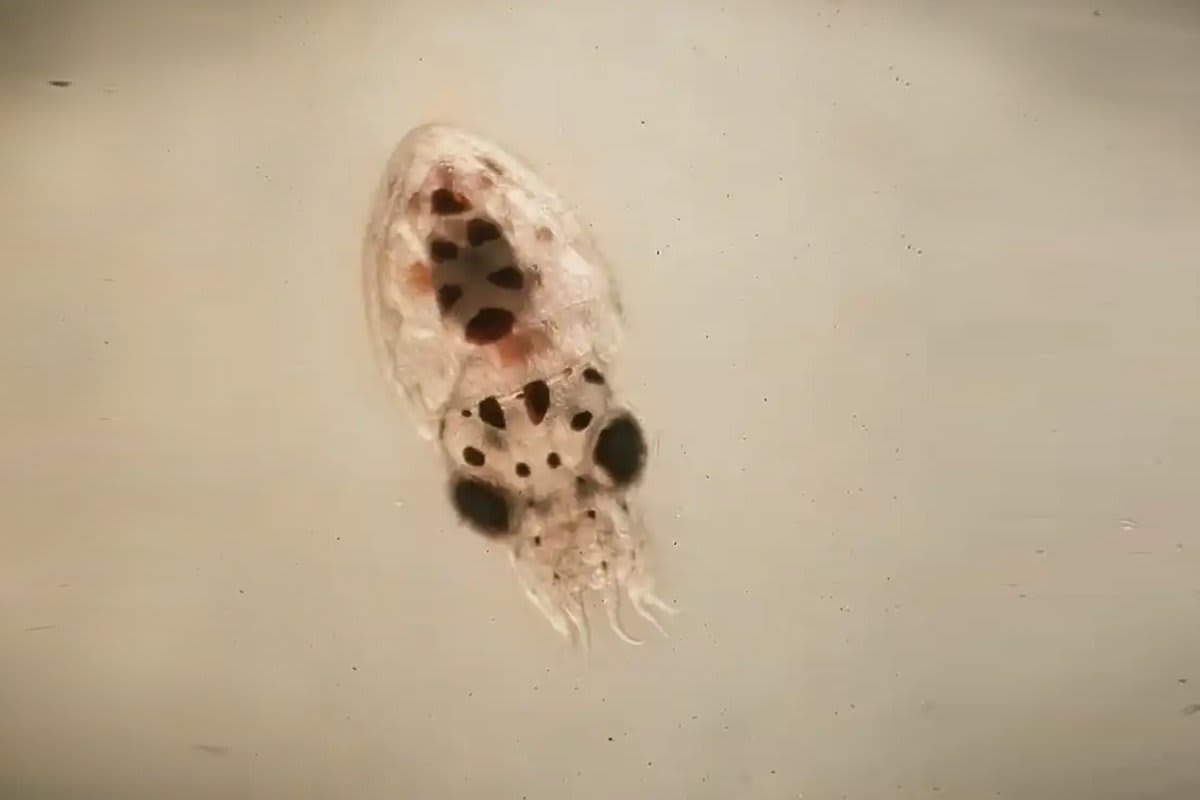
Italy Unleashes 130,000 Baby Octopuses to Fight Invaders
Italian scientists are releasing thousands of lab-born octopuses into the Adriatic Sea to combat an invasive blue crab population threatening local fisheries and ecosystems. When fully grown, each octopus could devour up to four blue crabs daily.
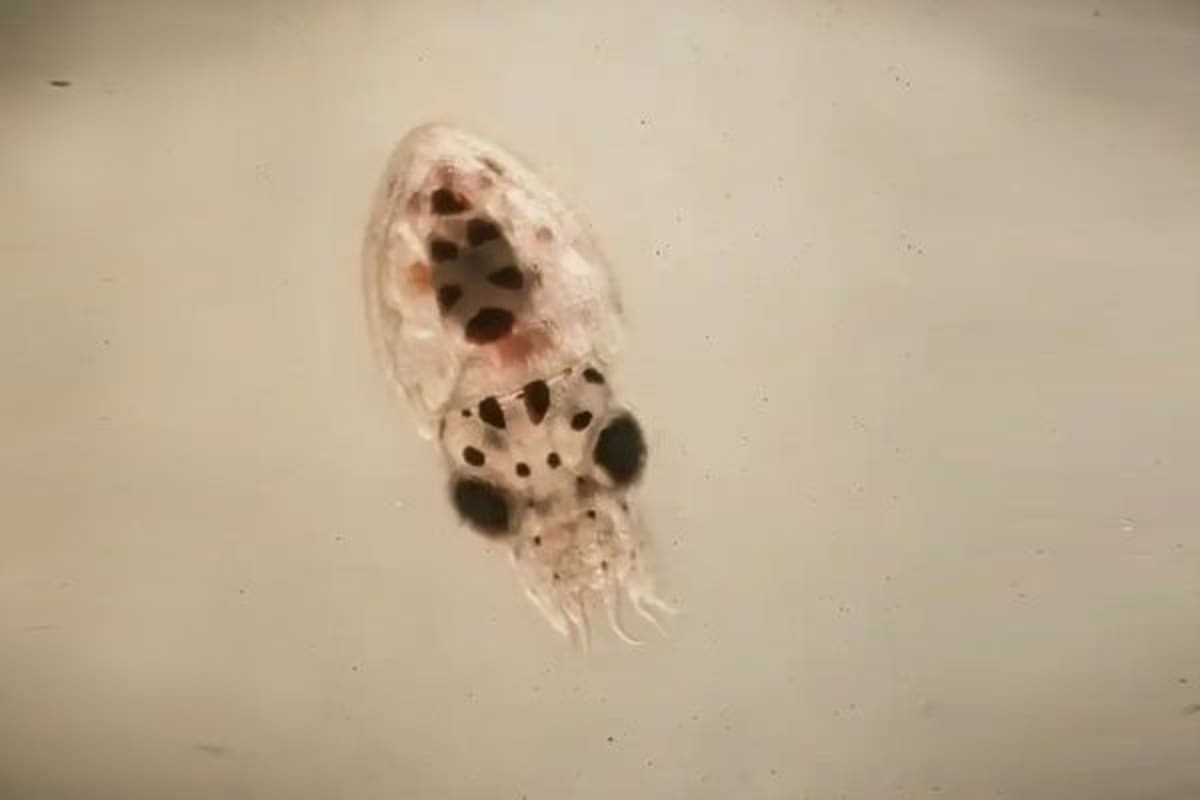
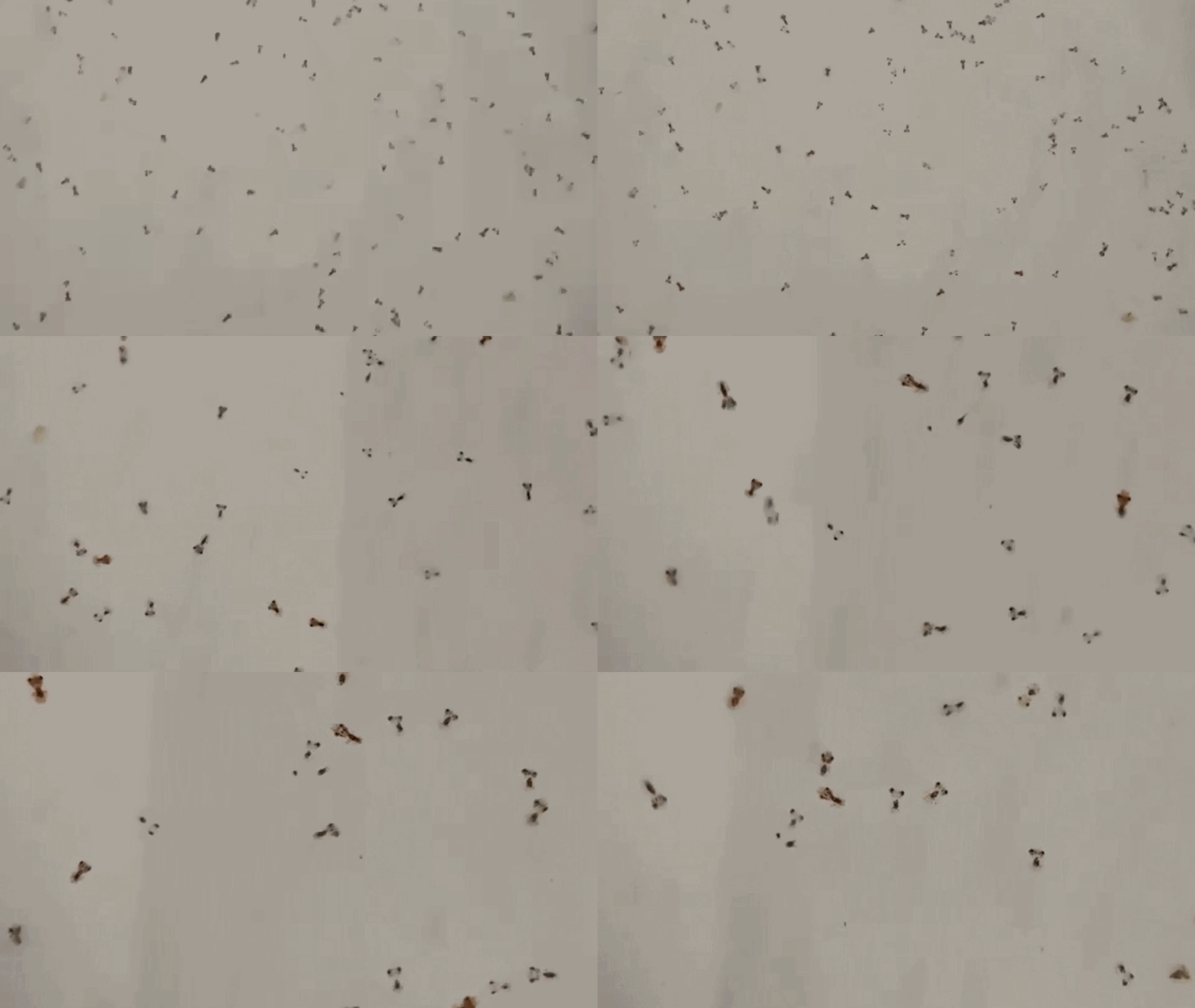
Italian scientists just deployed a tiny but mighty army to save their struggling coastline: 130,000 baby octopuses, each just a few millimeters long but destined to become fierce predators.
The Mediterranean Sea has a blue crab problem. These invasive crustaceans, prized seafood in the U.S. mid-Atlantic, have wreaked havoc on Italy's waters for the past decade. Their population exploded so rapidly that hundreds of Italian fisheries closed their doors, unable to compete with the aggressive invaders that threatened both local species and livelihoods.
Enter the common octopus. Researchers at the University of Bologna, working with regional authorities, launched Project Octo-Blu to fight back with nature's own solution. They spent years in the lab learning how to raise these baby octopuses, called paralarvae, before releasing them this summer into the waters off Cesenatico and Riccione.
The math is promising. A single adult octopus weighing about two pounds can eat four medium-sized blue crabs every single day. Multiply that by thousands of surviving octopuses, and you've got a sustainable, homegrown solution to an ecological crisis.
Antonio Casalini, the aquaculture technician leading the project, stresses they're not introducing anything foreign. They're simply boosting a native population that already calls the Adriatic home. The team even installed artificial dens to give their eight-limbed recruits extra shelter as they settle in.
The odds aren't perfect. Marine ecologist Gianluca Sarà notes that 99.9 percent of octopus paralarvae typically don't survive to adulthood. But the researchers chose this species specifically because it's hardy, reproduces quickly, and females can lay hundreds of thousands of eggs. They plan to keep releasing more paralarvae as they breed them.
Why This Inspires
This project shows how creative thinking can solve environmental problems without harsh chemicals or expensive technology. Instead of fighting nature, scientists are working with it, strengthening existing ecosystems to heal themselves. The Italian government funded this effort after watching their coastal communities suffer, choosing innovation over surrender.
It's also a reminder that solutions take time. Nobody expects the octopuses to eliminate blue crabs entirely. Instead, they'll work alongside fishing initiatives and other management strategies to gradually restore balance to waters that have been out of sync for years.
Best of all, this approach could work elsewhere. As invasive species threaten ecosystems worldwide, using native predators to control them offers hope that we can repair damage we've done.
The baby octopuses swimming in the Adriatic today might be tiny, but they carry something bigger: proof that with patience and science, we can help nature bounce back.
More Images


Based on reporting by Scientific American
This story was written by BrightWire based on verified news reports.
Spread the positivity!
Share this good news with someone who needs it