Hawaii Turns Invasive Deer Into Sustainable Food Source
A company in Hawaii is solving an environmental crisis by harvesting 60,000 invasive axis deer that destroy native plants and turning them into high-quality, affordable local meat. What started as a beautiful royal gift in 1868 has become a win for ecosystems, farmers, and dinner tables.
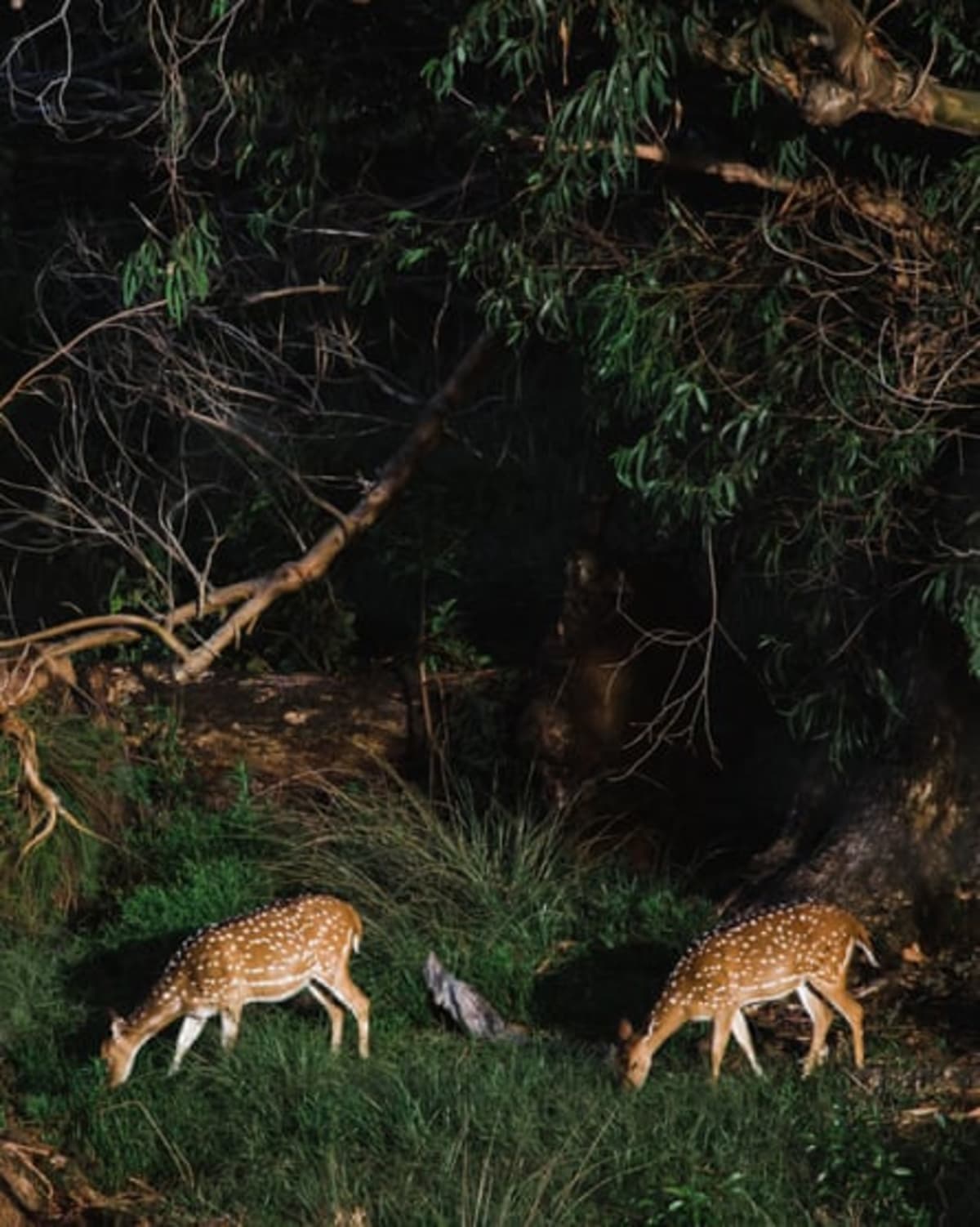
When Hong Kong gifted eight axis deer to Hawaii's King Kamehameha V in 1868, no one imagined they'd multiply into a 60,000-strong herd threatening the islands' ecosystem. But one innovative company saw an opportunity where others saw only problems.
Axis deer aren't like typical North American deer. They breed year-round instead of seasonally, creating herds that constantly grow and consume everything in their path.
The damage is real. These beautiful, spotted animals devour native grasses and endangered plants down to their roots, leaving farmland barren. Local sausage maker Joy Enriques had to stop producing her popular blood sausage because deer ate all the green onions her farmers were growing.
In January, Governor Josh Green declared a state of emergency due to drought conditions made worse by the deer. It was the 25th such proclamation about axis deer impact on Hawaii.
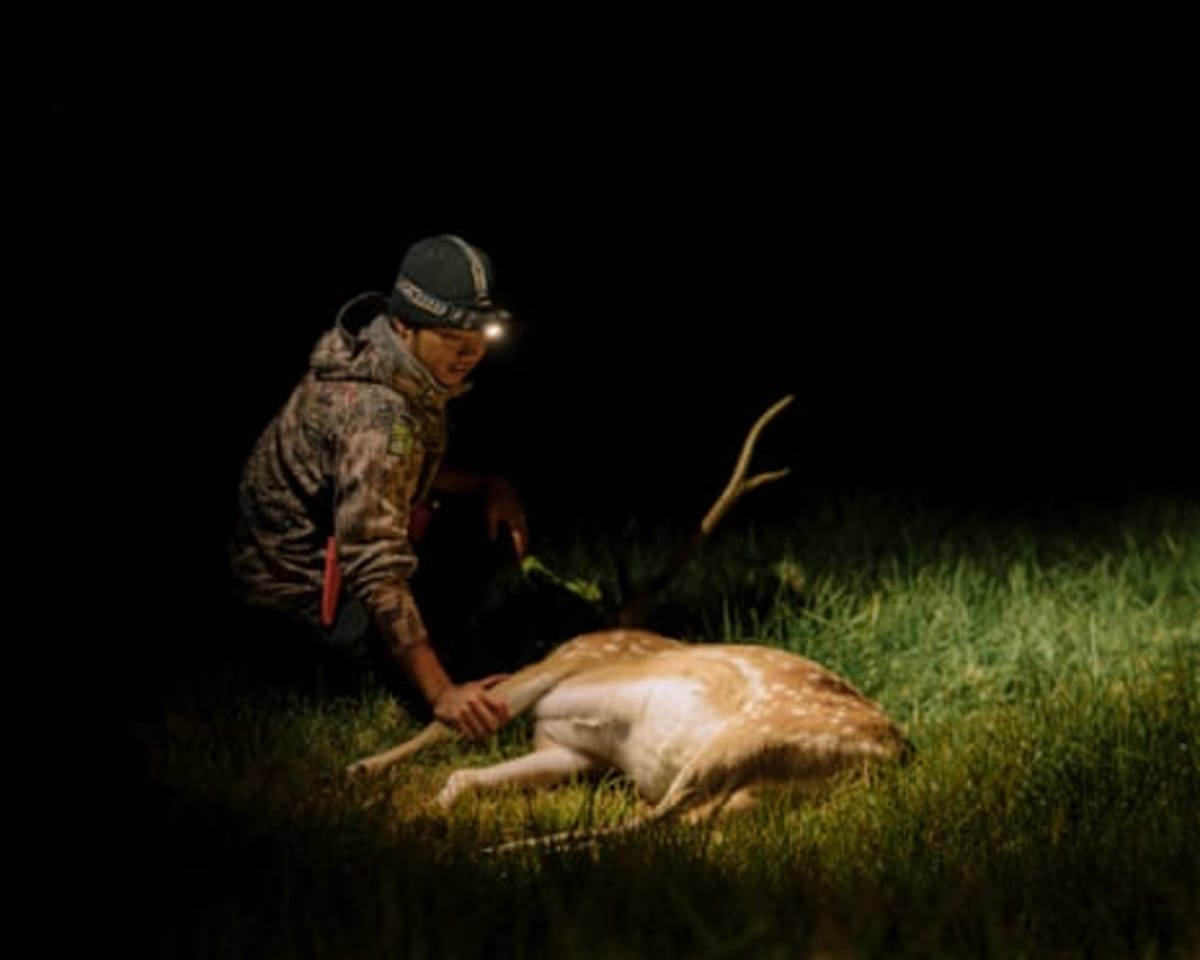
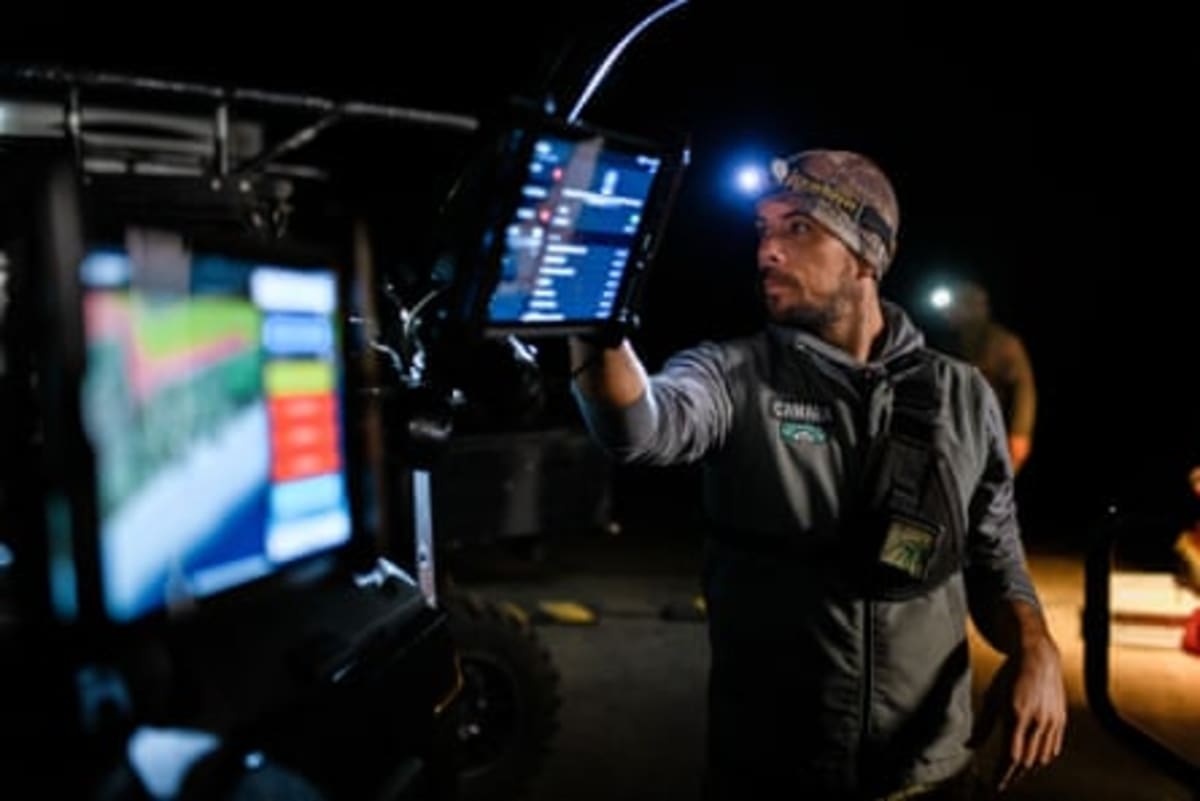
Enter Maui Nui Venison, a company that's been turning this crisis into dinner for nearly a decade. Every night, their harvest teams work under USDA supervision, using night vision technology and infrared drones to humanely cull 40 to 55 deer from private ranches.
Each deer produces about 42 pounds of meat that becomes steaks, ground meat, jerky, bone broth, and health supplements. The venison is lean, flavorful, and costs just $5 per pound compared to $20 for conventional ground beef on nearby Molokai island.
Chef Sheldon Simeon, who owns Tiffany's restaurant in Wailuku, now stuffs his wontons with Maui Nui venison instead of traditional pork. "People can be intimidated by venison because it's associated with tasting gamey," he explains. "But Maui Nui's venison is full of flavor and cooks really easily because of what the deer eat on Maui."
The hunters are mostly young men in their early 20s who work week-long shifts, sleeping during the day in converted shipping containers. Each kill is recorded and tracked by USDA agents who monitor the deer population with high-tech tools.
The Ripple Effect
This solution creates multiple wins. Native Hawaiian forest birds get their habitat back as deer stop destroying the seedlings they depend on. Farmers can grow crops again without losing everything to hungry herds. Local restaurants get affordable, sustainable protein that doesn't need to be shipped thousands of miles.
The company is proving that environmental problems can become community resources. By treating overpopulation as opportunity rather than just pest control, they're feeding families while healing the land.
What began as an invasive species crisis is becoming a model for turning ecological challenges into practical, delicious solutions that benefit everyone.
More Images

Based on reporting by Guardian Environment
This story was written by BrightWire based on verified news reports.
Spread the positivity!
Share this good news with someone who needs it