Australia Triples Battery Budget After Huge Demand
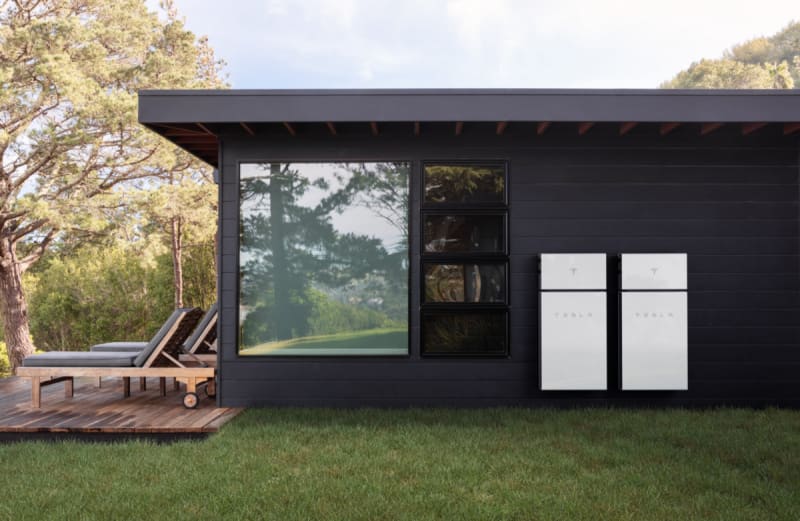
Australia just boosted its home battery program budget from $1.6 billion to $5 billion after households snapped up the subsidies faster than expected. In just six months, home batteries went from niche technology to powering up to 11% of peak electricity demand in some states.
Australians are racing to install home batteries so quickly that their government just tripled the program budget to keep up with demand.
The Cheaper Home Batteries Program launched in July 2025 with $1.6 billion to help households, small businesses, and community groups afford battery storage systems. Within six months, Australians had signed up so enthusiastically that the government bumped funding to $5 billion to meet the appetite for clean energy independence.
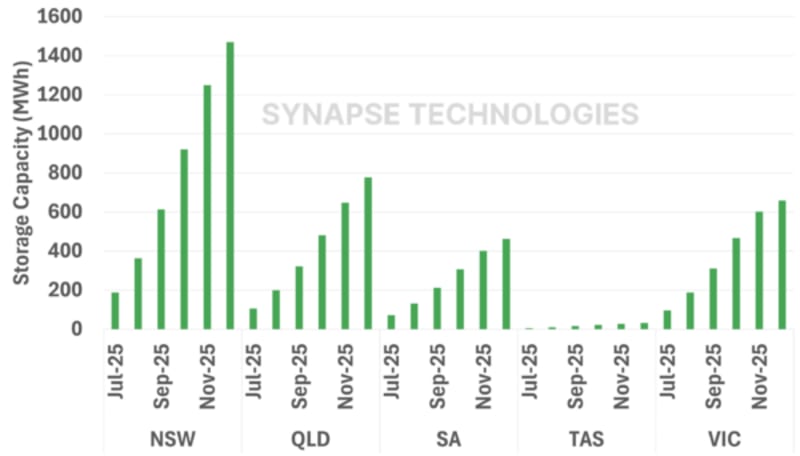
The results are stunning. Home battery capacity exploded from virtually nothing to between 500 and 1,500 megawatt hours across mainland Australia in just half a year. New South Wales led the charge with an eightfold increase in installations.
This pace mirrors Australia's rooftop solar boom, which saw installations triple or quadruple across mainland states between 2017 and 2023. Now batteries are catching up, letting families store that solar power for evening use instead of sending it back to the grid.
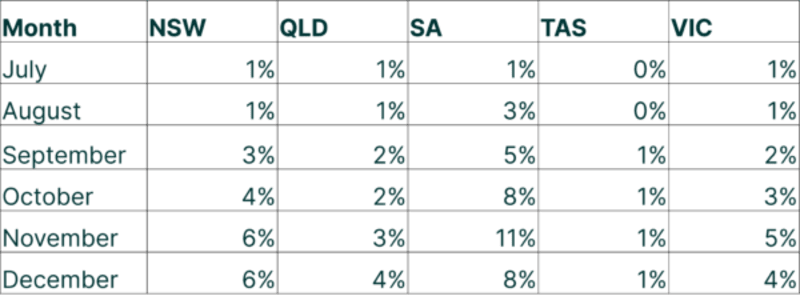
The impact on Australia's electricity grid is already measurable. In December, home batteries could theoretically supply 4% to 8% of peak demand across mainland states. That's more than what Vales Point coal plant provides and nearly half of what Eraring, Australia's largest coal power station, contributes.
South Australia hit an even more impressive milestone in November, with home batteries capable of covering 11% of peak load. That's a remarkable achievement for technology that barely existed six months earlier.
The Ripple Effect
These home batteries are doing more than just saving individual families money. They're fundamentally reshaping how Australia's electricity system works during the critical evening hours when demand peaks and solar panels go dark.
Energy analysts are watching for a "Bactrian camel curve" to emerge, a pattern with two humps instead of one evening spike. Home batteries could flatten the early evening demand surge, spreading grid needs across more hours as batteries discharge throughout the night.
This shift could help Australia manage the retirement of coal plants scheduled for coming years, with distributed home storage filling gaps that might otherwise require new power stations. Rather than competing with utility scale batteries and wind farms, home systems may end up supporting the grid during a crucial transition period.
The government aims to reach 40 gigawatt hours of small scale storage by 2030. If the current pace continues, Australia is building a more resilient energy future one rooftop and home battery at a time.
More Images
Based on reporting by PV Magazine
This story was written by BrightWire based on verified news reports.
Spread the positivity!
Share this good news with someone who needs it