Australia Unveils First Underwater 3D Concrete Printer
Australian engineers just cracked a problem that's stumped builders for decades: how to 3D print concrete structures directly underwater without chemicals or complex staging. This breakthrough could transform how we build and repair ports, bridges, and coastal defenses around the world.
Building underwater has always meant fighting against physics itself—concrete washes away, robots lose stability, and construction crews need massive temporary structures just to work below the surface. Now, an Australian team has developed technology that prints concrete structures directly on the ocean floor, no protective barriers required.
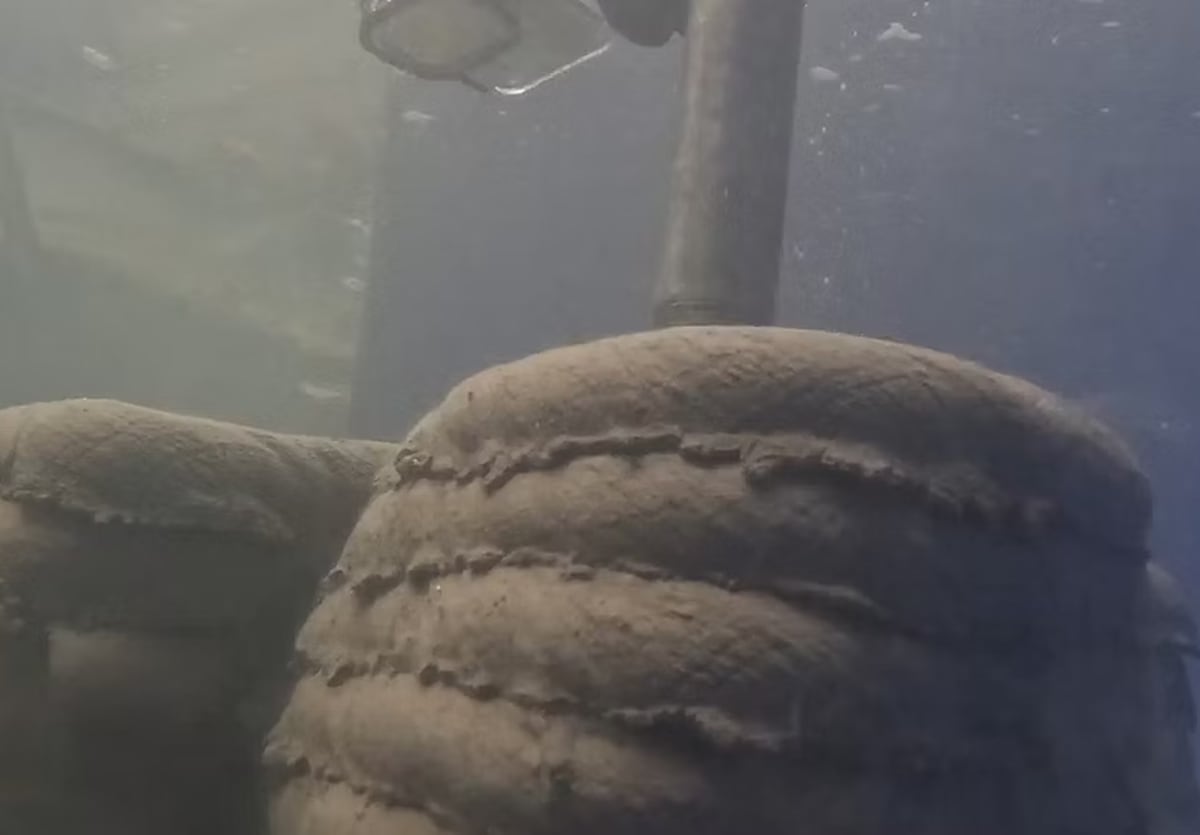
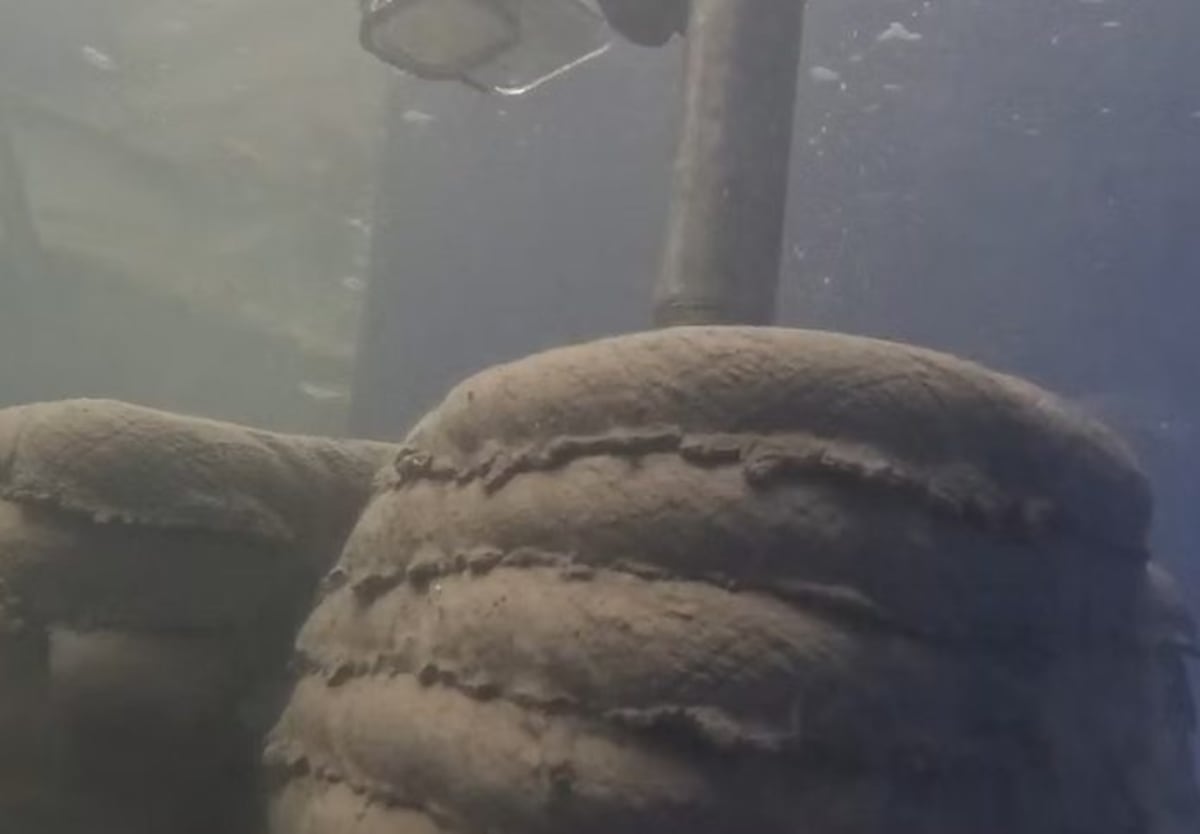
LUYTEN 3D and researchers at the University of Wollongong have created Australia's first submerged 3D printing system alongside a concrete formula that stays stable underwater without chemical accelerators. The concrete doesn't disperse when it hits the water, and the robotic printer maintains precise control despite currents and pressure.
Ahmed Mahil, LUYTEN 3D's co-founder and CEO, explains the challenge wasn't solving one problem but three simultaneously. "Underwater additive manufacturing presents three core constraints: hydrostatic pressure, material washout, and robotic stability in a fluid environment," he says.
The team approached it as a systems engineering challenge, coordinating material science with robotic control and deployment architecture. Traditional underwater construction relies on cofferdams (temporary enclosures that keep water out), prefabricated components shipped to sites, and chemical setting agents that can be unpredictable.
This new system eliminates most of that complexity. Construction crews can now print structures directly where they're needed, reducing logistics, lowering emissions from transport, and cutting project timelines.
The implications stretch across defense, ports, offshore energy, and coastal infrastructure. Mahil envisions a future where large marine structures are fabricated on-demand rather than assembled from massive prefabricated pieces that must be transported and positioned with cranes and divers.
Repair work could see the biggest immediate impact. Instead of moving damaged structures to dry docks for fixing, crews could print repairs in place, keeping critical maritime infrastructure operational.
The technology has moved beyond lab validation into controlled demonstrations, with defense and ports sectors already engaged. LUYTEN 3D says scalability won't be a limiting factor, as the company already operates large-scale additive manufacturing systems.
The Ripple Effect
Beyond marine applications, the research opens doors for construction in other extreme environments. Self-contained, digitally controlled systems that work underwater could inform approaches to disaster response, remote infrastructure development, and even future space construction.
The shift from "reactive containment" to "controlled digital fabrication" represents more than just technical progress. It's about compressing complexity, as Mahil puts it—turning processes that once required armies of specialized workers and equipment into operations a smaller team can manage with greater precision.
Australia's coastal communities and industrial ports could be the first to benefit, but the technology promises to make underwater construction faster, cleaner, and more accessible worldwide.
More Images
Based on reporting by Google News - Australia Breakthrough
This story was written by BrightWire based on verified news reports.
Spread the positivity!
Share this good news with someone who needs it