Australian Team Boosts Solar Panel Efficiency by 8.2%
Scientists at the University of New South Wales created a device that captures wasted sunlight and converts it into usable energy. This breakthrough could make solar panels work harder and waste less.
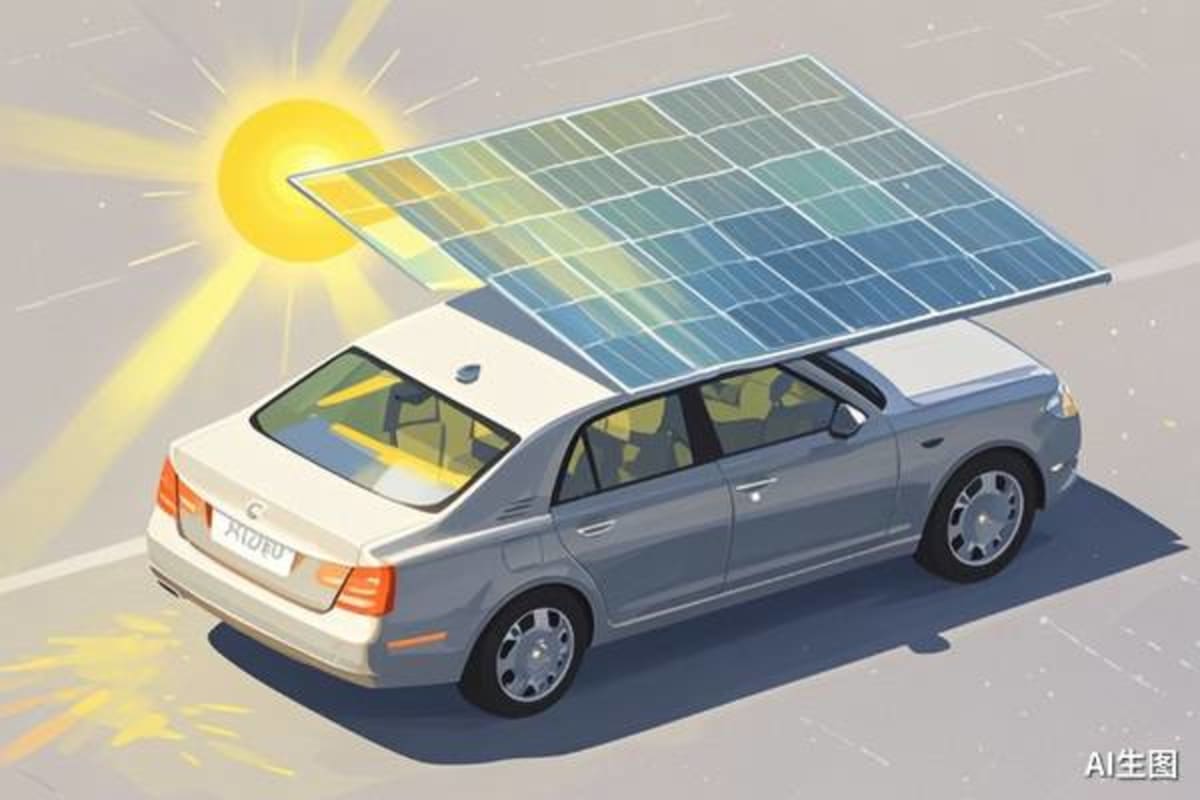
Scientists in Australia just found a way to squeeze more power from the sun that's already hitting our solar panels.
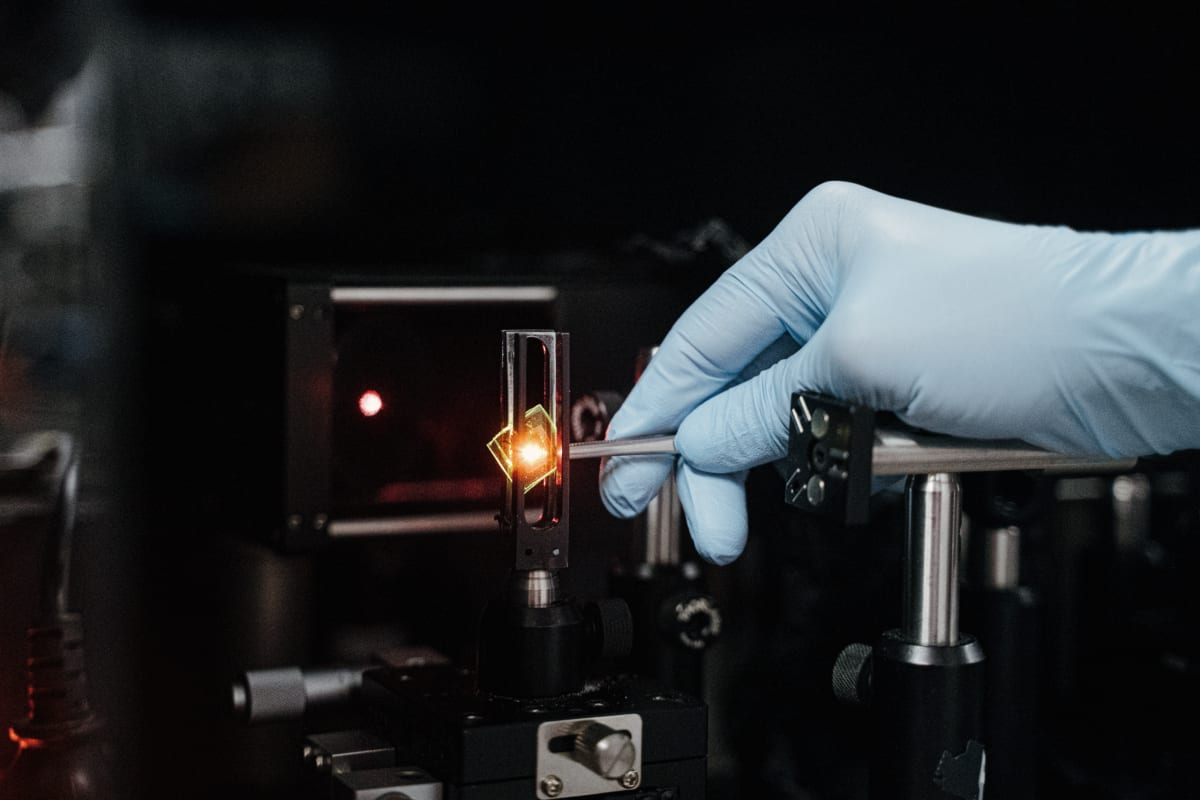
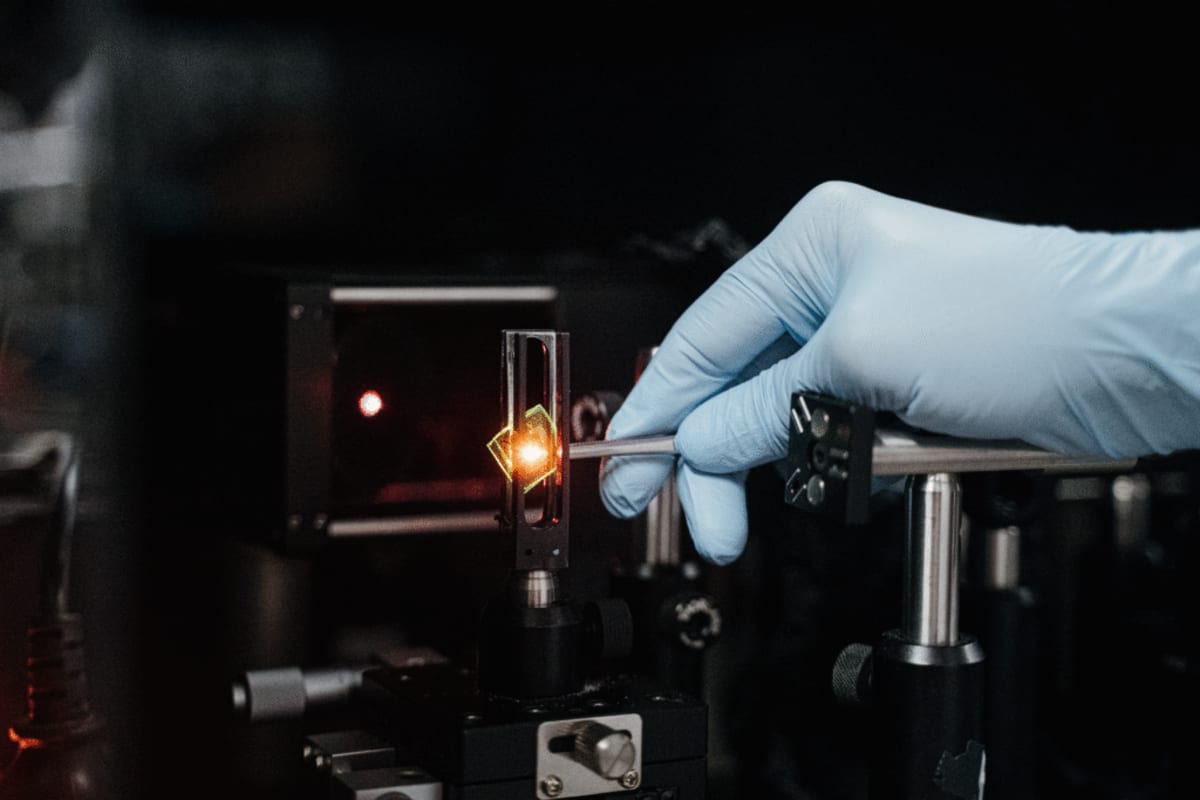
Researchers at the University of New South Wales developed a tiny device that catches infrared light normally lost in solar panels and transforms it into energy we can actually use. Think of it like recycling sunlight that would otherwise slip through the cracks.
The innovation targets a specific problem that's plagued solar technology for years. Conventional solar cells can't use all the light that hits them. Low-energy infrared and red wavelengths pass right through, carrying potential energy that simply disappears.
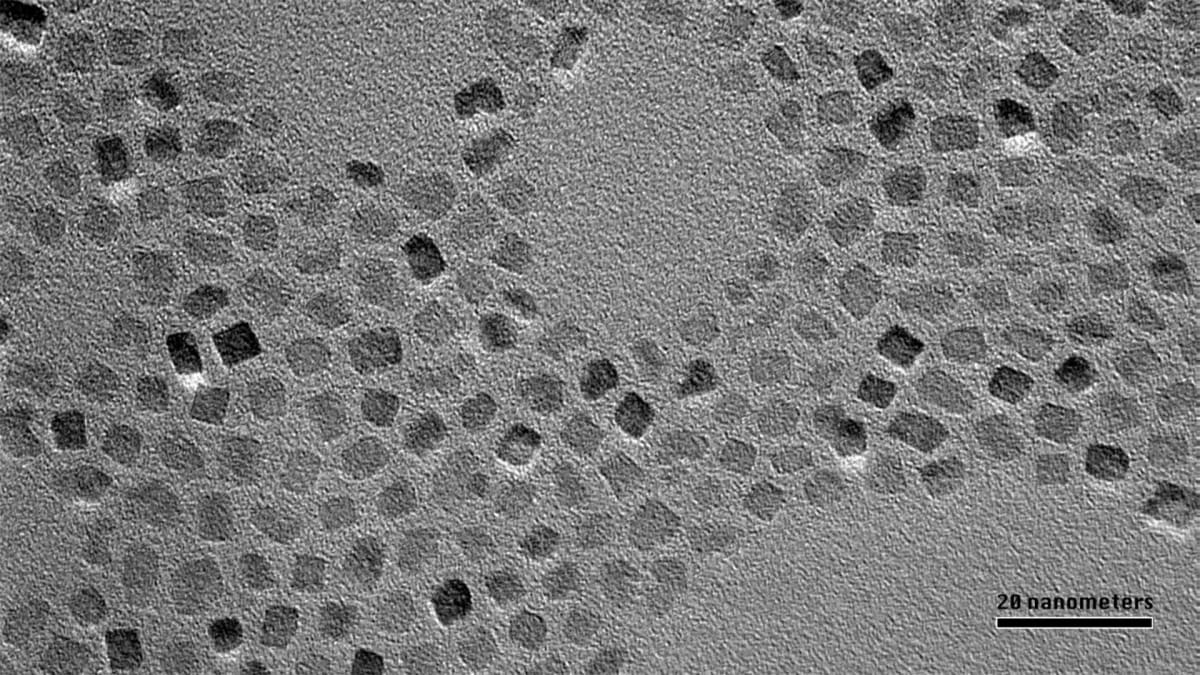
The UNSW team built a nanoscale device using what they call a "liquid triplet fusion medium" that acts solid when it needs to. This clever material sits in a scaffold structure, catching those wasted photons and converting them into visible light that solar cells can absorb.
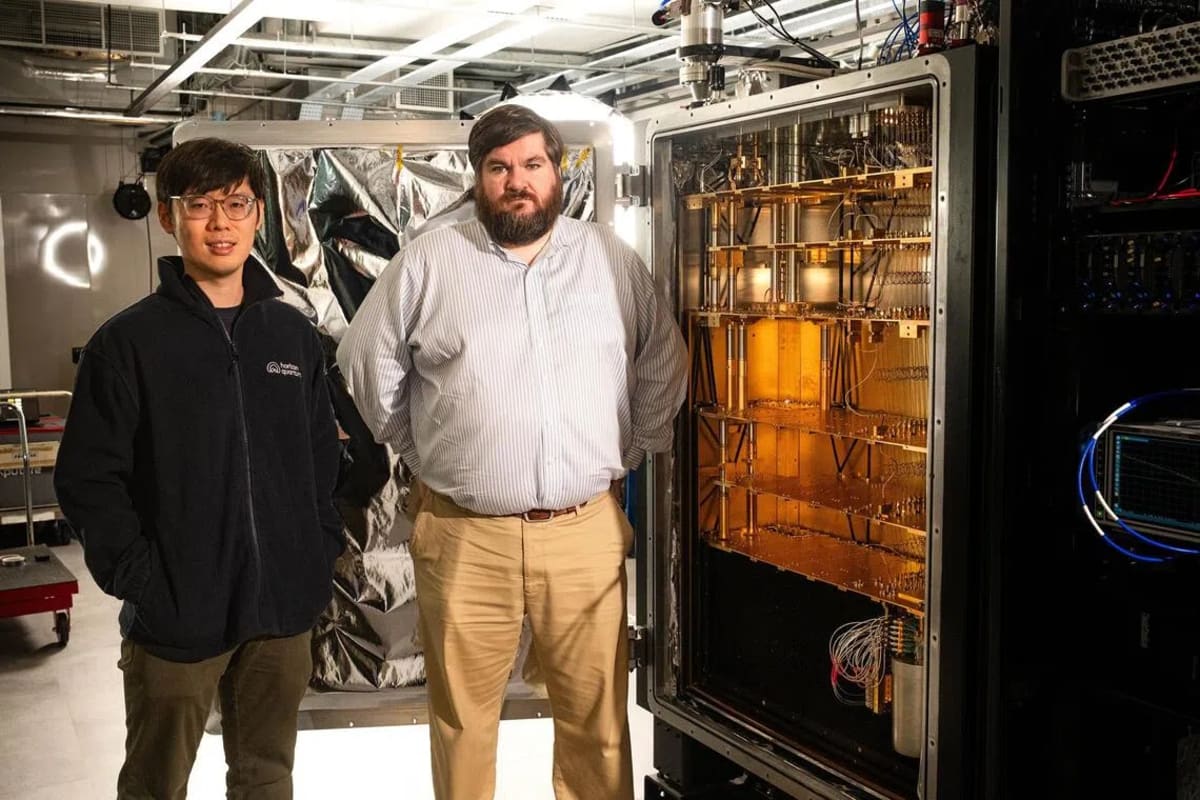
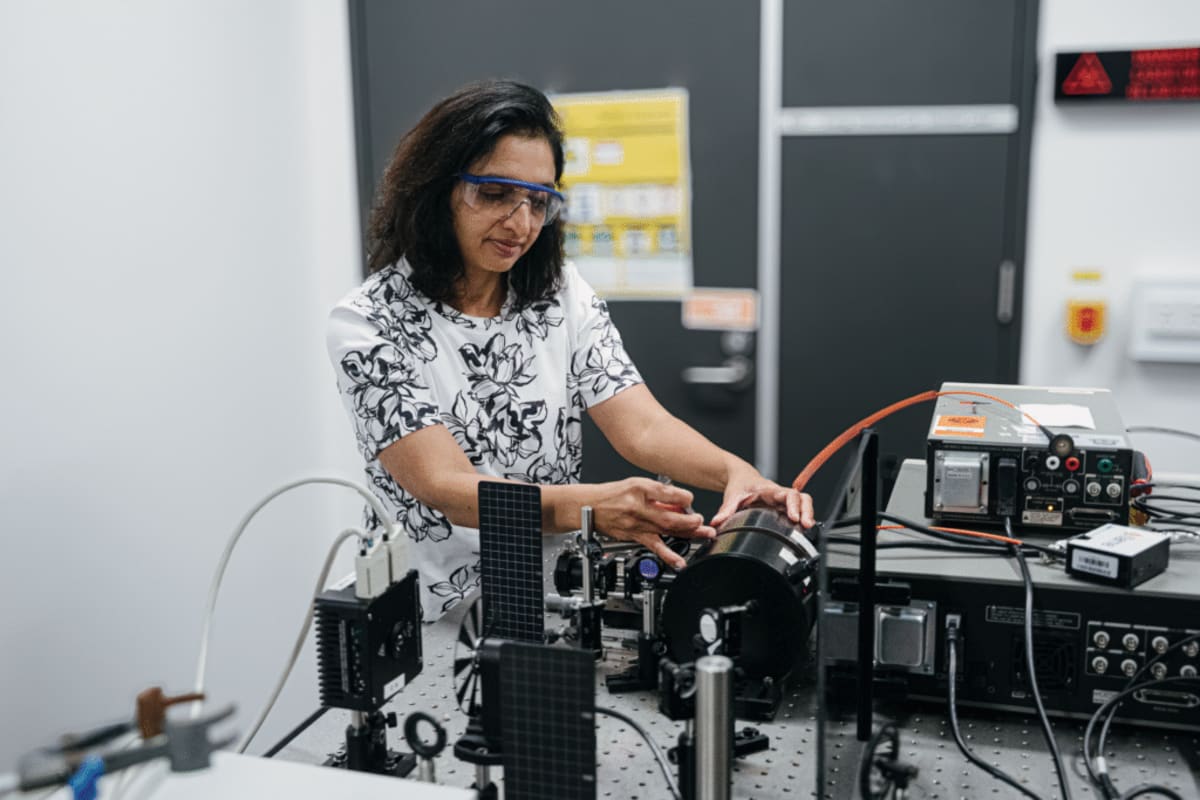
Lead researcher Dr. Thilini Ishwara said the device achieved 8.2% conversion efficiency, among the highest ever recorded for this type of technology. That might sound small, but in solar energy, every fraction of a percent counts when you're talking about powering homes and businesses.
What makes this particularly exciting is how it was built. Unlike earlier experimental versions that relied on liquids, this device works as a solid structure. That means manufacturers can produce it using existing semiconductor techniques, the same processes that make computer chips.
The Ripple Effect
This breakthrough extends far beyond rooftop solar panels. The same technology could improve infrared sensing systems, speed up certain chemical reactions using light, enhance fiber-optic communications, and even advance 3D printing techniques that build objects using light.
Industries that generate or encounter infrared radiation as a byproduct could suddenly turn waste heat into productive energy. Manufacturing facilities, data centers, and even vehicles produce infrared light that currently serves no purpose.
The research team is already looking ahead to commercial production. Dr. Ishwara confirmed they're working to bring the technology to market, which could mean real-world applications within the next few years rather than decades.
The findings appear in Nature Photonics, one of the world's leading scientific journals for optical technology. That peer-reviewed publication signals the research met rigorous scientific standards and represents genuine progress, not just laboratory curiosity.
For homeowners with solar panels and utilities running solar farms, this development promises future systems that harvest more energy from the same amount of sunlight, making renewable energy even more competitive with fossil fuels.
Every ray of sunshine we capture brings us closer to a cleaner energy future.
More Images


Based on reporting by PV Magazine
This story was written by BrightWire based on verified news reports.
Spread the positivity!
Share this good news with someone who needs it