Australian Backyards Hide Free Superfood Treasure Trove
Indigenous Australians are teaching communities to discover nutritious native foods growing wild in their own backyards. From sandpaper figs to yams, these ancient superfoods are transforming how people eat while creating new business opportunities.
Imagine walking into your backyard and finding a free supermarket filled with nutritious food. For many Australians, that's already reality.
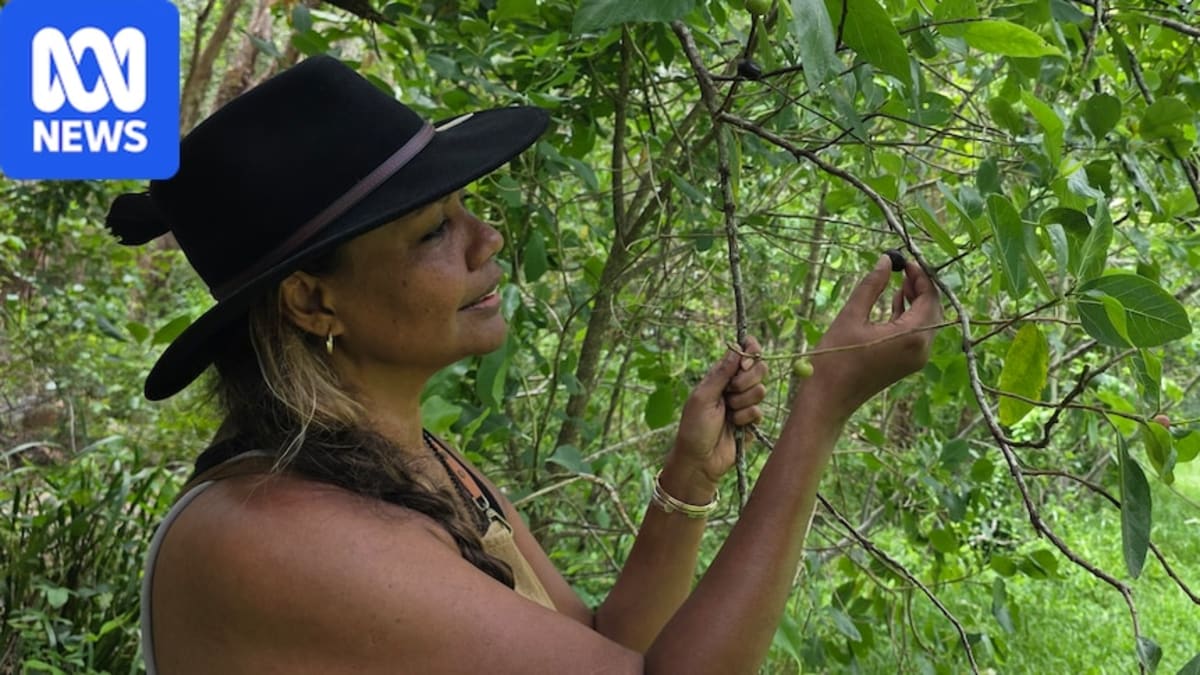
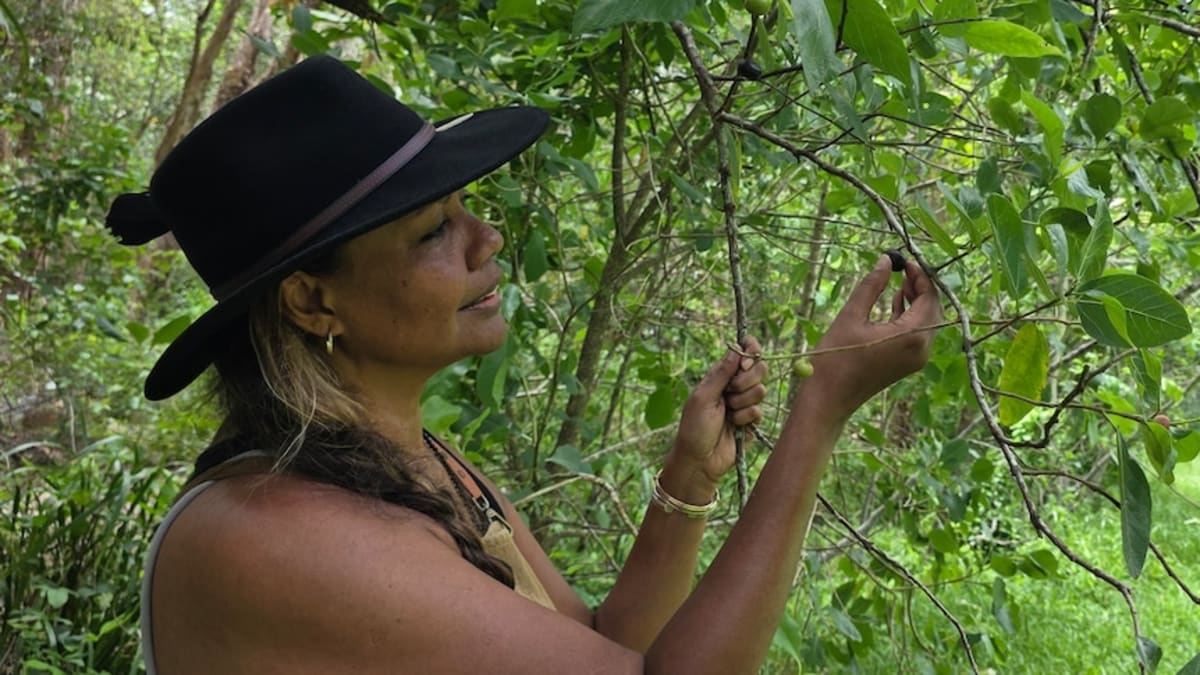
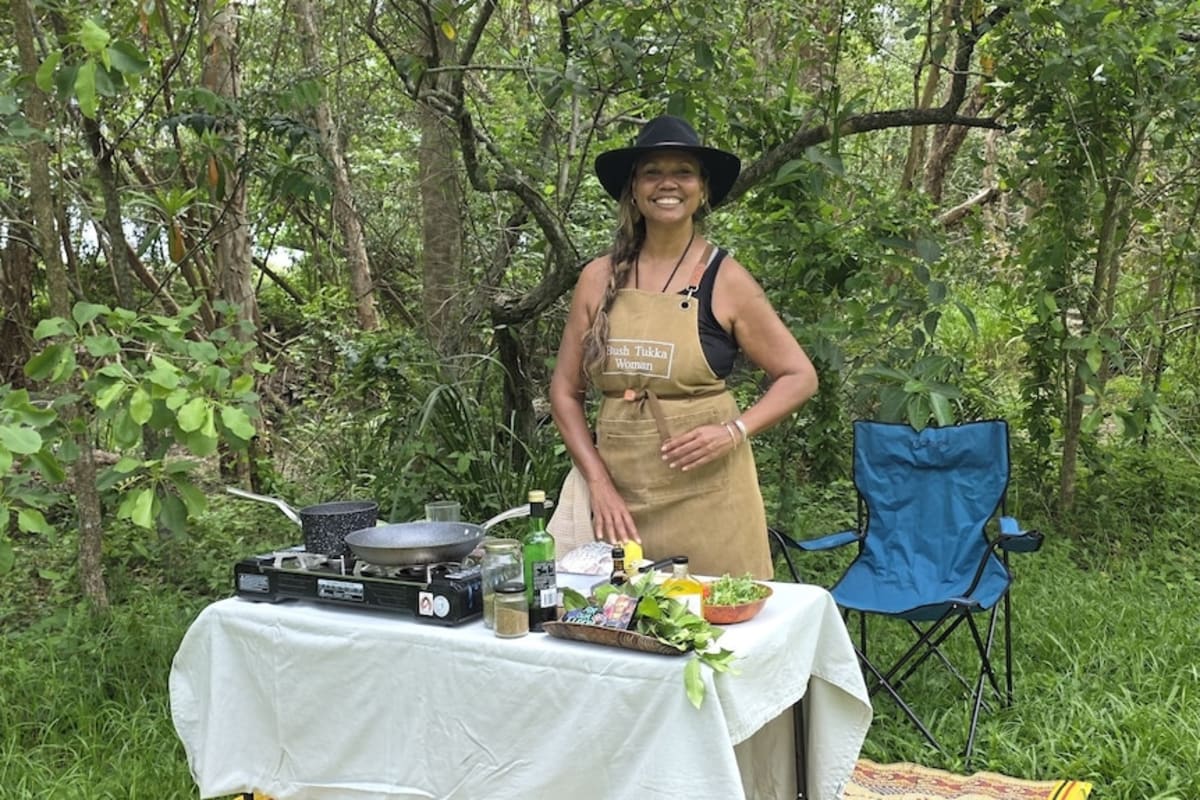
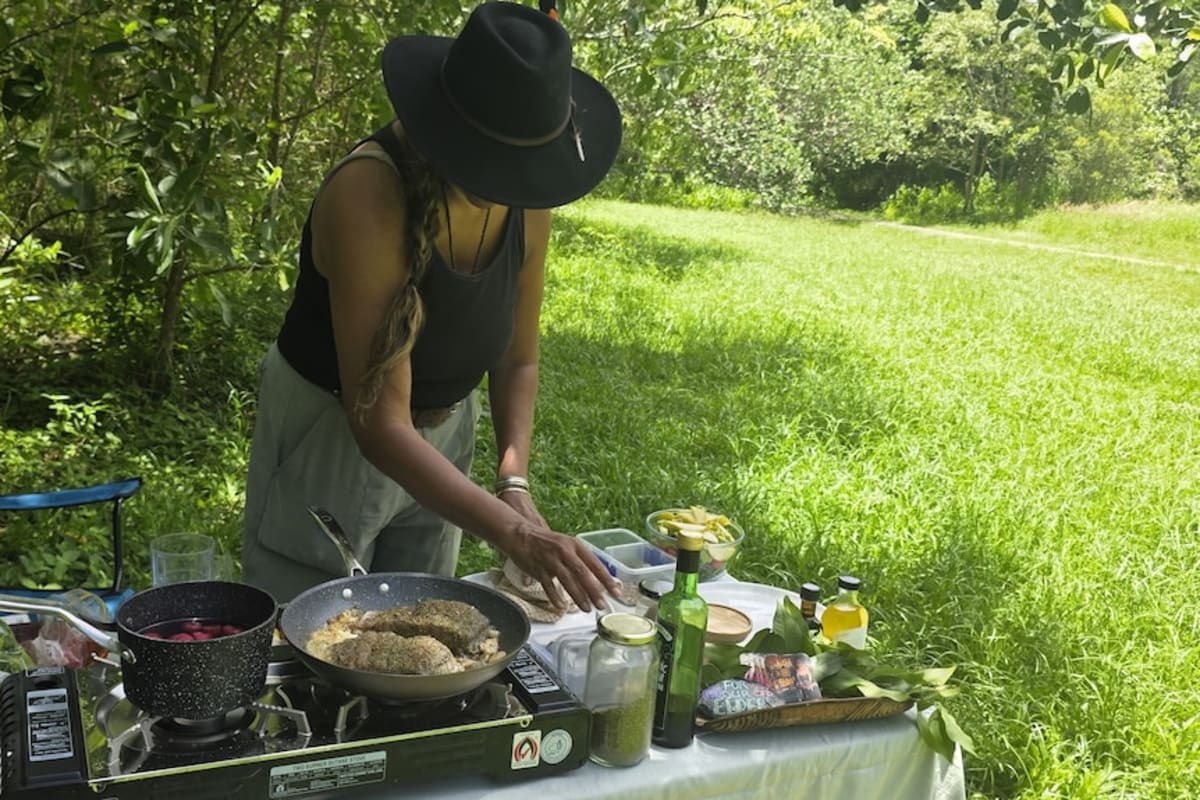
Samantha Martin, known as the Bush Tukka Woman and a proud Jaru descendant, can spot edible treasures everywhere she looks. Standing in Cairns bushland, she points out sandpaper figs, peach berries, tamarind, and cocky apple trees all within arm's reach.
"We are basically in a bush supermarket," Martin says. Growing up in Western Australia's East Kimberley region, she ate goanna cooked on hot coals and caught fresh barramundi from local rivers.
Now she's on a mission to help everyday Australians feel confident cooking with native ingredients. Her approach is simple: make easy swaps in familiar recipes.
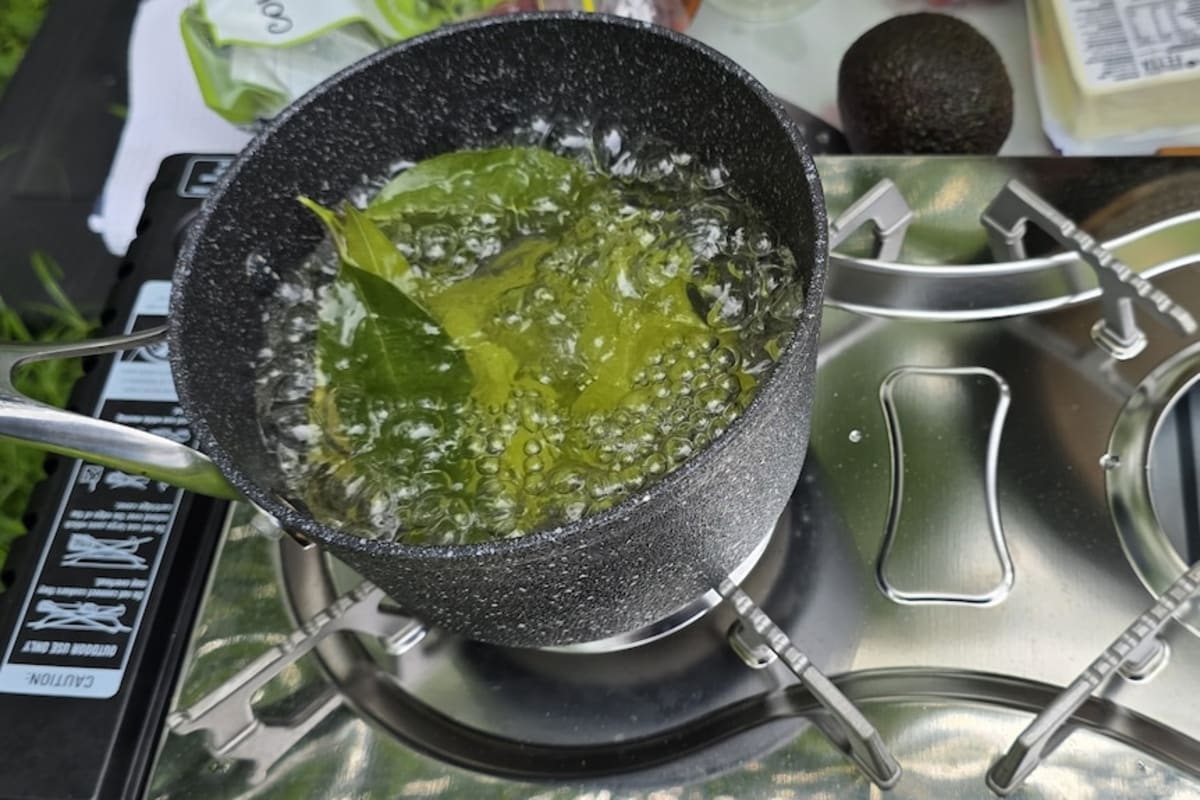
She suggests replacing rosemary and thyme with lemon myrtle, or using lemon aspen instead of regular lemons. Boil lemon myrtle leaves for tea or cordial, or try game meats like kangaroo in curries and tacos.
Martin isn't alone in this movement. She's working with Local Indigenous Food Enterprise Services to mentor Aboriginal communities in Far North Queensland who want to turn native foods into viable businesses.
Henrietta Marrie, a Gimuy Walubara Yidinji Elder, is part of that wave. Together with family members Tracy Gray and Roy Gray Junior, she just planted their first commercial yam crop using 380 seeds.
The team traveled to Nigeria earlier this year to learn advanced propagation techniques for yams, which have sustained Indigenous Australians for thousands of years. Marrie is now working with the University of Queensland to document the nutritional value of these starchy vegetables.
Yams can substitute for potatoes in almost any dish. They make flour, work beautifully in soups and stews, and surprisingly, even create delicious ice cream.
The Ripple Effect
This bush food renaissance reaches far beyond individual backyards. Barbra Drummond runs an Indigenous catering business showcasing native ingredients at events across Far North Queensland.
The Wagadagam and Wuthathi woman says food has always brought her community together. Growing up on Mabuiag Island in the Torres Strait, every family gathering centered around preparing and sharing meals.
Mark Harbrow, president of LIFES, notes that Aboriginal and Torres Strait Islander people have always understood the health benefits of native plants. What's changing is mainstream awareness that these superfoods have been available all along.
Celebrity chefs and cooking shows now feature ingredients like Davidson plum and wattle seed. Scientists are confirming what Indigenous Australians have known forever: many native plants pack incredible nutritional and medicinal properties.
Marrie is even collaborating with the Cairns Convention Centre to design a seven-course meal featuring traditional bush foods. She emphasizes the importance of maintaining connections between these foods and the land they come from.
Martin's message is simple: don't be afraid to experiment. The beautiful flavors of Australia's native foods are waiting to be discovered, often growing right outside your door.
More Images
Based on reporting by ABC Australia
This story was written by BrightWire based on verified news reports.
Spread the positivity!
Share this good news with someone who needs it