Australian DNA Test Solves Hornless Cattle Mystery
Scientists cracked a genetics puzzle that frustrated cattle ranchers for years, discovering why some hornless cattle kept testing as horned. The breakthrough will help Australian farmers breed safer, naturally hornless herds across the north.
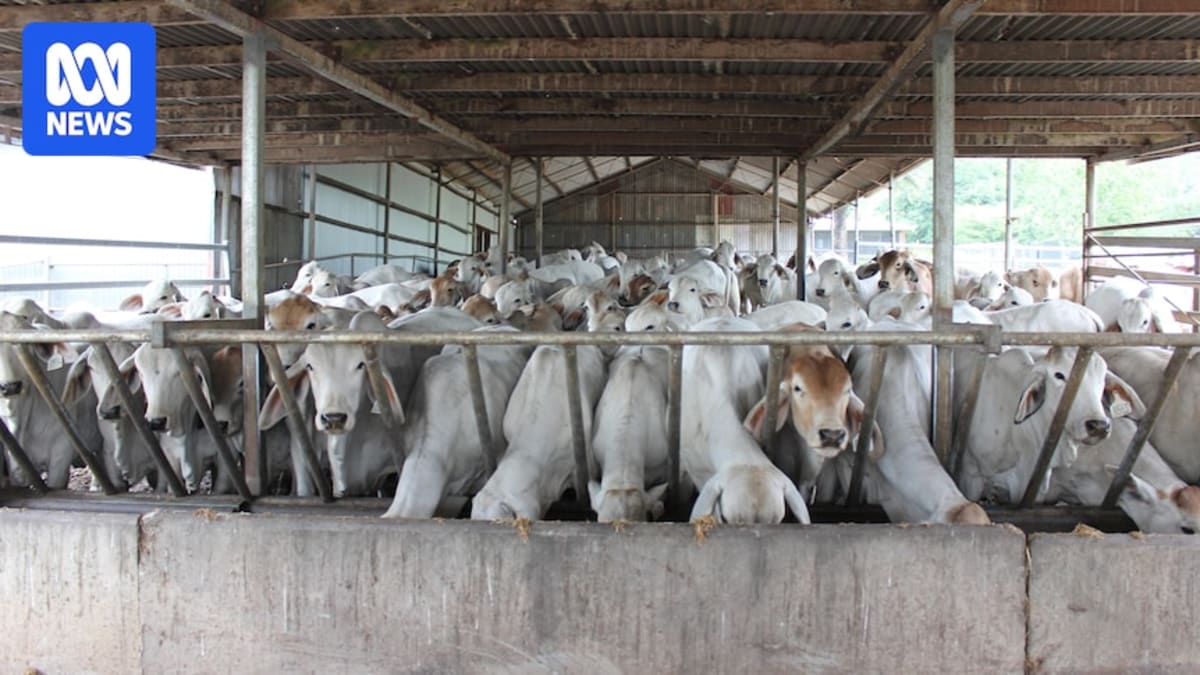
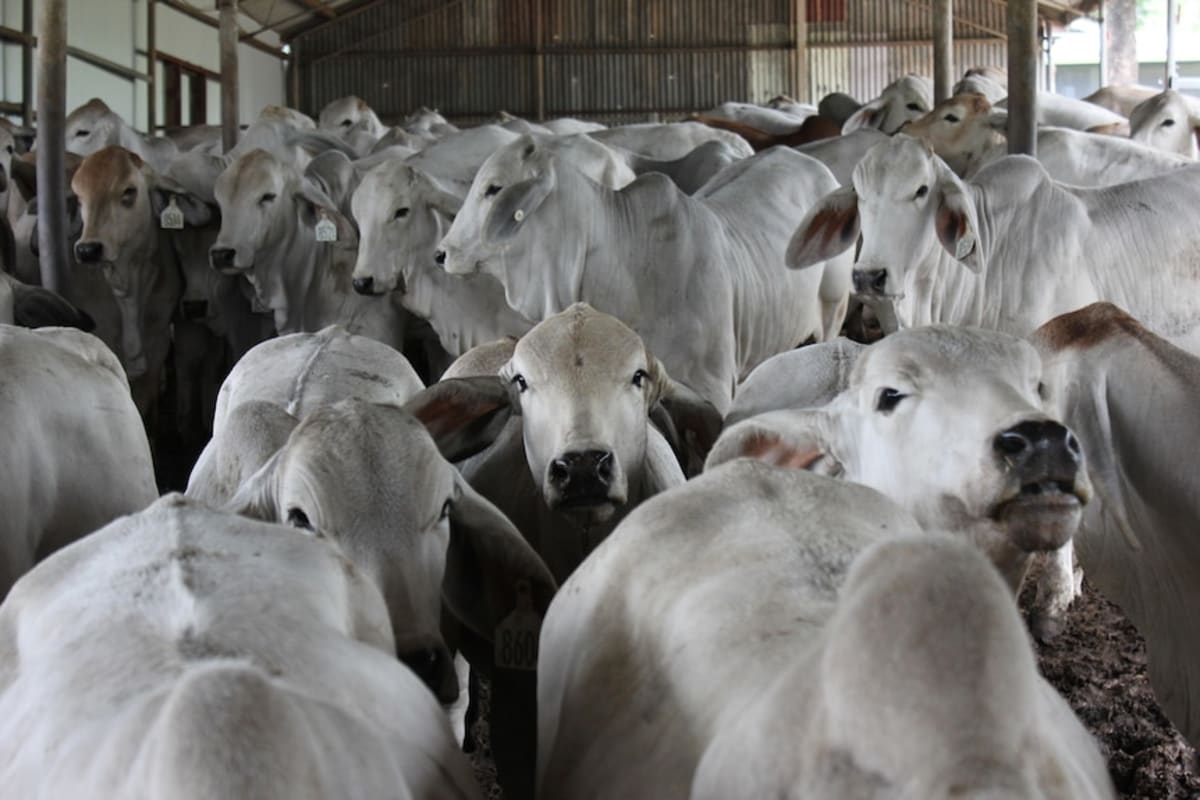
For years, Australian cattle ranchers stared at their hornless brahman cattle in confusion, unable to understand why genetic tests kept insisting these animals should have horns.
University of Queensland researchers just solved the mystery. They discovered two hidden gene variants that make cattle naturally hornless, but weren't showing up on commercial DNA tests used across the industry.
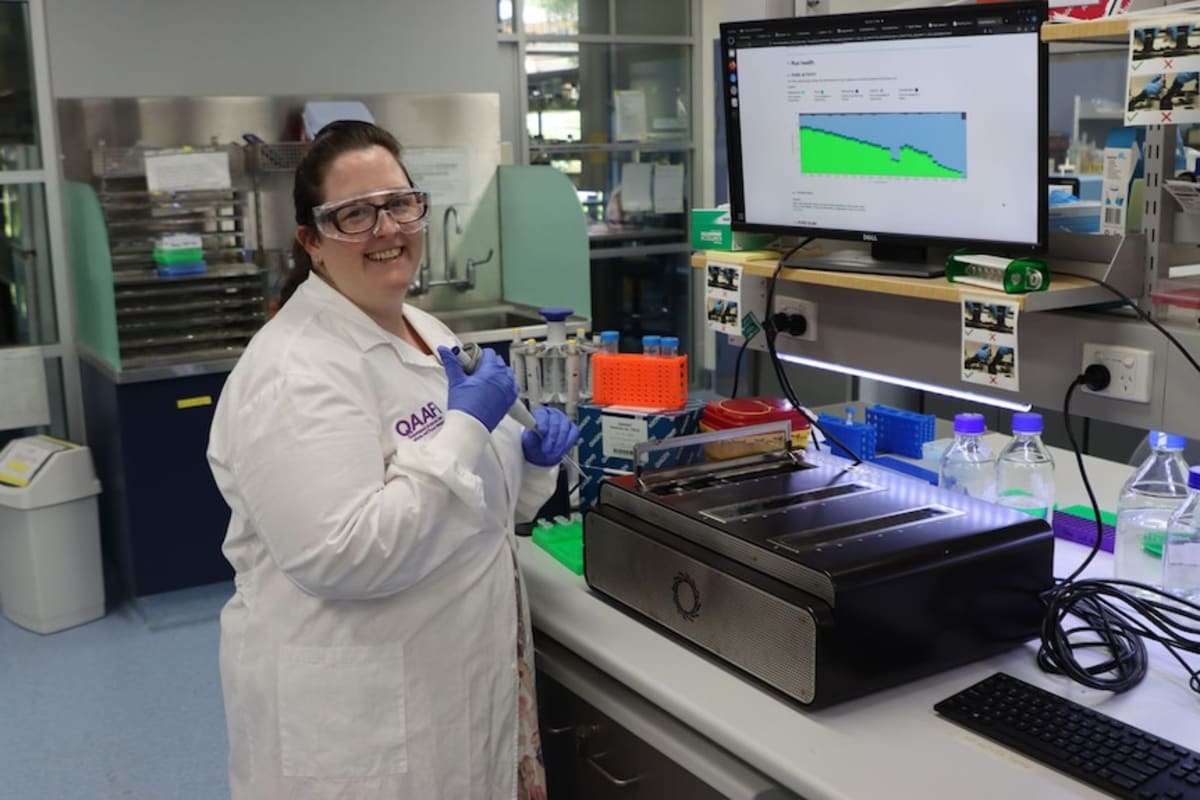
Associate Professor Elizabeth Ross explained that existing tests only tracked two of the four genetic variants that cause hornlessness in cattle. The newly identified variant, called Guarani or polledG, originated in Brazil but had been circulating undetected in Australian tropical cattle breeds.
"It means producers can now have confidence that the genetic results match the animal standing in front of them," Ross said. The discovery came after frustrated members of the Australian Brahman Breeders Association repeatedly reported mismatches between their cattle's physical appearance and test results.
The team used advanced DNA sequencing technology to analyze over 100,000 base pairs of cattle genomes. When a specific duplication occurs in this genetic sequence, the animals simply don't grow horns.
The Ripple Effect
This breakthrough arrives at the perfect time for northern Australia's cattle industry. Polled cattle (naturally hornless animals) have become increasingly valuable because they eliminate dangerous workplace injuries, reduce labor costs, and spare cattle from the painful dehorning process.
Whitsundays rancher Lawson Camm, who bought his first polled bull in 2012, has watched demand surge over the past decade. "A lot of those producers want poll genetics nowadays," he said, noting that most of his bulls now sell into northern Queensland and the Northern Territory.
Breeder Ray Vella emphasized why this matters in tropical regions where wet season conditions make dehorning particularly risky. "It's very labour-intensive, and you can lose calves from bleeding out," he explained.
The new commercial test became available to Australian producers in May 2026, giving ranchers confidence they can accurately breed for hornless traits. Within a generation or two, horned cattle could become rare across northern Australia's vast ranching country.
Researchers now face a new question: how did these Brazilian hornless genetics first arrive in Australian cattle populations?
More Images


Based on reporting by Google News - Australia Breakthrough
This story was written by BrightWire based on verified news reports.
Spread the positivity!
Share this good news with someone who needs it