Australian Farmer Transforms Kenya's "Uncroppable" Land
A farmer from rural Australia is revolutionizing Kenyan agriculture by proving that dry, heavy soils can feed millions. His techniques are turning skeptics into successful farmers and creating a new generation of agricultural entrepreneurs.
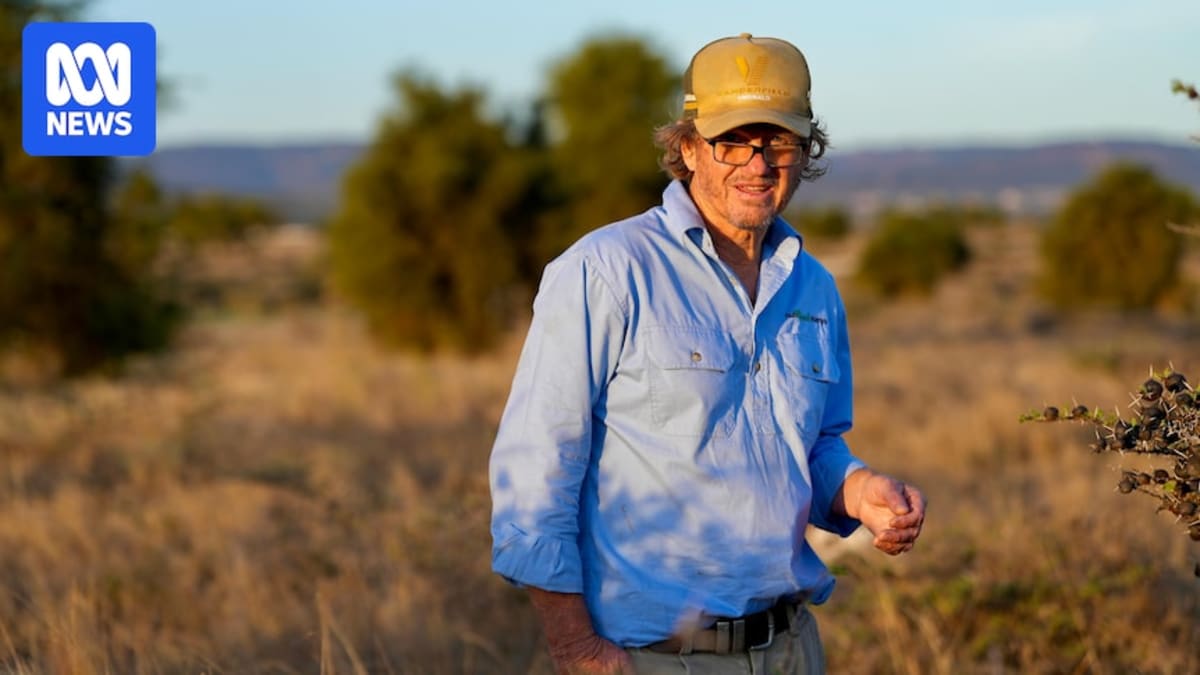
Stuart Barden left his family farm in rural New South Wales for an unlikely mission: proving that Kenya's "uncroppable" land could feed a growing nation.
Fifteen years later, his AusQuest Farm sits 50 kilometers south of Nairobi, bordered by zebras, giraffes, and leopards. But the real wildlife story here is what's happening in the soil.
Kenya imports more food than it produces despite agriculture being its main economic driver. Three quarters of the country is arid or semi-arid, and heavy black soils have long been dismissed as useless for crops. Stuart saw it differently.
After receiving a Nuffield Scholarship in 2009 to study grain growing in low rainfall environments, he identified a critical need. With Kenya's average age just 20 years old compared to Australia's 38, feeding a young and exploding population would require new thinking.
Stuart brought Australian dryland cropping techniques to areas receiving just 500 millimeters of rain annually. Locals said it was impossible. He proved them wrong.
David Naphtali, who co-manages the farm, remembers the skepticism. "People around this place think black soil is just like dirt, not productive at all," he says. Now those same soils produce beans, forage sorghum, and silage across three successful businesses.
The Ripple Effect
The transformation goes far beyond one farm. AusQuest now employs up to 400 seasonal workers from neighboring villages and has welcomed thousands of visitors including farmers, business leaders, and politicians.
Samson Mutuku started working with Stuart 14 years ago thinking farming "was not sustainable at all." Today, he and his wife Zipporah have expanded from less than one hectare to six, producing 2.5 tonnes per hectare. That's five times what their neighbors harvest.
The results paid for their children's education and sent Zipporah back to nursing school for four years. "I used to hate farming for sure," she admits. "I used to see my mother plant and get almost nothing."
Now neighbors ask them what magic they're using. The answer isn't magic but moisture retention, crop rotation, and proper weeding techniques that unlock the potential of soils written off for generations.
David believes this moment is critical for Kenya's future. "From the 1960s we were saying agriculture is the backbone of our economy, but currently the backbone is broken and we want to mend it," he explains.
With white collar jobs scarce and many Kenyans working for less than a dollar daily, farming offers a path to earning over $100 per day. Stuart insists the commercial success is essential: "You can't make long-term change and help people unless you are working from a commercial base."
What started as one Australian farmer's experiment is now rewriting what's possible for millions.
More Images



Based on reporting by ABC Australia
This story was written by BrightWire based on verified news reports.
Spread the positivity!
Share this good news with someone who needs it