Kenya's President Apologizes for Decades of Regional Neglect
President William Ruto issued a historic apology to Northern Kenya for 60 years of government neglect that left the region without adequate roads, water, healthcare, or schools. He announced billions in new investments to finally bring development to communities long left behind.
For the first time ever, Kenya celebrated a national holiday in its northern region, and the president used the moment to right a decades-old wrong.
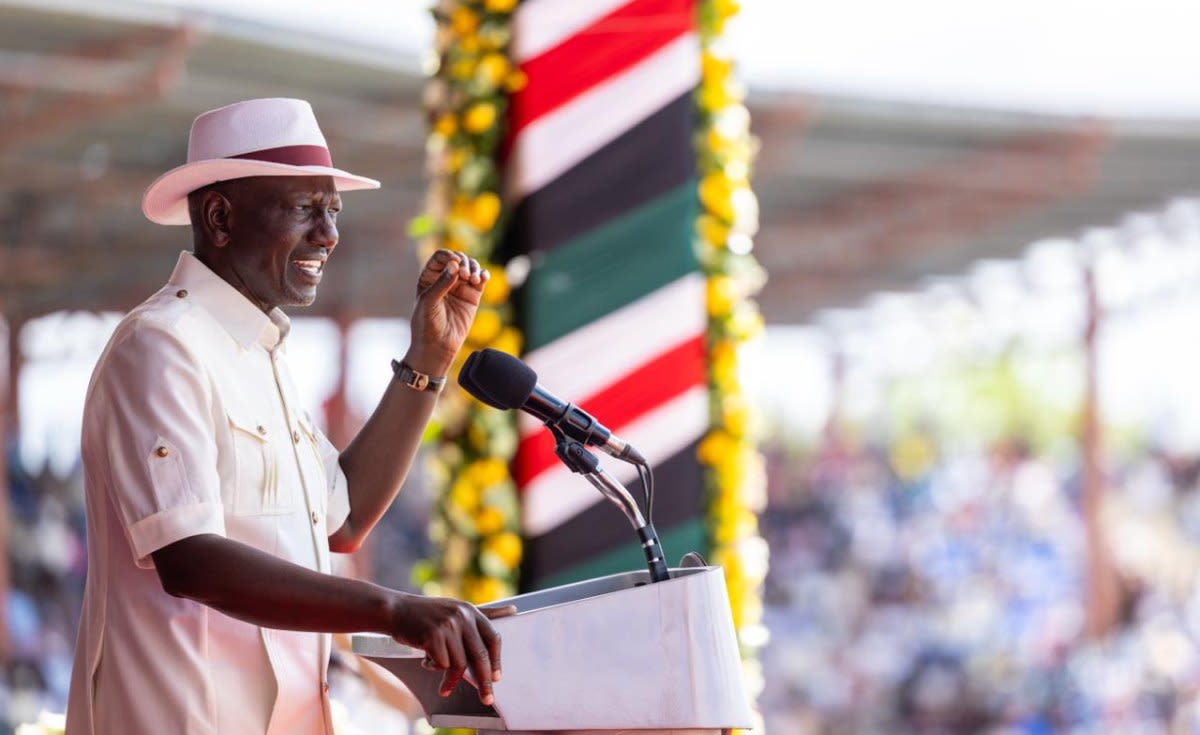
President William Ruto stood before thousands at Wajir Stadium on Monday and formally apologized to the people of Northern Kenya. For 60 years, a government policy had deliberately kept development away from the region, deeming it "too remote and dry" for investment.
"That was wrong then, it is wrong now, and it will forever remain wrong," Ruto said. "On behalf of the people and the Republic of Kenya, I offer my sincere apology for the marginalization you have endured over the years."
The 1965 policy concentrated all development in so-called "high potential" areas, leaving Northern Kenya's vast territory without basic infrastructure. Generations grew up without proper roads connecting their communities, reliable water sources, functioning hospitals, or enough schools for their children.
But the apology came with action. Ruto's government has already ended discriminatory practices around issuing ID cards and birth certificates to northern residents. More than 800,000 people in the region now have health coverage through the new Social Health Authority, which has already paid out 8.1 billion Kenyan shillings in medical claims.
The government is investing 38.5 billion shillings in affordable housing across three northern counties, creating thousands of jobs. A massive 750-kilometer highway now under construction will connect Isiolo, Wajir, and Mandera counties for the first time, ending decades of isolation.
Education is getting special attention too. The government established three new teacher training colleges in the region, enrolling 4,600 young people who will return to teach in their own communities. Wajir will soon have its own university, bringing higher education home.
For pastoralist communities, Ruto announced a 5 billion shilling livestock investment company to help 350,000 herders across 21 counties build sustainable enterprises. The government is even working to integrate traditional Islamic schools into the national education system, respecting local culture while expanding opportunities.
The Ripple Effect
This shift represents more than infrastructure spending. It's a fundamental recognition that every Kenyan deserves equal treatment regardless of where they live.
The message is already resonating with young people in the region. "Your future will not be defined by your geography," Ruto told them. "It will be defined by your talent, your skills, and your determination."
After six decades of systematic exclusion, Northern Kenya is finally getting the investment and respect its people have always deserved.
Based on reporting by AllAfrica - Headlines
This story was written by BrightWire based on verified news reports.
Spread the positivity!
Share this good news with someone who needs it