Australian Farmers Turn Recycled Glass Into Crop Gold
Australian farmers are spreading crushed glass bottles on their fields and seeing crop yields jump by 30 percent while cutting fertilizer costs. The recycled material unlocks nutrients trapped in soil and protects plants from drought, pests, and disease.
Imagine telling a farmer ten years ago to spread crushed glass on their crops. Today, it's boosting harvests across Australia and turning waste into agricultural gold.
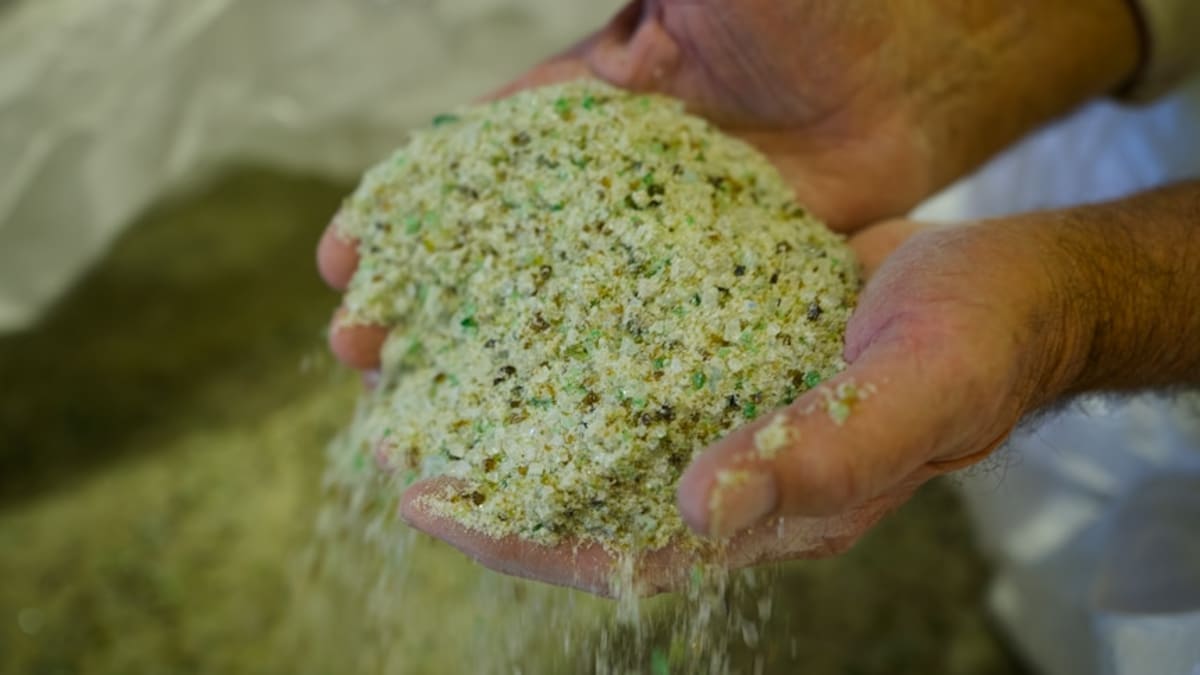
Victorian agronomist Peter Norwood has watched his clients achieve 25 to 30 percent improvements in plant growth after applying pulverized recycled glass to their fields. The secret ingredient is silicon, which makes up glass and acts like a vitamin boost for plants and soil.
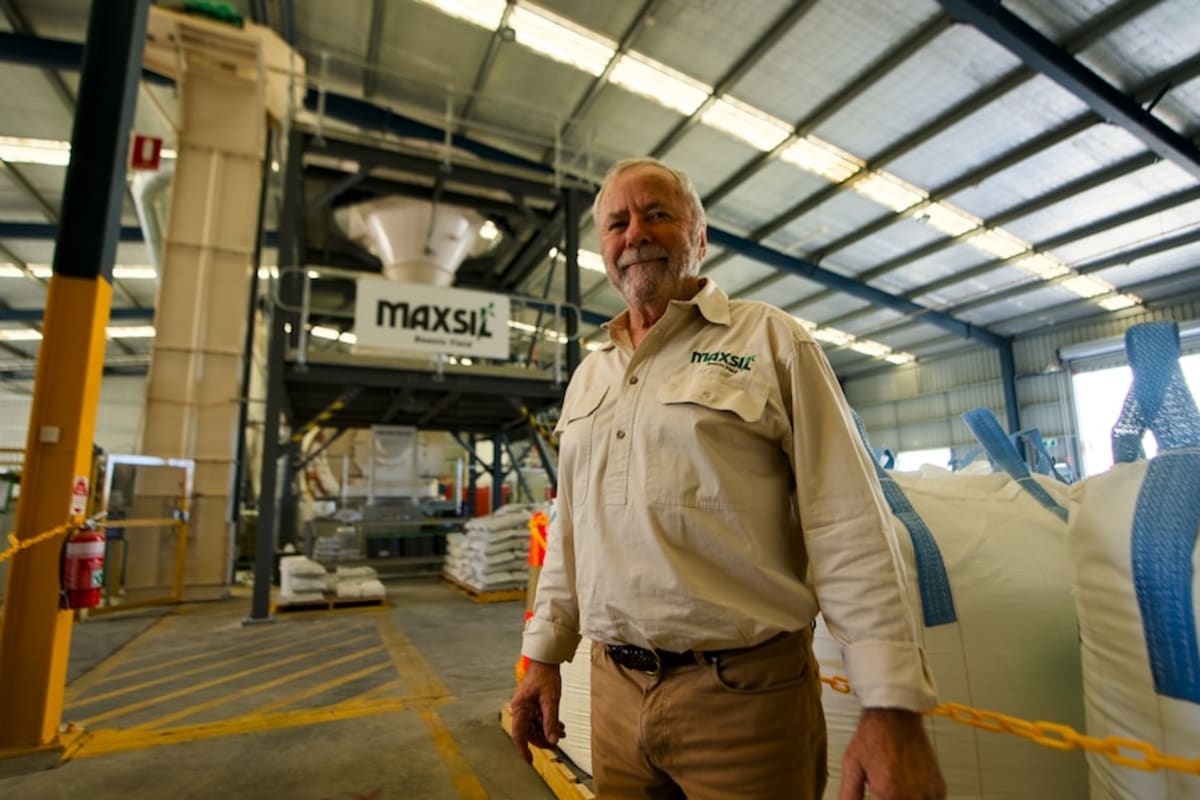
David Archer stumbled onto the discovery by accident during plant trials at his Brisbane facility. "It was like Jack and the Beanstalk," he said, describing how plants responded to the glass powder.
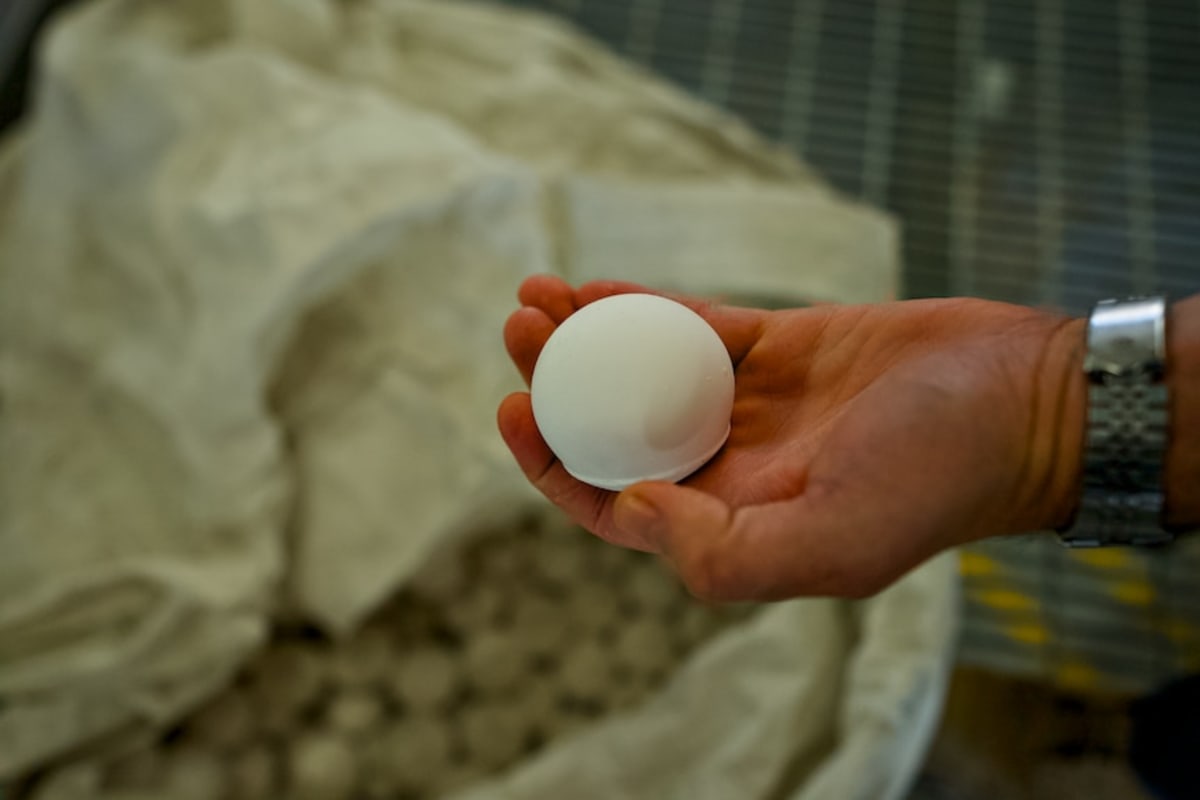
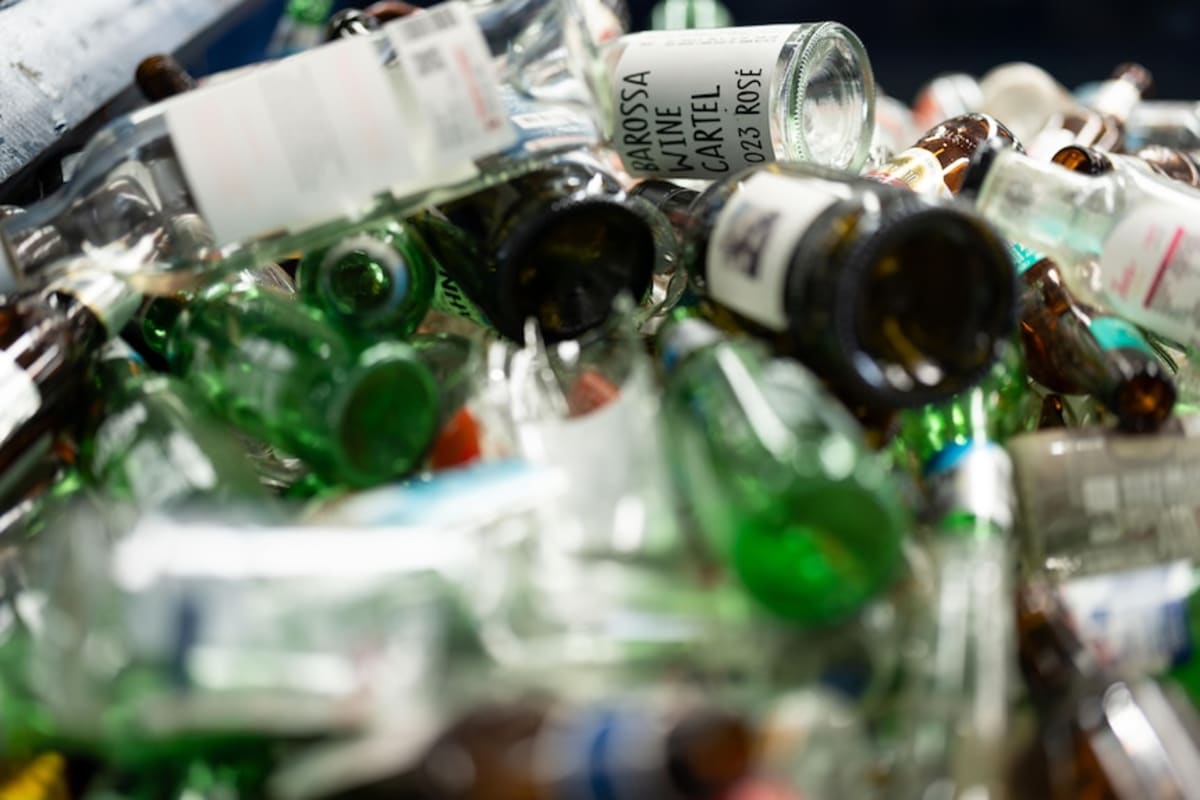
His $4 million factory now processes glass bottles collected through Queensland's Containers for Change recycling program. A massive ceramic tumbler filled with 35 tonnes of ceramic balls grinds the bottles into talc-like powder or fine granules that farmers either spray on plants or spread across pastures.
The science behind it surprised even the researchers. Silicon protects plants against pests, disease, and drought by strengthening their natural immune systems. But the real magic happens underground.
When silicon enters the soil, it attracts iron particles that are binding up phosphate fertilizer farmers have already paid for. The iron moves away, releasing the phosphate so plant roots can finally access it. Silicon also encourages nitrogen-fixing bacteria, creating free fertilizer from thin air.
Farm manager Tony Donovan manages 14,000 hectares for Midfield Meats near Warrnambool. His beef cattle winter weight gains doubled from 0.8 kilograms per day to 1.4 kilograms, with some animals gaining 2 kilograms daily after he applied silicon to just one-third of his pastures.
The timing couldn't be better. When the Iran conflict disrupted international shipping earlier this year, fertilizer prices soared and supplies ran short. Farmers realized their vulnerability to imported products.
The Ripple Effect
The Brisbane factory now ships 20 tonnes of ground glass weekly to farmers growing everything from wine grapes to wheat across the country. They're reducing fertilizer bills while recycling waste that once filled landfills.
Donovan said silicon will become a cornerstone of his farming strategy moving forward. He's bold enough now to commit fully after seeing consistent results across both dairy and beef operations.
The glass collecting dust in recycling bins is becoming the foundation for healthier soil, stronger plants, and more productive farms. Every empty wine bottle now has a second life feeding the land that feeds us all.
More Images
Based on reporting by ABC Australia
This story was written by BrightWire based on verified news reports.
Spread the positivity!
Share this good news with someone who needs it