Australian Honey Fights Drug-Resistant Superbugs
Australian wildflower honey is proving powerful enough to kill antibiotic-resistant bacteria, offering new hope in the fight against one of our biggest health threats. Researchers found that honey from native plants works better than antibiotics in some cases.
Ancient healers in Egypt, Greece, and China treated wounds with honey long before modern medicine existed. Now scientists are discovering they were onto something extraordinary.
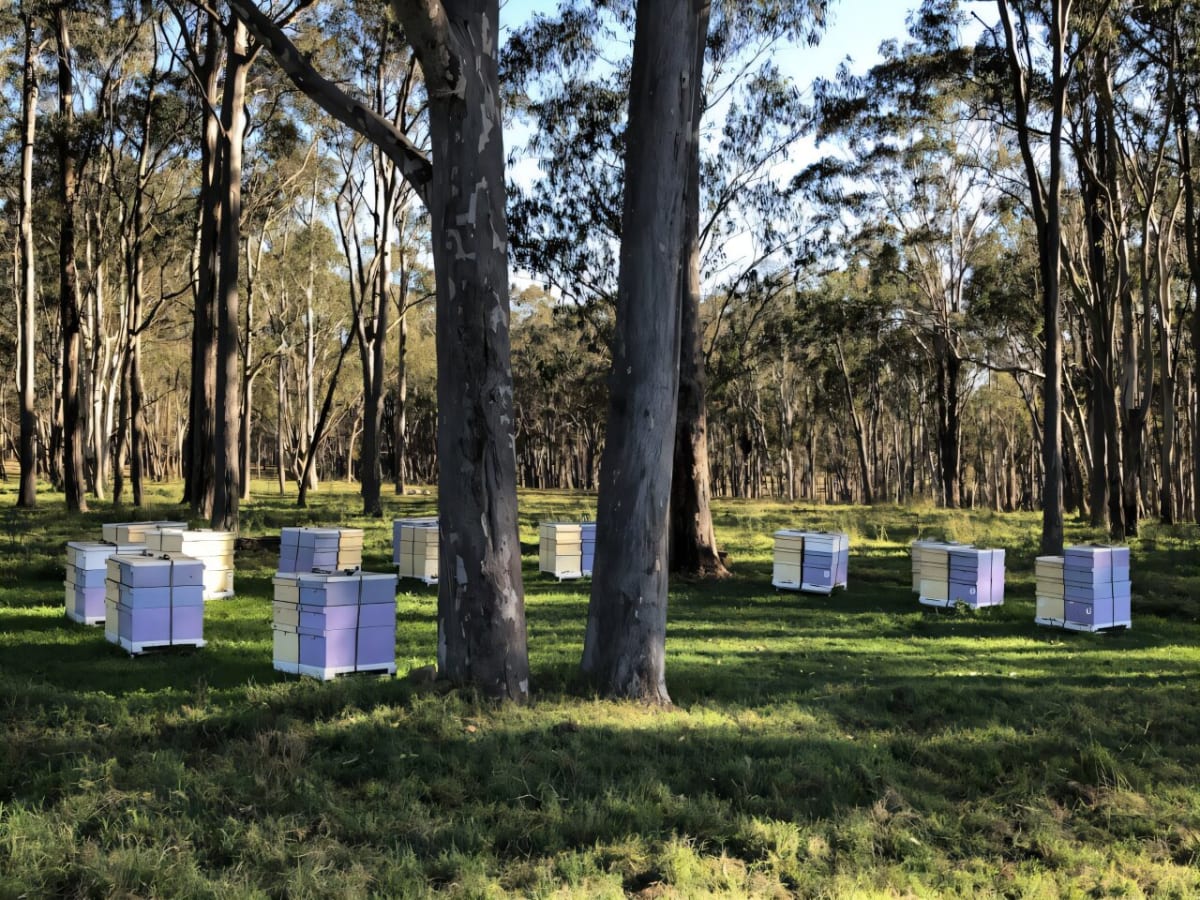
Researchers tested 56 honey samples from New South Wales apiaries and found something remarkable. More than three-quarters could stop dangerous bacteria like golden staph and E. coli even when diluted to just 10 percent strength.
The most powerful honeys came from bees that foraged across multiple native Australian plants like eucalyptus and melaleuca. These mixed-flower varieties packed a chemical punch that single-source honeys couldn't match.
This matters because antibiotic-resistant bacteria are becoming one of our most serious health crises. Infections that were once easily treated now resist even our strongest drugs, making simple wounds potentially deadly.
Honey attacks bacteria in ways that antibiotics can't. Its low moisture draws water from bacterial cells while its acidity disrupts their metabolism. Natural hydrogen peroxide damages their structures, and plant compounds interfere with their ability to reproduce.
Because honey works through multiple mechanisms at once, bacteria struggle to develop resistance. That gives it a huge advantage over traditional antibiotics that target just one weakness.
Many samples came from landscapes recovering from Australia's devastating 2019-2020 bushfires. The diverse plant life returning to these areas created especially potent honey as bees gathered from multiple native species.
The Ripple Effect spreads far beyond medicine. About 70 percent of Australian honey already comes from native plants found in forests, farmland, and even urban green spaces. Protecting these florally rich landscapes doesn't just help bees—it strengthens our natural defense against superbugs.
The beekeeping industry faces serious challenges from bushfires, floods, and the varroa mite. But these findings show that supporting diverse native habitats helps both bee colonies and human health at the same time.
Researchers emphasize honey won't replace antibiotics for serious infections. But for chronic wounds, burns, and surgical sites, it offers a genuinely promising option that's already showing results in clinical settings.
Australia is uniquely positioned to lead bioactive honey production. The continent's remarkable biodiversity creates chemical combinations that scientists are only beginning to understand.
The next jar of Australian honey on your shelf might be doing more good than you ever imagined.
More Images



Based on reporting by Medical Xpress
This story was written by BrightWire based on verified news reports.
Spread the positivity!
Share this good news with someone who needs it