Australian Mixed-Flower Honey Fights Superbugs Better
Bees feasting on diverse Australian native plants create honey that's more powerful against drug-resistant bacteria than single-flower varieties. This five-year study could help tackle one of humanity's biggest health threats while supporting bushfire recovery.
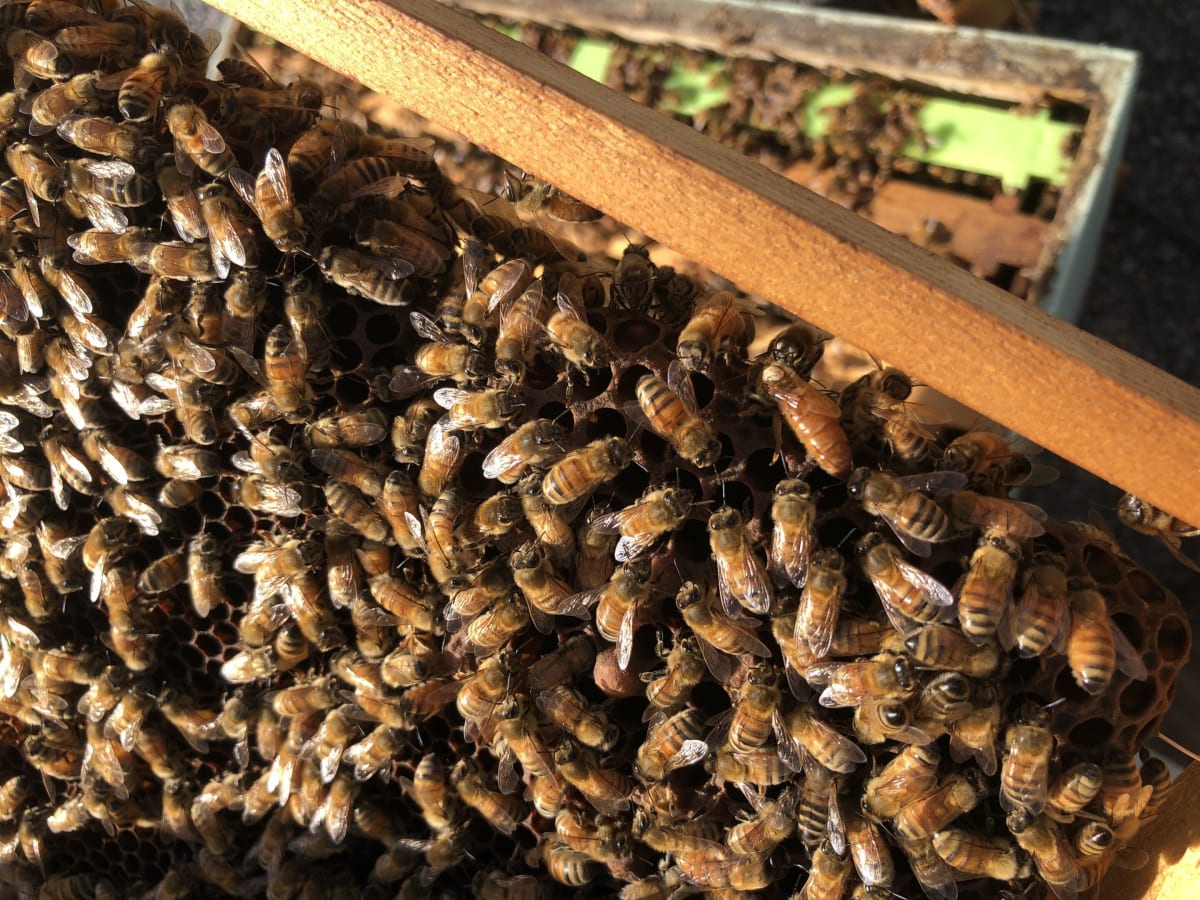
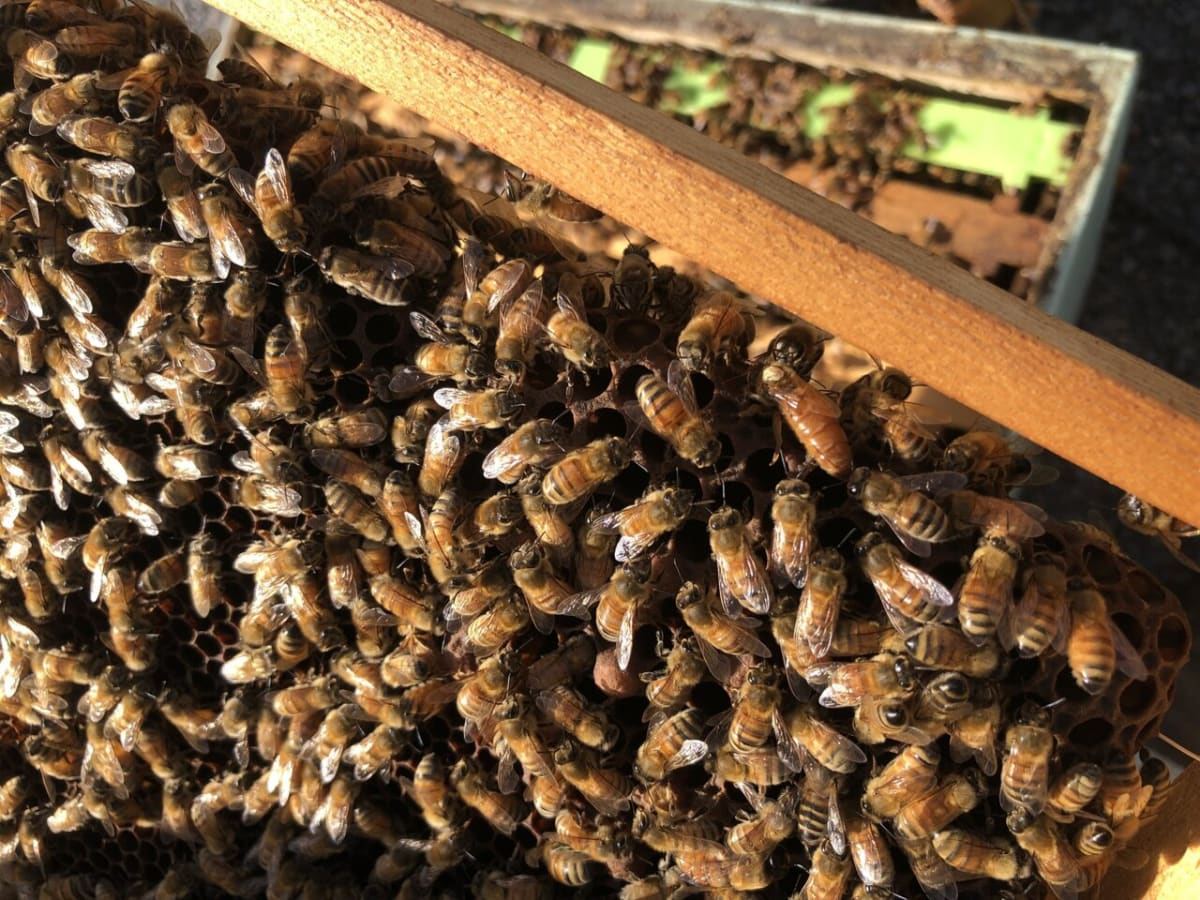
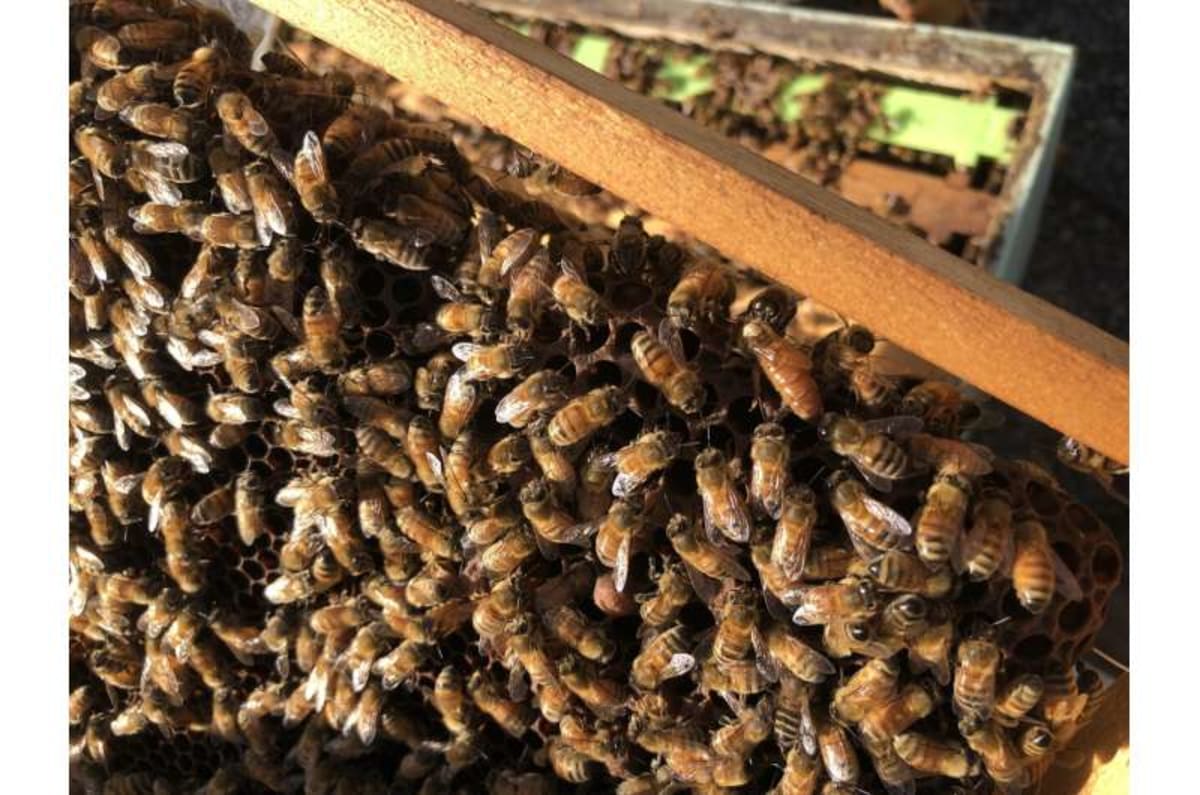
When honeybees in Australia gather nectar from a mix of native plants instead of just one flower type, they create something remarkable: honey with supercharged bacteria-fighting powers that could help save lives.
Researchers at the University of Sydney spent five years studying 56 honey samples from over 35 apiaries across bushfire-affected regions in New South Wales and Victoria. They discovered that mixed-flower honey killed dangerous bacteria even when diluted to just 10% strength.
The timing couldn't be better. The World Health Organization lists antimicrobial resistance as one of the top 10 global health threats, and Australia saw critical antibiotic resistance cases jump by more than 25% in 2024.
The study tested honey against golden staph and E. coli, two superbugs that have become resistant to our existing antibiotics. Over three-quarters of the honey samples made from native plants like eucalyptus successfully killed these bacteria.
What makes the mixed-flower honey so effective? Dr. Kenya Fernandes, the lead researcher, explains it's all about variety. Each plant's nectar has its own unique chemical signature, and when bees forage from multiple native sources, those compounds combine into a powerful antibacterial cocktail loaded with hydrogen peroxide, phenolics, and antioxidants.
Australia's native flora gives the honey a chemically distinct advantage. Eucalyptus species were the most common nectar source, followed by tea trees and paperbark plants.
The research also brings hope to regions devastated by the 2020 bushfires, which destroyed 9,809 hives completely and killed forager bees in 88,094 additional hives. As these ecosystems recover and biodiversity returns, the healing power of locally produced honey could strengthen too.
The Ripple Effect
This discovery connects environmental recovery, bee health, and human medicine in one beautiful circle. Supporting local beekeepers and restoring native plant diversity doesn't just help the environment. It creates medicine that bacteria can't easily outsmart because honey attacks germs through multiple chemical pathways at once, not just a single target.
Professor Dee Carter, co-author of the study, emphasizes that Australian beekeepers are struggling with bushfires, floods, and the varroa mite. This research shows their work matters beyond pollination and sweet treats.
The research team is now investigating how this honey can treat fungal skin infections in pets and humans, manage chronic urinary tract infections, and heal burn wounds. Australian honey is proving it can compete on the world stage not just as food, but as medicine.
Every jar of locally produced mixed-flower honey represents thousands of bee trips across diverse landscapes, creating natural medicine one flower at a time.
More Images
Based on reporting by Phys.org
This story was written by BrightWire based on verified news reports.
Spread the positivity!
Share this good news with someone who needs it