Korean Skincare Ingredient Kills Drug-Resistant Bacteria
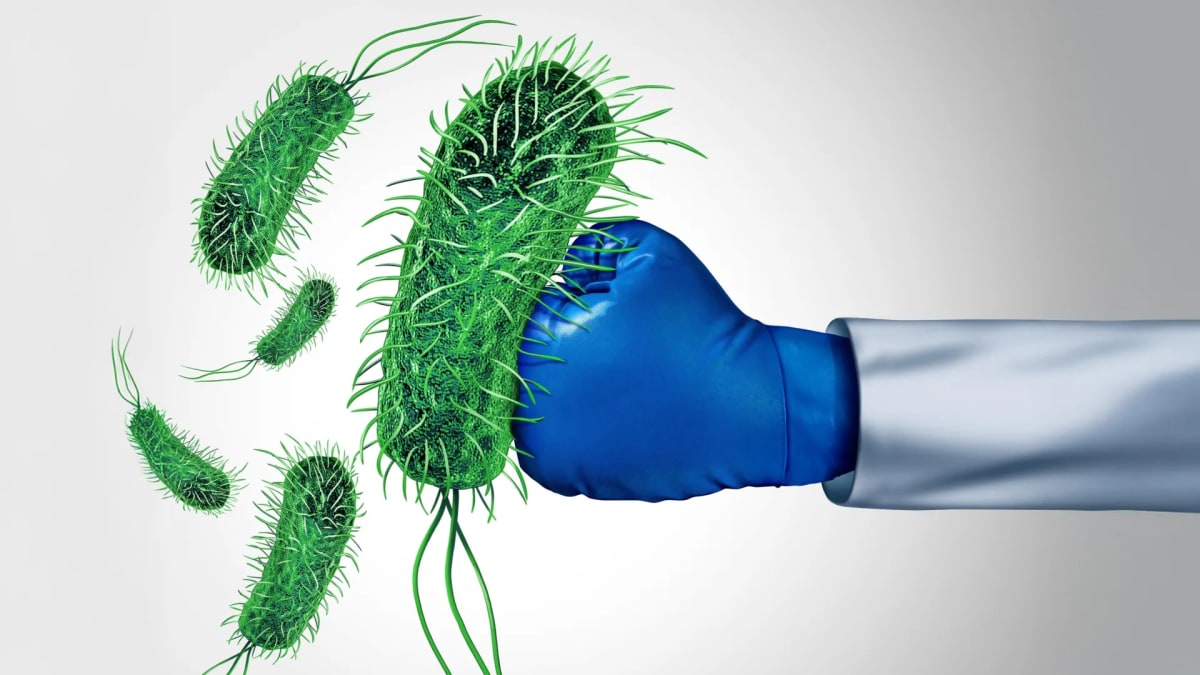
Scientists discovered that madecassic acid, a popular Korean skincare compound, can stop antibiotic-resistant bacteria like E. coli. The plant-based ingredient could become a new weapon against superbugs that are projected to cause 39 million deaths by 2050.
A calming ingredient in your face cream might hold the key to fighting one of the world's deadliest health threats.
Scientists at the University of Kent discovered that madecassic acid, a trendy Korean skincare compound, can kill drug-resistant bacteria. The plant-based ingredient comes from Centella asiatica, an Asian herb used in traditional medicine for centuries.
Working with researchers at University College London, the team tested madecassic acid against antibiotic-resistant E. coli strains. The results showed something remarkable: the compound stopped these dangerous bacteria in their tracks.
The timing couldn't be more critical. Antimicrobial resistance is growing worldwide, with experts warning that resistant infections could cause 39 million deaths between 2025 and 2050.
Here's what makes madecassic acid special: it targets a bacterial protein system called cytochrome bd complex that bacteria need for survival. Humans don't have this protein system, which means the compound could work without harming our cells.
The research team extracted the compound from a plant sample in Vietnam and created three modified versions. Each one successfully blocked bacterial growth, and one variant even killed E. coli at higher concentrations.
"Plants have been a source of natural medicines for millennia, and now contemporary research approaches can reveal the mechanisms of action," said Dr. Mark Shepherd, the study's lead author and Reader in Microbial Biochemistry at Kent. His team plans to continue refining these compounds to boost their effectiveness.
The Ripple Effect
This breakthrough does more than offer hope for new antibiotics. It shows how modern science can unlock healing secrets hidden in plants that traditional medicine has used for generations.
The discovery could also help researchers understand how madecassic acid affects the skin's natural bacteria when applied in lotions and serums. That knowledge might lead to better skincare products that work with our skin's microbiome instead of against it.
Developing new antibiotics is expensive and time-consuming, so finding promising compounds from natural sources gives scientists a valuable head start. The researchers published their findings in RSC Medicinal Chemistry and are already working on next steps.
From ancient herb to modern medicine, nature continues to surprise us with solutions we've been looking for all along.
Based on reporting by Google News - Scientists Discover
This story was written by BrightWire based on verified news reports.
Spread the positivity!
Share this good news with someone who needs it