Australian Reactor Makes Cancer Scans Safer, Cheaper
Scientists in Australia just cracked the code on producing a crucial medical imaging material with less waste and lower costs. The breakthrough could make cancer and heart disease diagnosis more accessible worldwide.
Every year, millions of patients rely on a tiny radioactive substance called molybdenum-99 to diagnose cancer, heart disease, and organ problems, but producing it has always been expensive and wasteful.
Scientists at the Australian Nuclear Science and Technology Organisation (ANSTO) just changed that. They developed a new cylindrical, porous target that produces molybdenum-99 more efficiently, uses less enriched uranium, and creates far less radioactive waste.
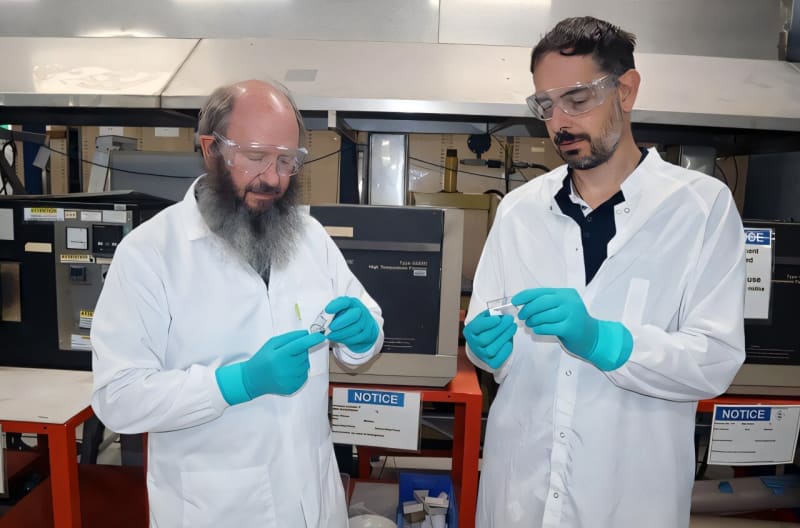
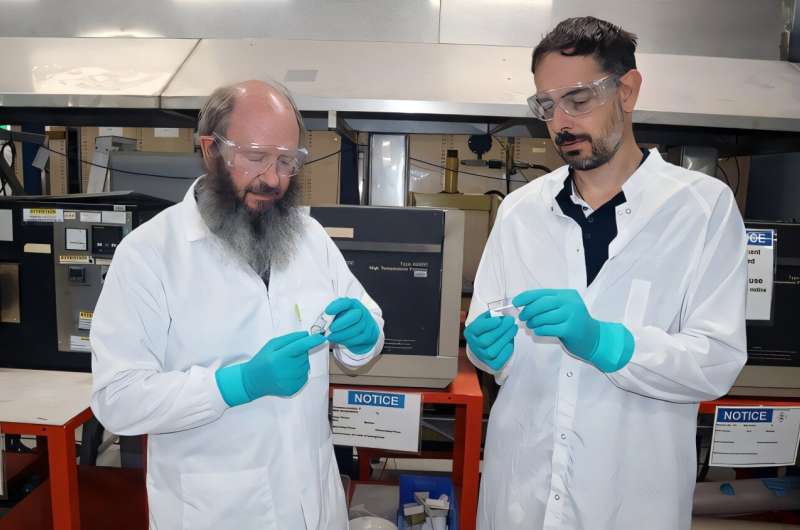
Dr. Robert Raposio and Professor Gordon Thorogood led the research at ANSTO's OPAL reactor, the facility that supplies all of Australia's medical community with this essential diagnostic material. Their innovation started with computer simulations testing three different target shapes: flat, spherical, and cylindrical.
The cylindrical design won. It produced the most molybdenum-99, maintained stable performance over time, and generated the least unwanted byproducts. Better yet, heat levels stayed low across all designs, meaning overheating wouldn't be a problem.
The real genius lies in the target's porous structure. When uranium-235 undergoes fission inside the reactor, it ejects the molybdenum-99 into tiny pores where technicians can wash it out using liquid that works with ANSTO's existing extraction system. No major overhauls needed.
Once the uranium is exhausted, ANSTO can safely dispose of it using their Synroc waste encapsulation technology. The entire process becomes cleaner from start to finish.
The Ripple Effect
This breakthrough matters beyond Australia's borders. Molybdenum-99 decays into technetium-99m, one of the most commonly used nuclear imaging agents worldwide. Making it cheaper and more sustainable means more hospitals can afford the scans that catch diseases early.
The research yielded four papers, three patents, and a doctorate for Dr. Raposio, who now works as ANSTO's Process Performance Manager. He continues refining the production process alongside nuclear chemists Dr. Jessica Veliscek-Carolan and Dr. Tim Ablott.
The team isn't stopping there. They're exploring whether accelerator-based neutron systems could produce molybdenum-99 on a smaller scale than reactor-based production, potentially bringing this life-saving diagnostic tool to facilities that can't operate full nuclear reactors.
From computer simulations to real-world testing in one of the world's most advanced research reactors, this Australian team turned a decades-old production challenge into an elegant solution that puts patients first.
More Images


Based on reporting by Phys.org - Technology
This story was written by BrightWire based on verified news reports.
Spread the positivity!
Share this good news with someone who needs it