Australian Researchers Cut Melanoma Deaths By Nearly 20%
Two Australian scientists transformed melanoma from a death sentence into a treatable disease, saving hundreds of lives each year. Their breakthrough immunotherapy approach now gives patients a 55% survival rate where there was once almost no hope.
When Richard Scolyer and Georgina Long started working on melanoma in the early 2000s, more than 90% of patients whose cancer had spread died within five years. Today, thanks to their groundbreaking research, over half are still alive after five years.
The pathologist and epidemiologist duo didn't just study melanoma. They revolutionized how doctors treat it by combining immunotherapy drugs in ways no one had tried before.
Their biggest discovery came from asking a simple question: What if we gave patients these powerful drugs before surgery instead of after? That timing change transformed outcomes completely.
In clinical trials, 42% of patients with melanoma that had spread to their brain were still alive seven years later. For context, these were people doctors had previously told to get their affairs in order.
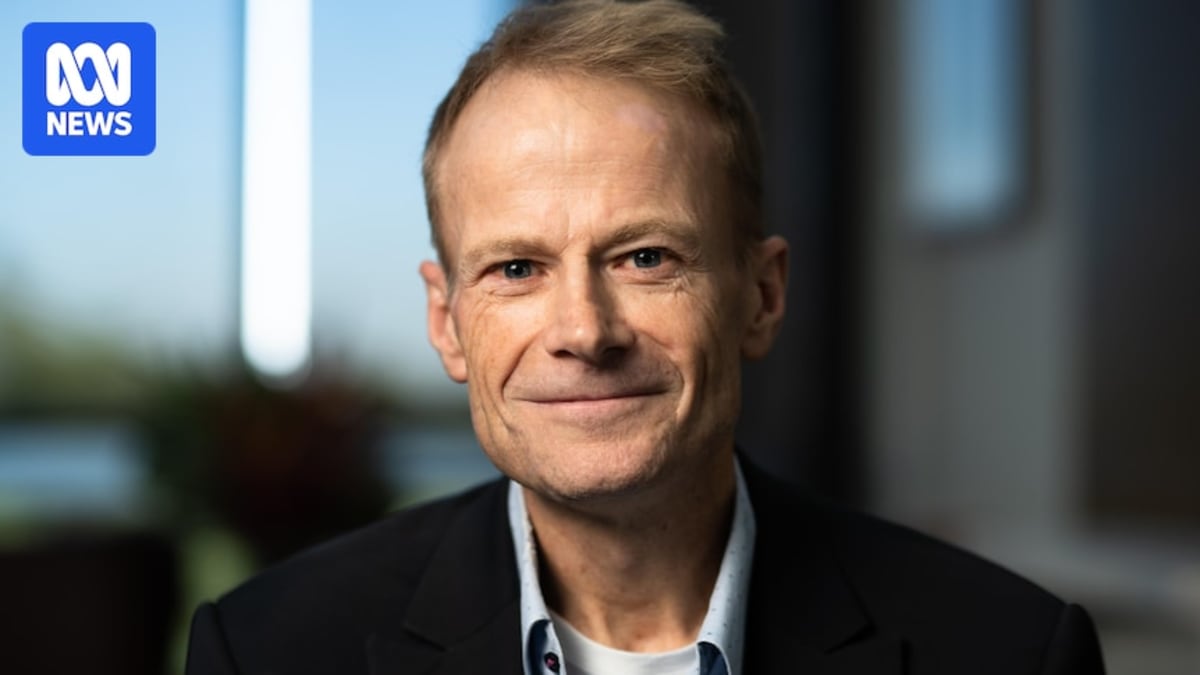
Professor Scolyer worked at the Melanoma Institute Australia, splitting his time between diagnosing cases and conducting research. He realized the hospital's wealth of patient samples could unlock better treatments.
Together with Professor Long, he created one of the world's largest melanoma biobanks in 1998. This collection of tissue samples helped scientists understand the genetic changes that cause melanoma to develop and spread.
The research paid off spectacularly. Australia still has the world's highest melanoma rates, but deaths dropped from over 1,600 in 2013 to about 1,300 in 2023.
The Ripple Effect
The impact reaches far beyond Australia's borders. The diagnostic frameworks Professor Scolyer developed are now used by pathologists worldwide to classify and treat melanoma more accurately.
His work as a mentor shaped an entire generation of cancer researchers. Colleagues called him the "pathologists' pathologist" who always made time to help clinicians navigate complex cases.
The duo set an audacious goal in 2017: zero deaths from melanoma in Australia. While that target hasn't been reached yet, they proved it's possible to dramatically reduce deaths from a cancer that once seemed unstoppable.
Professor Scolyer passed away in June 2026 at age 59, but his legacy lives in every melanoma patient who now has real hope for survival. He and Professor Long shared the title of Australian of the Year in 2024 for transforming cancer care.
Their work shows what's possible when researchers focus on real patient outcomes instead of just publishing papers.
More Images



Based on reporting by ABC Australia
This story was written by BrightWire based on verified news reports.
Spread the positivity!
Share this good news with someone who needs it