Australian River Named First Author on Academic Papers
A conservation researcher in Australia is listing the Martuwarra Fitzroy River as the lead author on her scientific publications, challenging Western views of knowledge and honoring Indigenous traditions. The river even has its own research identifier, with seven papers published so far.
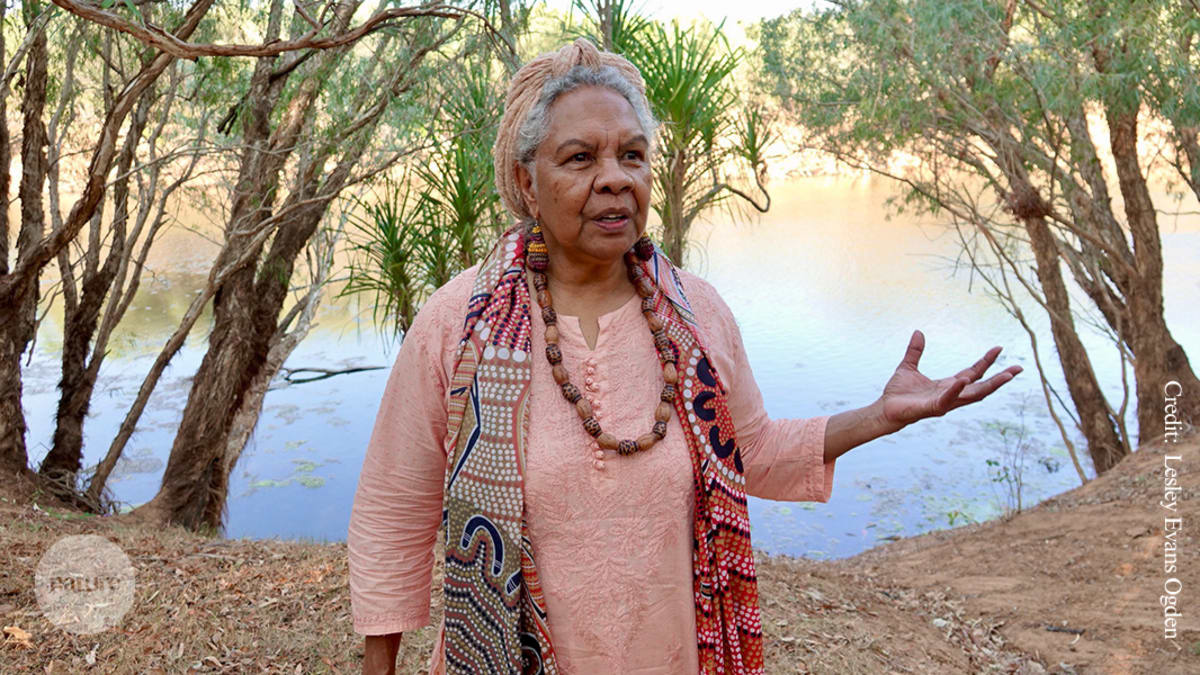
An ancient river in Western Australia is getting credit where credit is due. Conservation researcher Anne Poelina has made the Martuwarra Fitzroy River the first author on her academic papers, recognizing it as a true source of knowledge and expertise.
Poelina, a Nyikina Warrwa woman whose people are Traditional Custodians of the 735-kilometer river, says the decision honors the deep connection between Indigenous communities and their ancestral lands. "In terms of property rights, the river owns me," she explains. "So I have a duty of care to protect this river's right to life."
The Martuwarra is one of Australia's last intact, undammed tropical river systems. It winds through the Kimberley region's dramatic landscape of steep gorges, savannahs, and flood plains before reaching the Indian Ocean.
Since 2020, Poelina has listed the Martuwarra River of Life as lead author on her publications at the University of Notre Dame in Broome. One paper notes that "without Country, without the River, and its complex, multi-layered, and ever-evolving inter-relationships with its custodians, there would not be a paper."
Water law specialist Erin O'Donnell calls the move profoundly significant. "It's hard to overstate the significance of having Martuwarra as the first author on academic papers," she says. The practice challenges colonial views of what knowledge is and who holds it.
Copy editors have sometimes tried to remove the river's authorship, not understanding its legitimacy. But after appeals, the river's contributions have been recognized and restored.
The river now has its own ORCID research identifier, meaning its seven publications and their citations can be tracked just like any human researcher. This formal recognition follows a global trend of granting rivers legal personhood, similar to New Zealand's Whanganui River in 2017 and Colombia's Amazon River in 2018.
The Ripple Effect
Poelina's work goes beyond symbolic gestures. She collaborates with over 40 Indigenous knowledge holders to document the river's cultural and biological diversity through a digital Living Water Heritage Story Map. The project combines ancient wisdom with Western science to protect the river from threats including agricultural irrigation, proposed gas fracking, and climate change impacts.
By making the river a co-author, Poelina connects multiple Indigenous First Nations as caretakers for their shared Country. The practice honors the Indigenous understanding that land and water aren't just resources to be used but living entities with their own rights and knowledge to share.
Science is slowly learning what Indigenous peoples have always known: nature itself is a teacher.
More Images



Based on reporting by Nature News
This story was written by BrightWire based on verified news reports.
Spread the positivity!
Share this good news with someone who needs it