Scientists Build Climate-Proof Apples in New York
Researchers are creating apple tree roots that can survive wild weather swings and droughts threatening America's $23 billion apple industry. Their 30-year breeding program is building orchards that will thrive for decades to come.
Apple trees across America are getting a makeover from the ground up, and it could save your favorite fruit from disappearing.
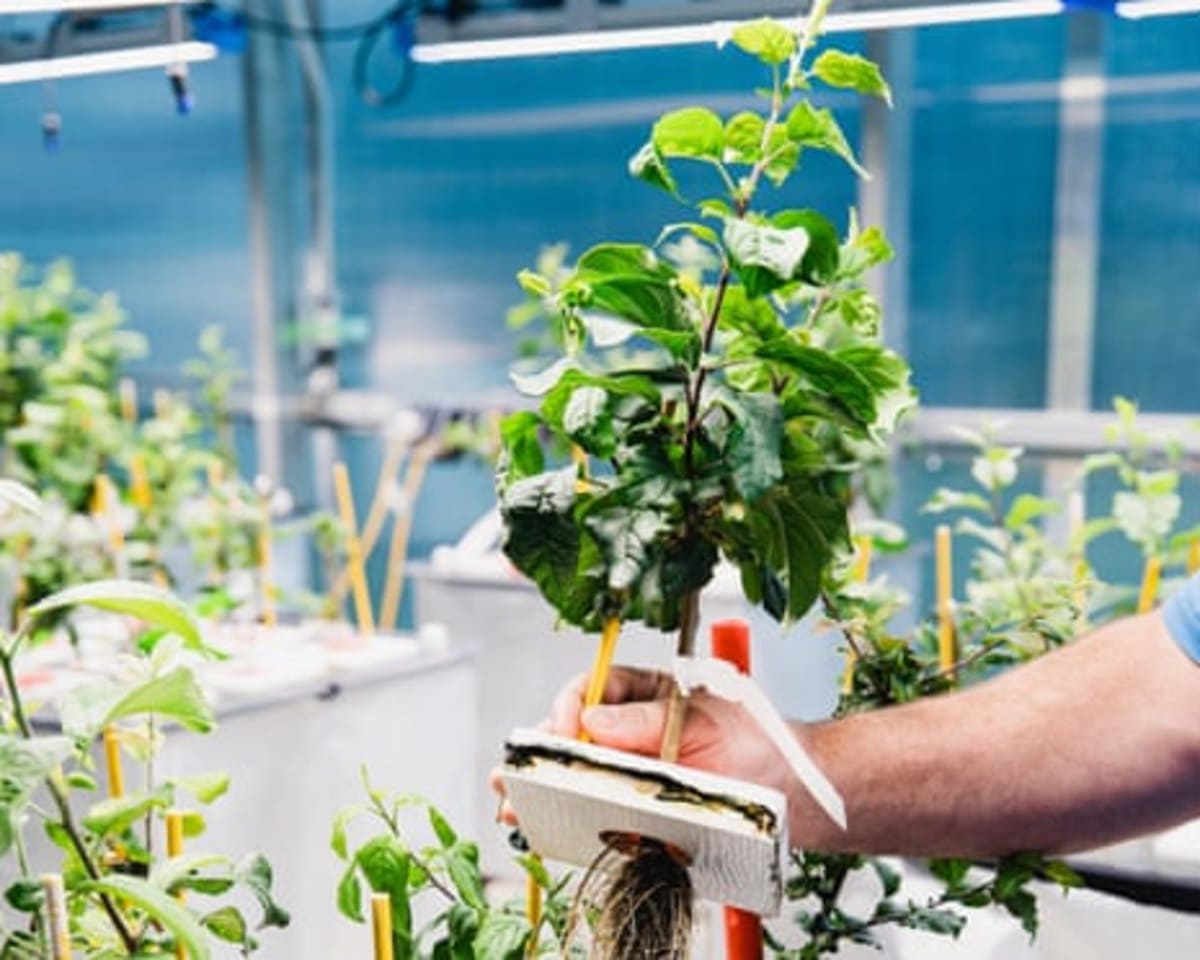
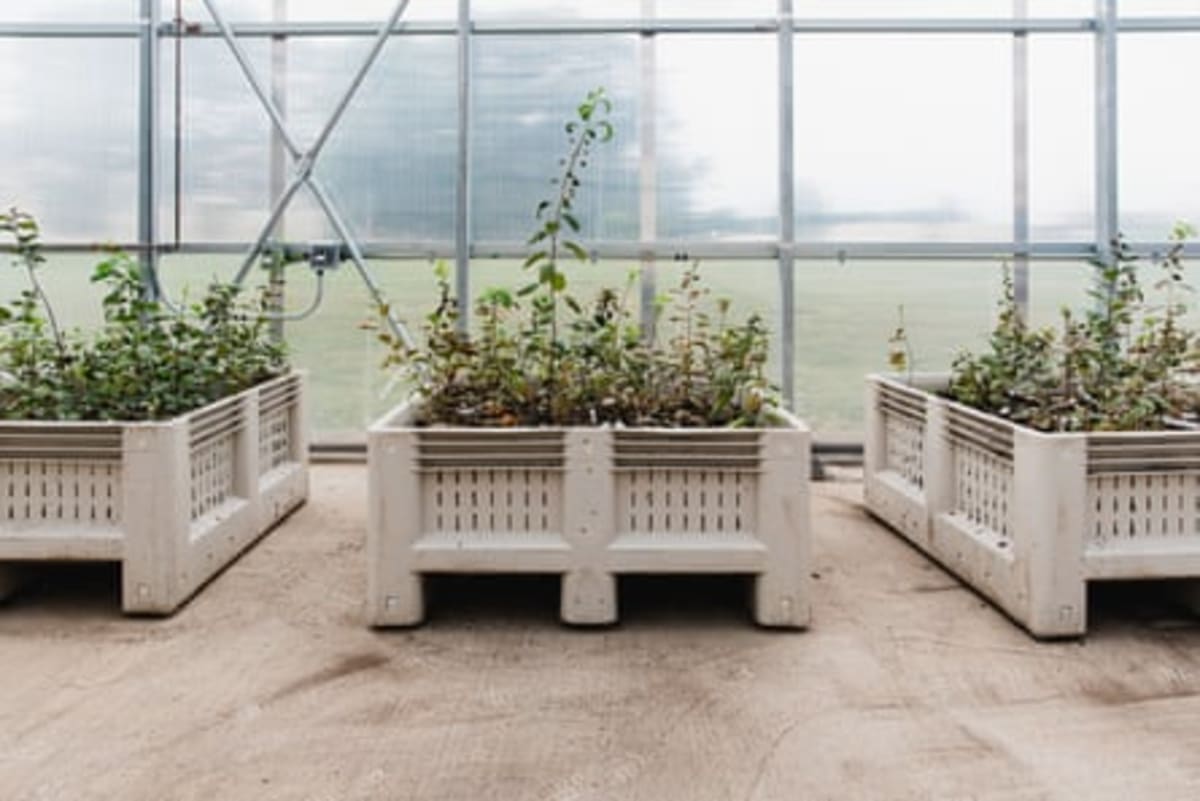
Scientists at Cornell University and the USDA are developing supercharged apple tree roots that can withstand the extreme weather threatening orchards nationwide. It's a quiet revolution happening at a research station in Geneva, New York.
Professor Terence Robinson remembers when the problem became impossible to ignore. In February 2015, temperatures in northeastern apple country plunged 65 degrees in just days. Spring revealed the damage: thousands of trees shocked into decline, their roots unable to handle the temperature whiplash.
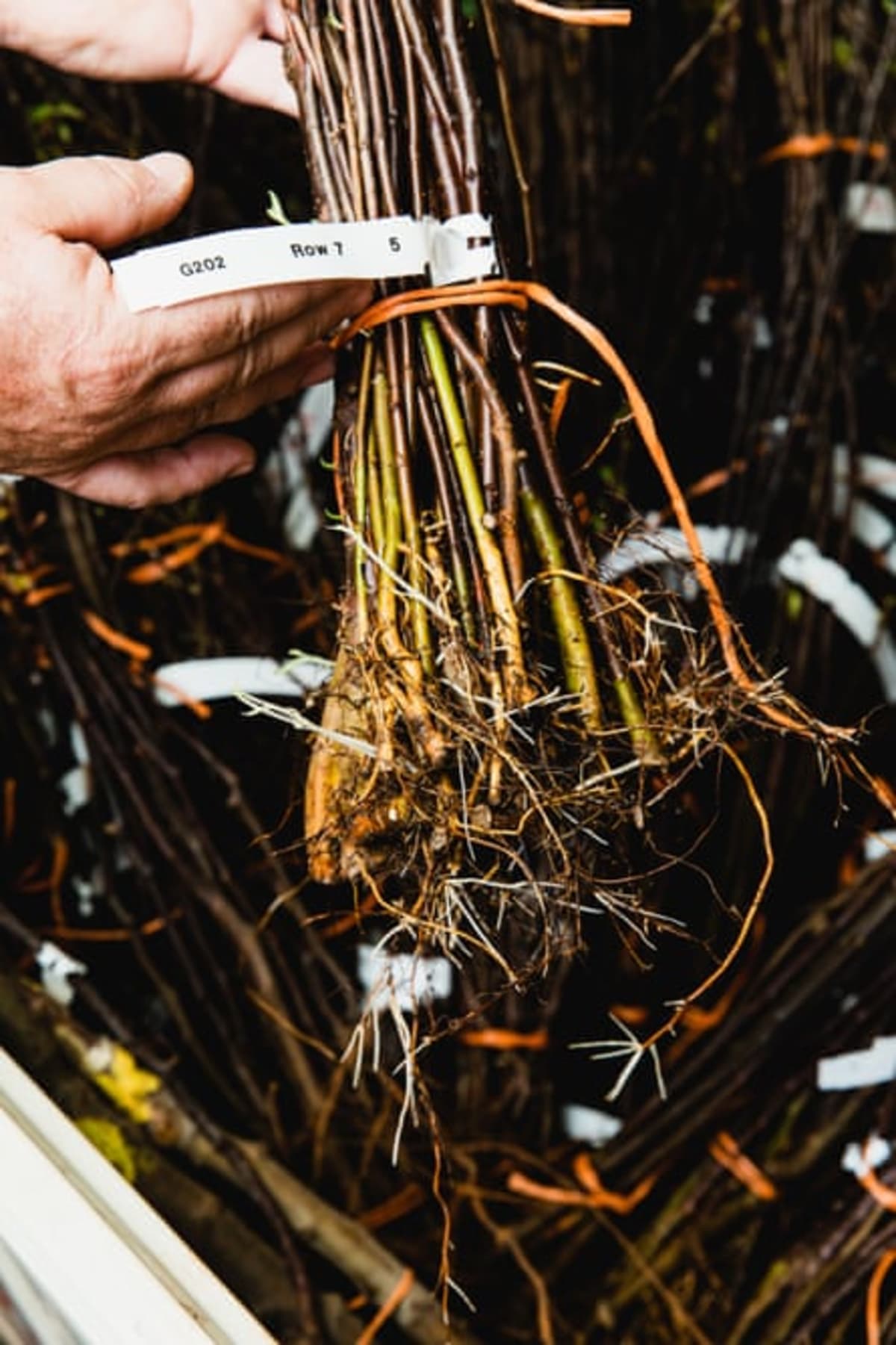
The challenge runs deep, literally. Nearly every commercial apple tree is actually two plants grafted together. The top part produces the fruit we eat, while the bottom rootstock controls important traits like tree height and disease resistance.
Here's the catch: many popular rootstocks were developed over a century ago in England. They weren't designed for a world where Arctic cold snaps reach Michigan in winter and droughts bake Washington summers.
Robinson and USDA scientist Gennaro Fazio co-lead North America's only program creating new rootstocks for commercial growers. Since 1968, they've been crossing and testing trees to find combinations that can handle tomorrow's climate while still producing plenty of apples.
The work demands extraordinary patience. Developing a single new rootstock takes 30 years or more. Scientists must cross parent trees, screen thousands of offspring for desired traits, then verify the winners perform well in real orchards across different climates.
Cornell didn't release its first commercial variety until 1997. Three varieties launched in 2023 started as crosses made in the 1970s. Robinson has devoted his career to the program since 1991.
The Ripple Effect
The investment protects more than just apples. America's apple industry generates $23 billion in annual economic activity and employs thousands from Washington to Pennsylvania. When growers plant a new orchard, they're betting on 15 to 30 years of harvests from those trees.
New research shows why that bet is getting riskier. Spring and fall temperatures are warming across apple-growing regions, making trees wake up earlier and go dormant later. That creates a longer window when surprise cold snaps can devastate orchards.
Damaging winter temperature swings have hit prime apple areas four times since 2015. Each event threatens grower livelihoods and local economies built around harvest seasons.
The Geneva program now breeds rootstocks for drought resistance, salt tolerance, and the ability to handle milder winters alongside sudden freezes. These new foundations will anchor orchards through climate conditions their century-old predecessors never faced.
Washington State professor Lee Kalcsits, who directs a national project protecting fruit trees from extreme weather, says the secret is breeding without a specific climate in mind. Tomorrow's rootstocks need flexibility built in.
The scientists are giving apple growers something precious: the confidence to plant today knowing their trees will thrive decades into an uncertain future.
More Images

Based on reporting by Guardian Environment
This story was written by BrightWire based on verified news reports.
Spread the positivity!
Share this good news with someone who needs it