New Battery System Reaches 95% Discharge for Cleaner Energy
A major breakthrough in energy storage could help businesses switch to renewable power without sacrificing reliability. Chinese manufacturer Growatt just launched a battery system that uses 95% of its stored energy, making clean power more practical and affordable.
Getting businesses off fossil fuels just got easier thanks to a new battery system that squeezes more power from every charge.
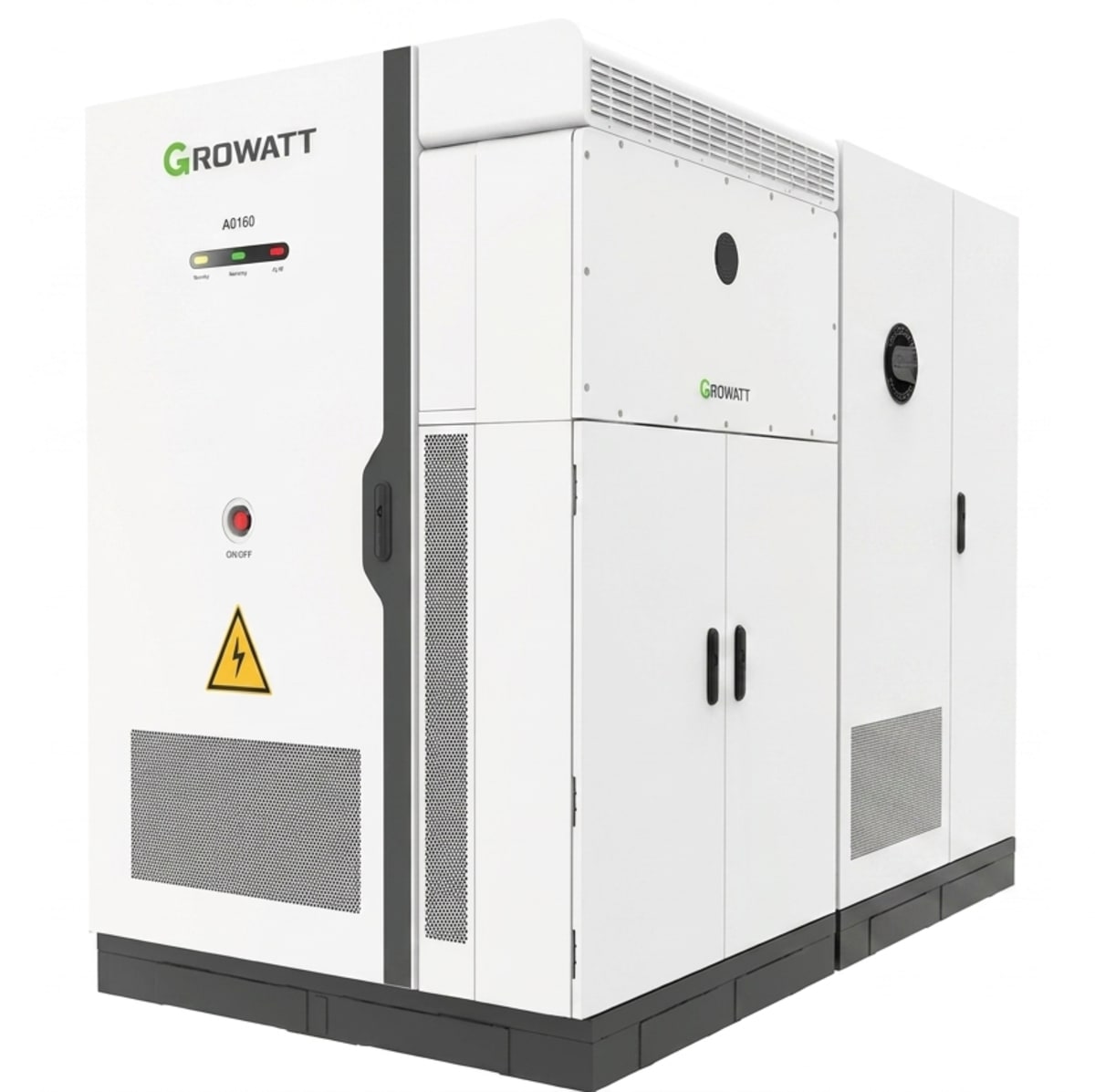
Chinese energy company Growatt unveiled its RISE 261H-XH storage system, designed specifically for commercial buildings and industrial sites. The breakthrough feature is its 95% depth of discharge, meaning it can use nearly all its stored energy before needing to recharge.
The system comes in four sizes, from 50 kilowatts to 125 kilowatts of output power, all built on the same 261 kilowatt-hour battery platform. For larger facilities, up to 10 units can work together, storing enough electricity to power hundreds of homes.
At the heart of the system sits a lithium iron phosphate battery cooled by liquid to maintain steady temperatures. The smart cooling keeps all battery cells within 3 degrees Celsius of each other, ensuring consistent performance whether installed in desert heat or mountain cold.
The system switches between grid power and battery backup in just 10 milliseconds, fast enough that computers and equipment never notice the change. It handles unbalanced electrical loads and can deliver 160% of its rated capacity for short bursts when needed.
Businesses can use the system for multiple purposes: storing solar energy during the day, avoiding expensive peak electricity rates, providing backup power during outages, or reducing reliance on diesel generators. The flexibility means companies can adapt their energy strategy as needs change.
The Ripple Effect
This technology arrives at a critical moment for climate progress. Commercial and industrial buildings account for nearly half of global electricity use, and helping them switch to renewable energy creates massive carbon reductions.
More efficient batteries mean businesses need less storage capacity to achieve the same backup power, lowering upfront costs. That makes clean energy economically attractive even for companies not motivated primarily by environmental concerns.
The system works in challenging conditions too, operating in temperatures from negative 25 to 55 degrees Celsius and at altitudes up to 3,000 meters. This rugged design opens renewable energy options for businesses in harsh climates previously dependent on diesel fuel.
As battery technology improves and costs drop, the economic case for renewable energy strengthens everywhere. Each advancement brings clean power closer to becoming the default choice rather than the premium option.
More Images

Based on reporting by PV Magazine
This story was written by BrightWire based on verified news reports.
Spread the positivity!
Share this good news with someone who needs it