Australian Schools Embed Indigenous Learning Year-Round
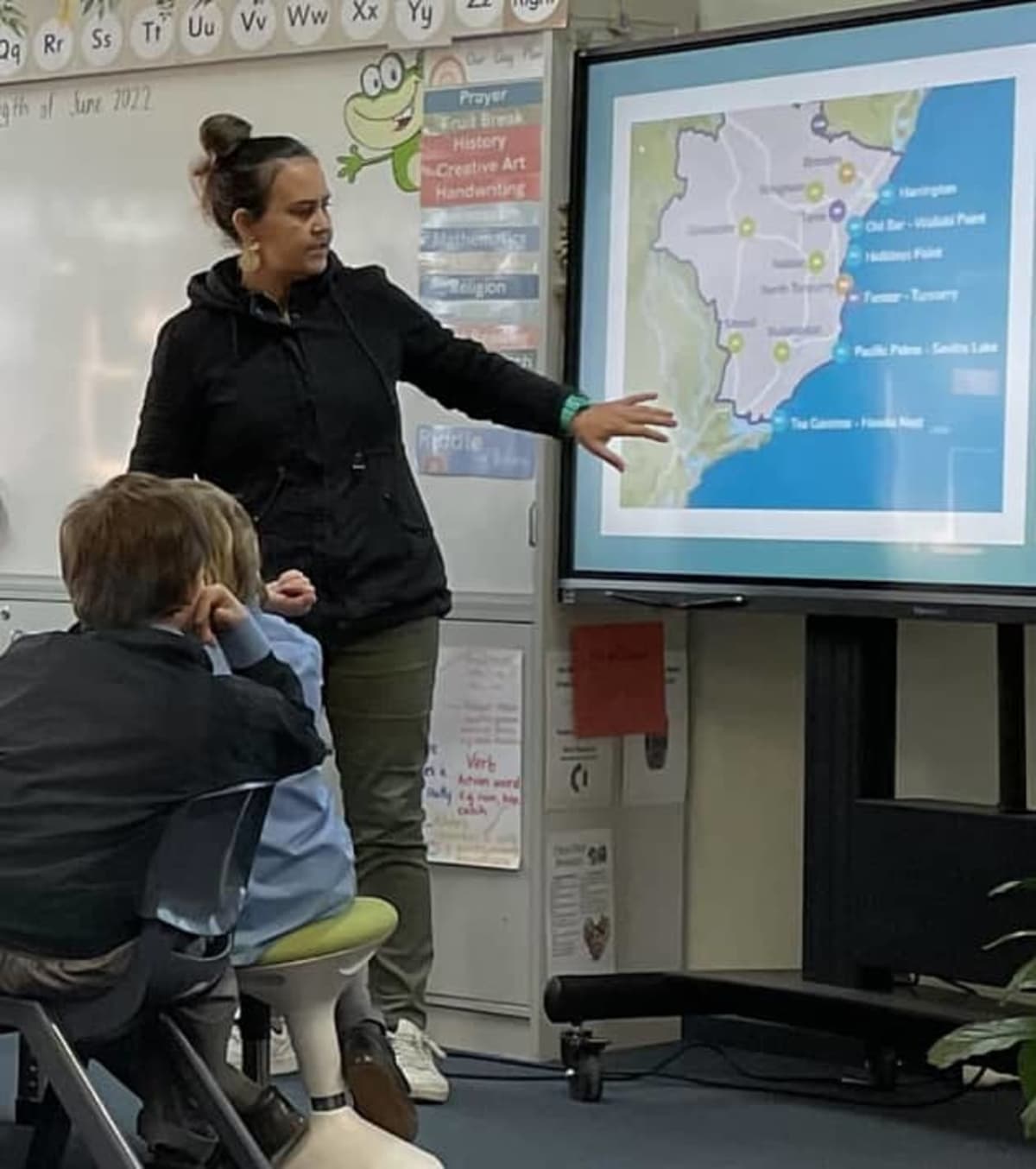
Schools across Australia are moving beyond one-week recognition to weave Aboriginal and Torres Strait Islander histories into everyday lessons. New classroom resources developed with Indigenous advisors are helping teachers spark meaningful conversations with students of all ages.
Children are coming home from school and teaching their parents about Australia's First Nations history for the first time, creating powerful moments of shared learning across generations.
Australian schools are transforming how they teach reconciliation, moving away from single-week acknowledgments toward year-round Indigenous education embedded in daily lessons. Education publisher Twinkl just released a Welcome to Country activity pack developed with Aunty Joy Murphy and Indigenous content advisors, giving teachers practical tools to bring First Nations stories into their classrooms.
The timing matters. Many of today's parents never learned Aboriginal and Torres Strait Islander perspectives in their own schooling, so their children are introducing this knowledge at home. Students now discuss figures like Pemulwuy and his resistance against colonization, Aboriginal scientific understanding of natural processes, and the crucial role of Aboriginal guides in early exploration.
Belinda Huntriss, an Aboriginal Content Advisor at Twinkl, says teachers should regularly reflect on their cultural responsiveness. She recommends the Indigenous Cultural Responsiveness Continuum, a tool that helps educators examine their practices and strengthen how they support Aboriginal students while deepening all students' understanding of First Nations histories.
The approach requires sensitivity and accurate historical evidence. Huntriss emphasizes that reconciliation education must be age-appropriate and aligned with curriculum outcomes, while encouraging teachers to challenge their own biases and reflect on how their backgrounds influence their teaching.
The Ripple Effect
The progress extends beyond individual classrooms. Schools now have access to more authentic resources and meaningful opportunities to learn directly from Aboriginal and Torres Strait Islander people than ever before. These changes create culturally safe learning environments where students can engage in honest discussions about shared histories.
The work addresses ongoing inequities too. Lower attendance rates and achievement gaps among Aboriginal students connect directly to colonization's lasting impacts, including intergenerational trauma and harmful historical policies like the Stolen Generations. Reconciliation education helps students understand these connections while building shared understanding.
Huntriss stresses that reconciliation isn't the responsibility of Indigenous peoples alone. Everyone must actively engage in truth-telling and ongoing action, starting with classroom conversations that students carry home to their families.
Schools are proving that reconciliation can become part of everyday learning when educators commit to the work year-round.
Based on reporting by Google News - Reconciliation
This story was written by BrightWire based on verified news reports.
Spread the positivity!
Share this good news with someone who needs it