Australian Scientists Stop Food Fraud With Nuclear Tech
A Sydney lab uses nuclear science to verify where fish really comes from, protecting consumers from billions in food fraud. The breakthrough helps ensure Australians get what they pay for when buying premium seafood.
Imagine paying premium prices for Australian barramundi, only to discover it's actually farmed fish from overseas. Thanks to scientists south of Sydney, that deception is getting much harder to pull off.
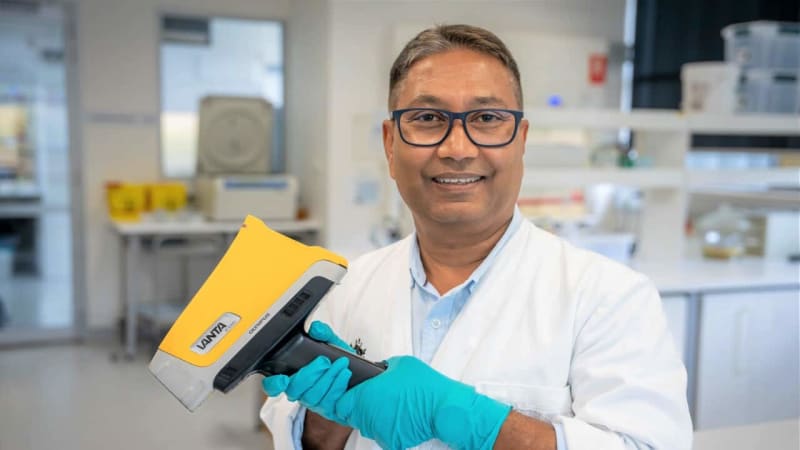
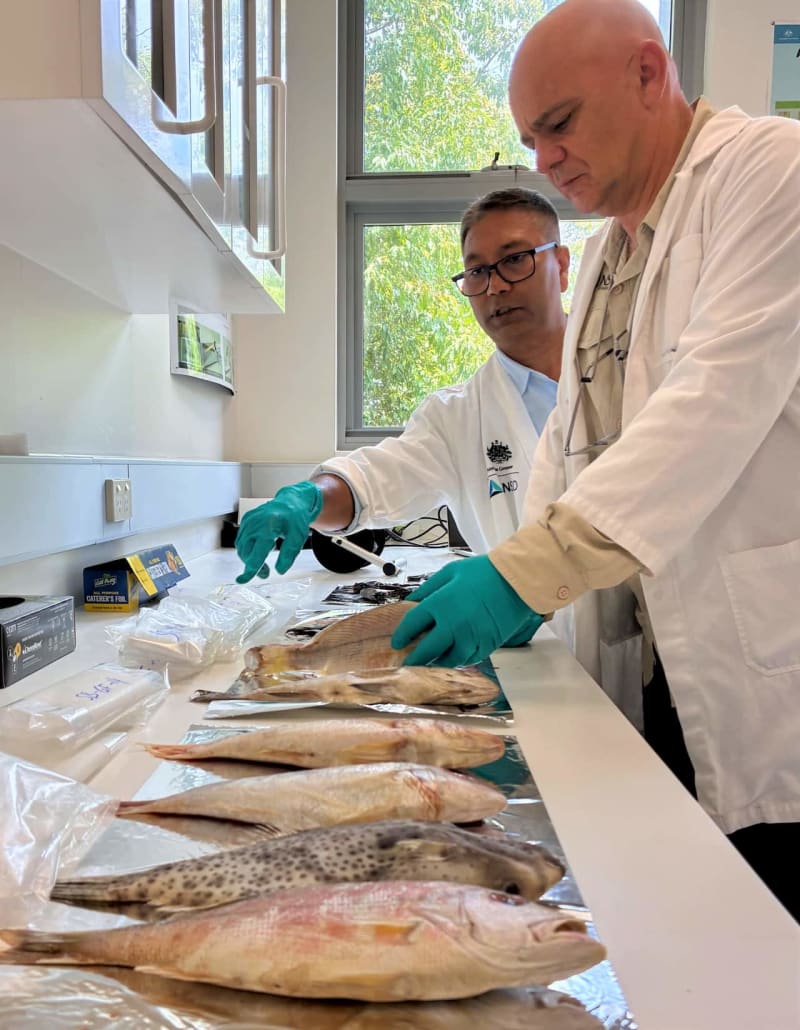
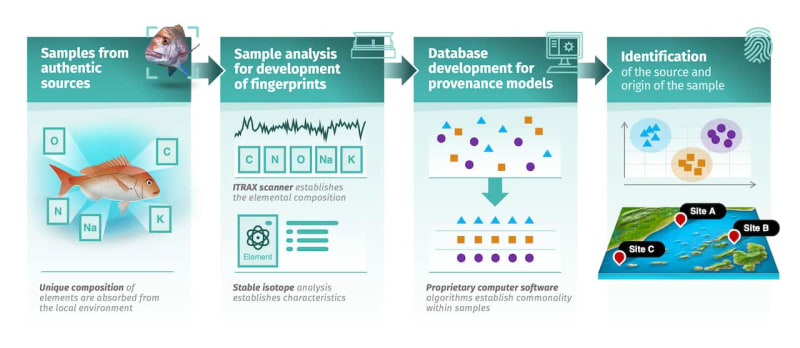
Dr. Debashish Mazumder and his team at the Australian Nuclear Science and Technology Organisation have spent a decade developing a powerful solution to food fraud. Their technology reads the environmental "fingerprint" hidden in every piece of seafood, revealing exactly where it grew up.
The process is surprisingly quick. Mazumder places a thin slice of frozen fish onto a tray, and moments later, his laptop displays a unique combination of trace elements like copper and calcium. A machine learning algorithm matches this chemical signature against known fishing grounds, confirming whether that snapper truly came from Australian waters or somewhere else entirely.
Food fraud costs Australia up to $3 billion annually, with seafood among the highest risk products. Globally, the problem reaches $73 billion each year as supply chains grow more complex and harder to police.
The stakes go beyond money. Nearly five million Australians get sick from contaminated food each year, making origin verification a matter of public health.
Mazumder's team has already analyzed 59 different seafood species with 85 percent accuracy. They've adapted portable scanners from the mining industry that can be deployed anywhere, from fish markets to processing plants.
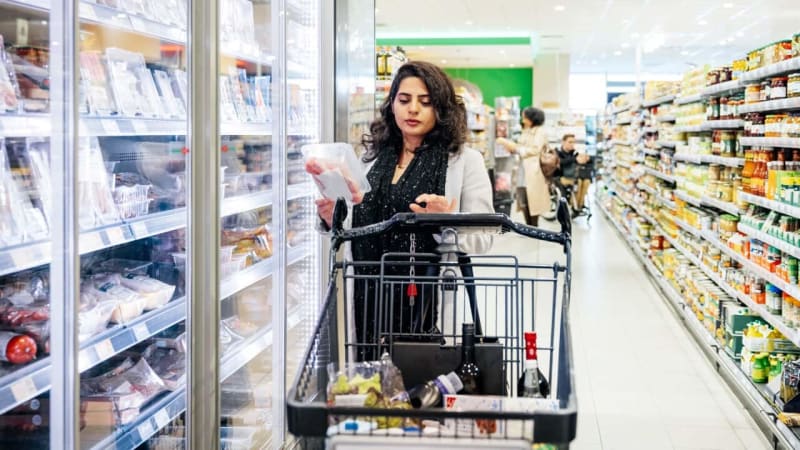
Australia imports 60 percent of its seafood, creating multiple opportunities for mislabeling. Cheaper imported fish can be swapped for premium Australian catches, or Australian products sold overseas might be counterfeited entirely.
New laws starting this July will require restaurants and cafes to label seafood as Australian, imported, or mixed. But enforcing these rules requires proof, which is exactly what this technology provides.
The Ripple Effect
This breakthrough reaches far beyond protecting dinner plates. Australia's $4 billion seafood industry employs over 17,000 people who depend on the country's reputation for quality and safety.
When fraudsters mislabel cheap imports as premium Australian seafood, they undercut legitimate fishers and farmers who follow strict environmental and safety standards. Mazumder's work helps preserve trust in an industry known worldwide for responsible fisheries management.
The same technology works on other foods too, from honey to wine. As scientists build larger databases of environmental fingerprints, consumers and businesses gain a powerful weapon against fraud.
Australian seafood lovers can soon buy their festive prawns with greater confidence, knowing science has their back.
More Images

Based on reporting by SBS Australia
This story was written by BrightWire based on verified news reports.
Spread the positivity!
Share this good news with someone who needs it