Australian Scientists Train Foxes to Avoid Turtle Nests
Researchers in Australia are teaching invasive foxes to avoid turtle nests using vanilla-scented fake eggs that make them sick. Early results show this humane approach reduces nest attacks by up to 90%.
Australian scientists have found a clever way to protect endangered freshwater turtles without harming a single fox. They're using fake eggs, vanilla spray, and a touch of nausea to teach predators to leave turtle nests alone.
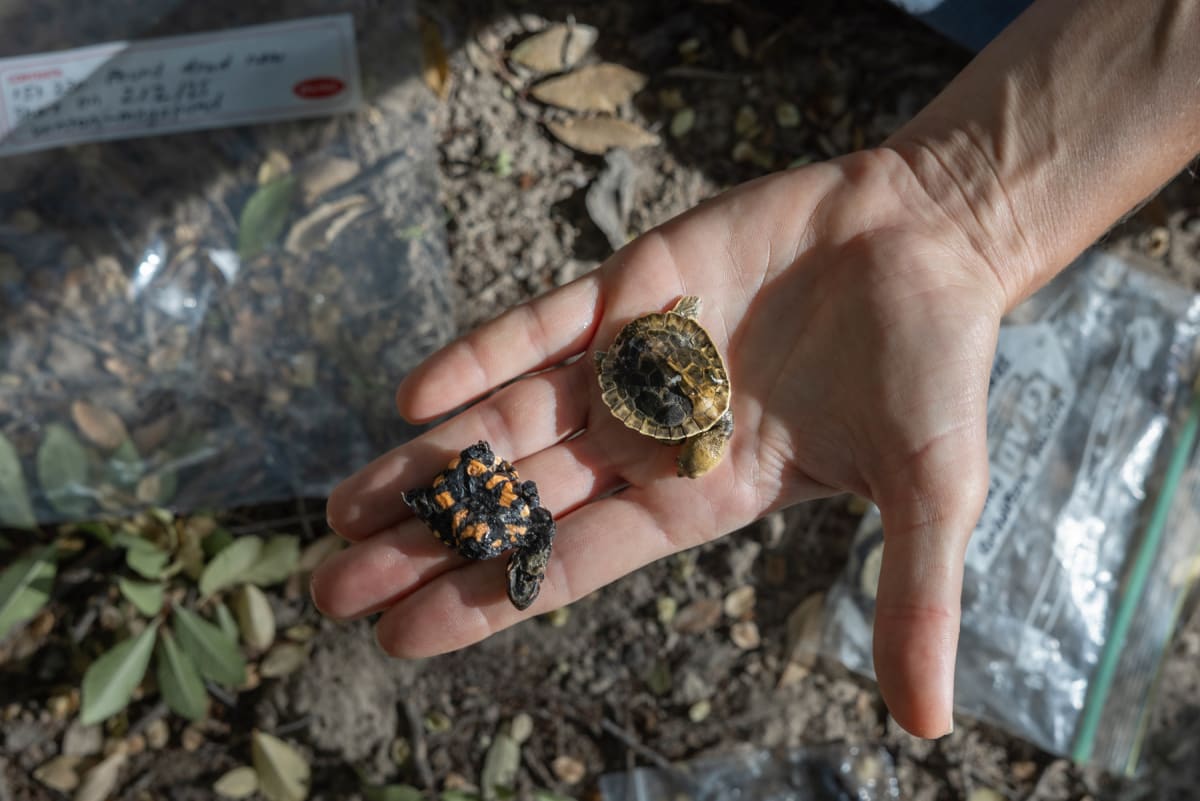
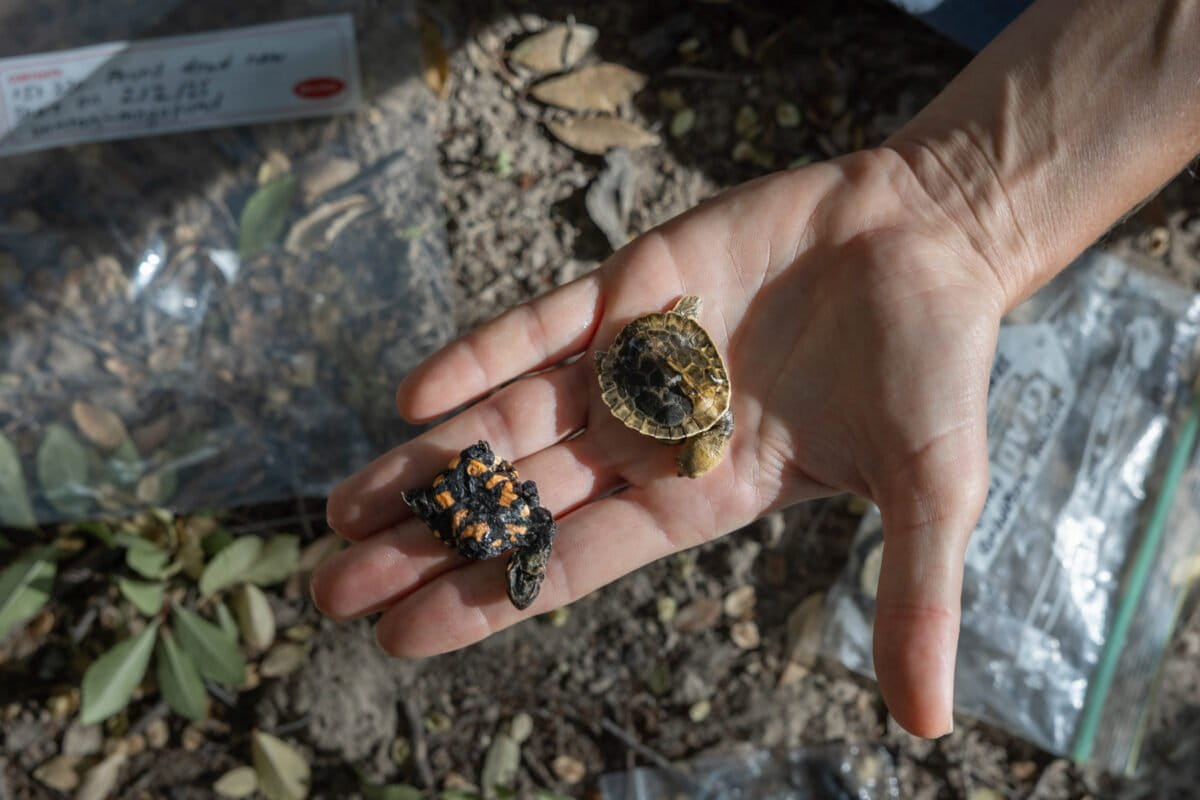
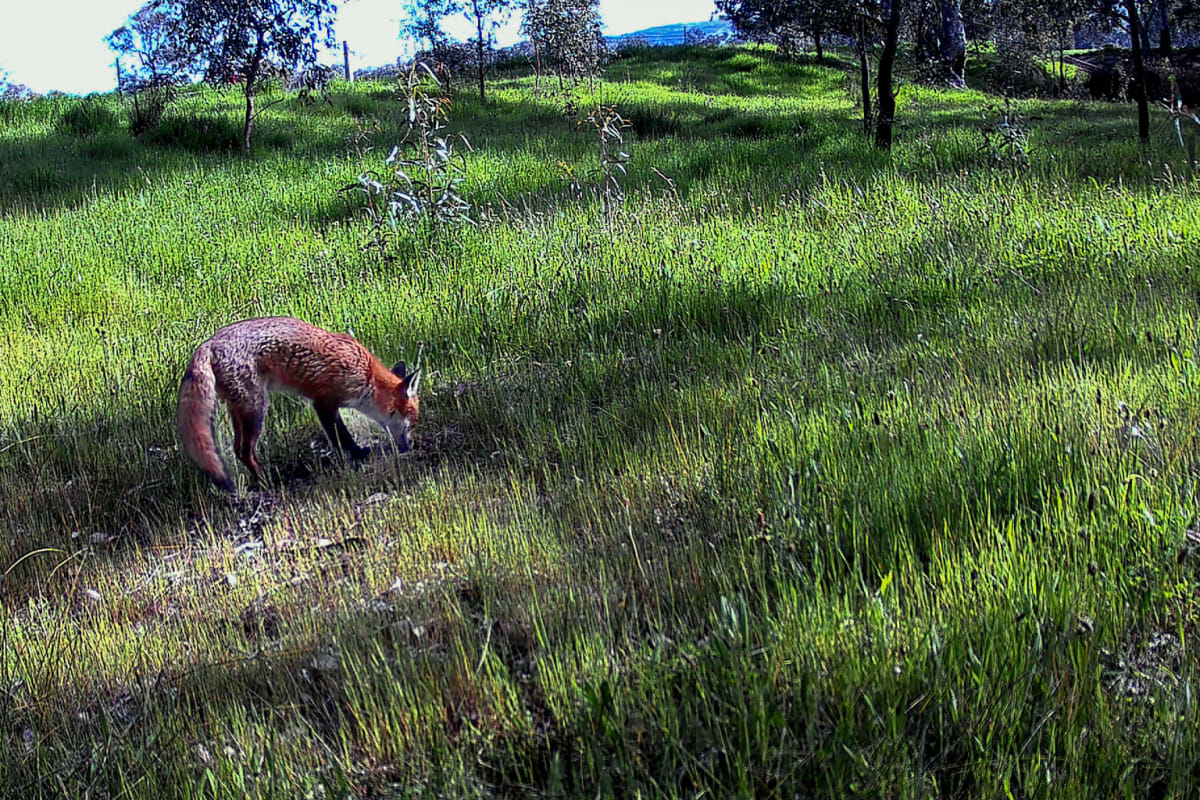
The Murray-Darling Basin is home to three native turtle species whose populations have plummeted up to 91% since the 1970s. Red foxes, introduced by settlers in 1870 for sport hunting, have become their biggest threat, digging up nests and eating eggs faster than turtles can reproduce.
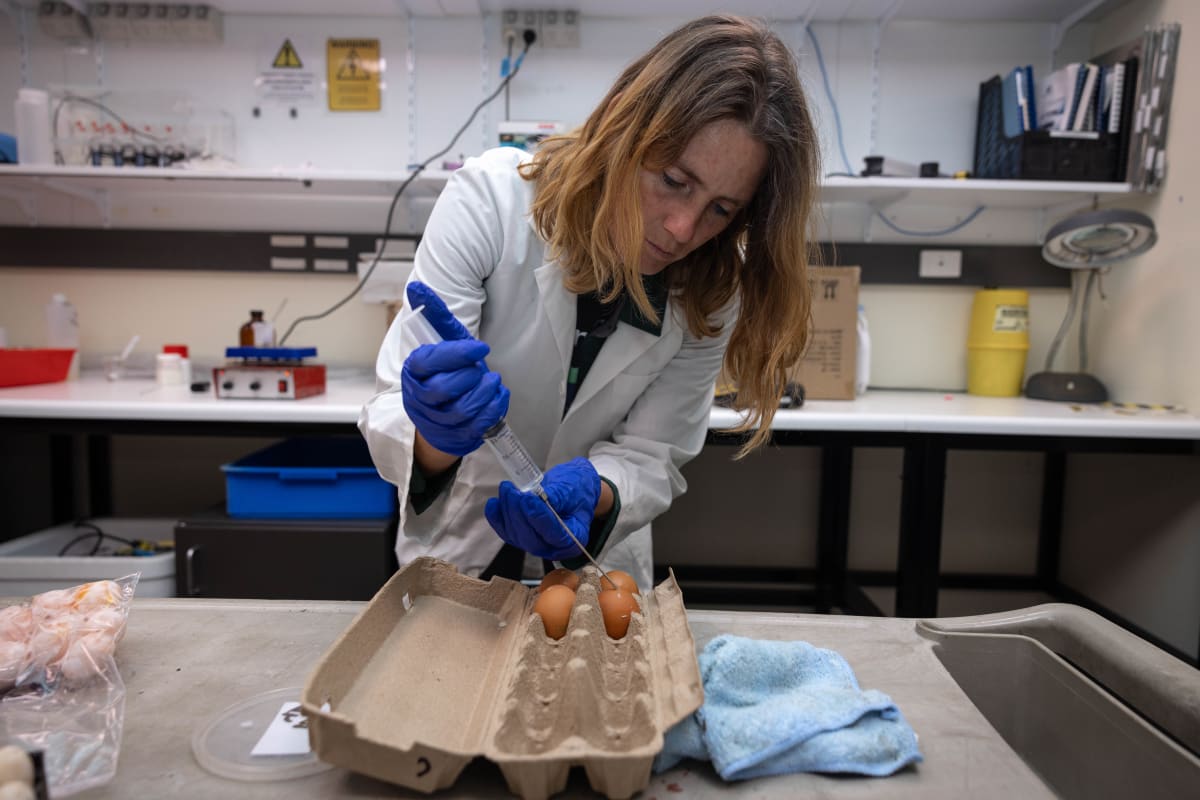
Biologist Ligia Pizzatto from La Trobe University is testing a surprisingly gentle solution. She plants fake chicken eggs treated with chemicals that cause temporary nausea, then sprays the area with vanilla scent. When foxes eat these eggs, they get sick and learn to associate the vanilla smell with feeling unwell.
The method, called conditioned taste aversion, tricks foxes into avoiding real turtle nests marked with the same vanilla scent. Early trials show promise, reducing nest predation by 30% to 90% depending on the location.
Traditional protection methods have serious limitations. Mesh barriers require finding every single nest. Artificial nesting islands cost up to $7,000 each and leave eggs vulnerable to birds and water predators. Culling foxes through shooting or poisoning often fails because surviving foxes simply hunt more intensively.
The taste aversion approach offers major advantages. It works in suburban areas where poison poses risks to pets and people. It's also more acceptable to communities divided over killing animals, even invasive ones.
The Ripple Effect
The project brings together Traditional Owners, community conservation groups, and citizen scientists. Researchers are working to develop a simple protocol that volunteers can easily follow, potentially protecting not just turtles but other ground-nesting native species threatened by foxes.
The technique isn't perfect yet. Scientists are still figuring out how to make the aversion last longer so foxes don't forget their unpleasant experience. But Mike Thompson, a leading turtle expert from the University of Sydney, sees it as part of a "multipronged approach" that includes restoring water flows to wetlands and protecting habitat.
What makes this solution special is its kindness. Instead of adding more death to an ecosystem already stressed by dams, drought, roads, and climate change, it simply teaches foxes a new behavior. The foxes stay healthy, the turtles get a fighting chance, and volunteers can participate in protecting species without lethal methods.
For turtle populations that have survived millions of years only to crash in just five decades, a vanilla-scented second chance might be exactly what they need.
More Images

Based on reporting by Mongabay
This story was written by BrightWire based on verified news reports.
Spread the positivity!
Share this good news with someone who needs it