New Hampshire Builds Salamander Tunnels to Save Lives
A small New Hampshire city is constructing underground tunnels to help endangered salamanders safely cross busy roads during their annual spring migration. Similar tunnels in Vermont have already reduced amphibian deaths by 80%.
On rainy March nights in Keene, New Hampshire, volunteers with flashlights guide thousands of salamanders across a dangerous two-lane road that stands between their winter homes and breeding grounds. But soon, these dedicated volunteers won't have to brave the rain anymore.
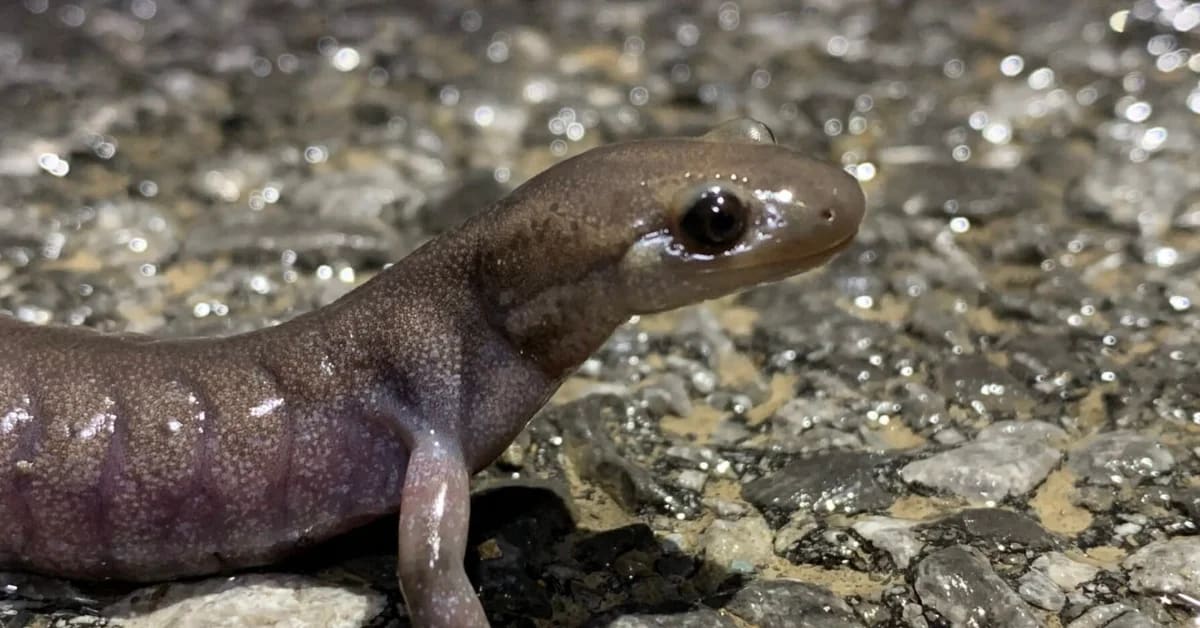
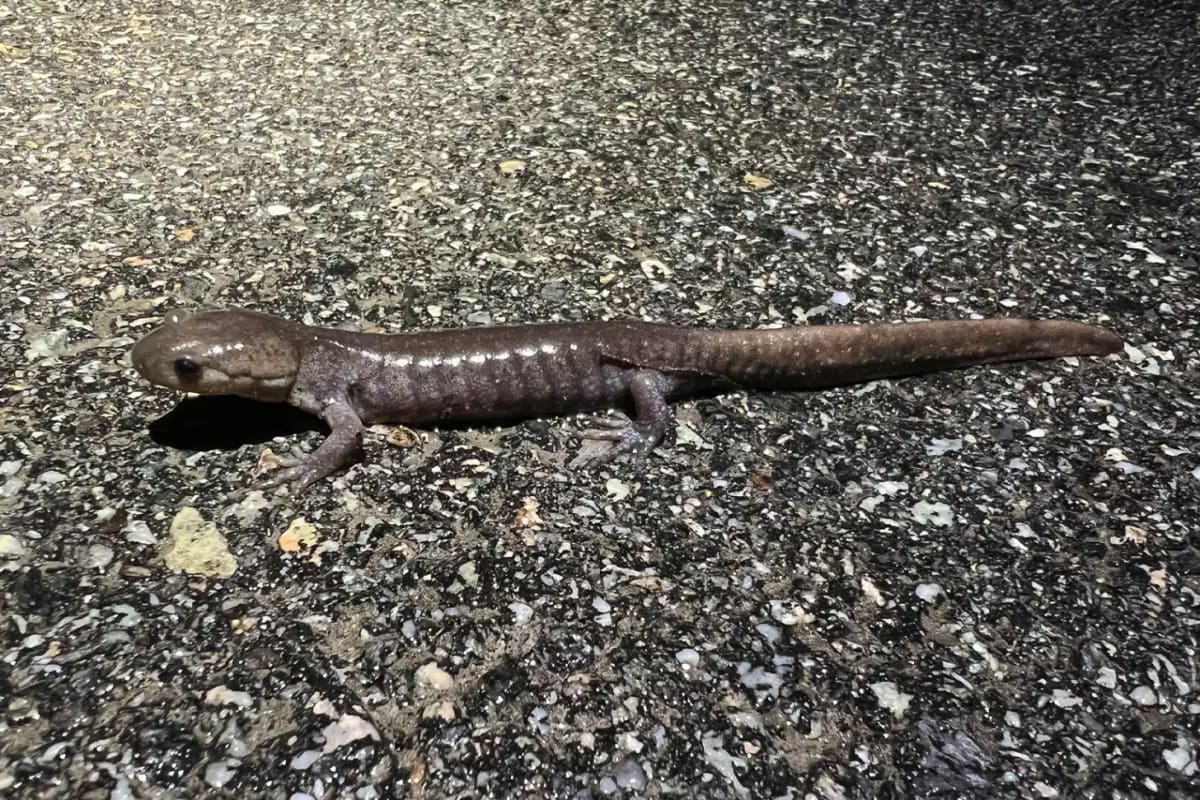
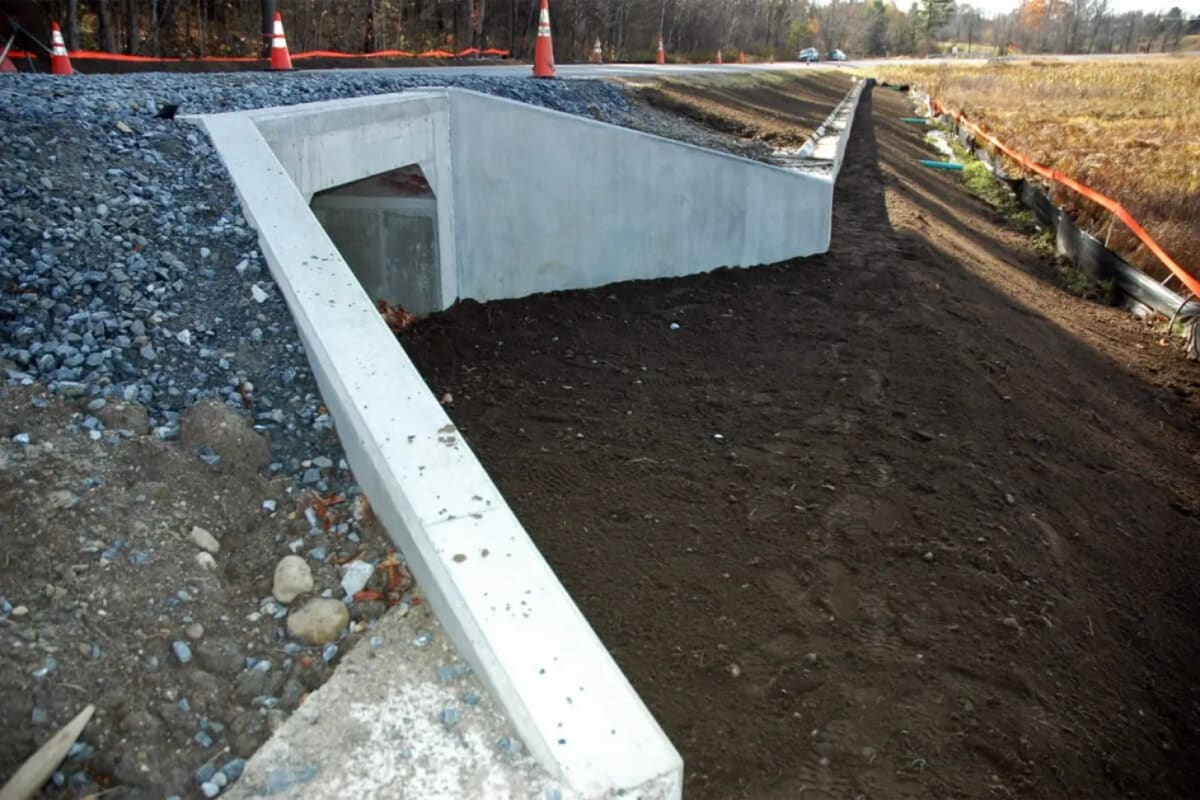
The city is building small tunnels under Jordan Road specifically designed for salamanders to cross safely beneath traffic. The underpasses will protect the Jefferson complex salamander, a hybrid species classified by the state as most in need of conservation.
Brett Amy Thelen, science director for the Harris Center for Conservation Education, has been organizing volunteer "salamander brigades" for years. She's thrilled that her team's work is leading to a permanent solution.
"Just like we need to go to the grocery store or the doctor, animals have the equivalent," Thelen said. "They need to be able to move across the landscape to find food, to access different habitat at different times of year."
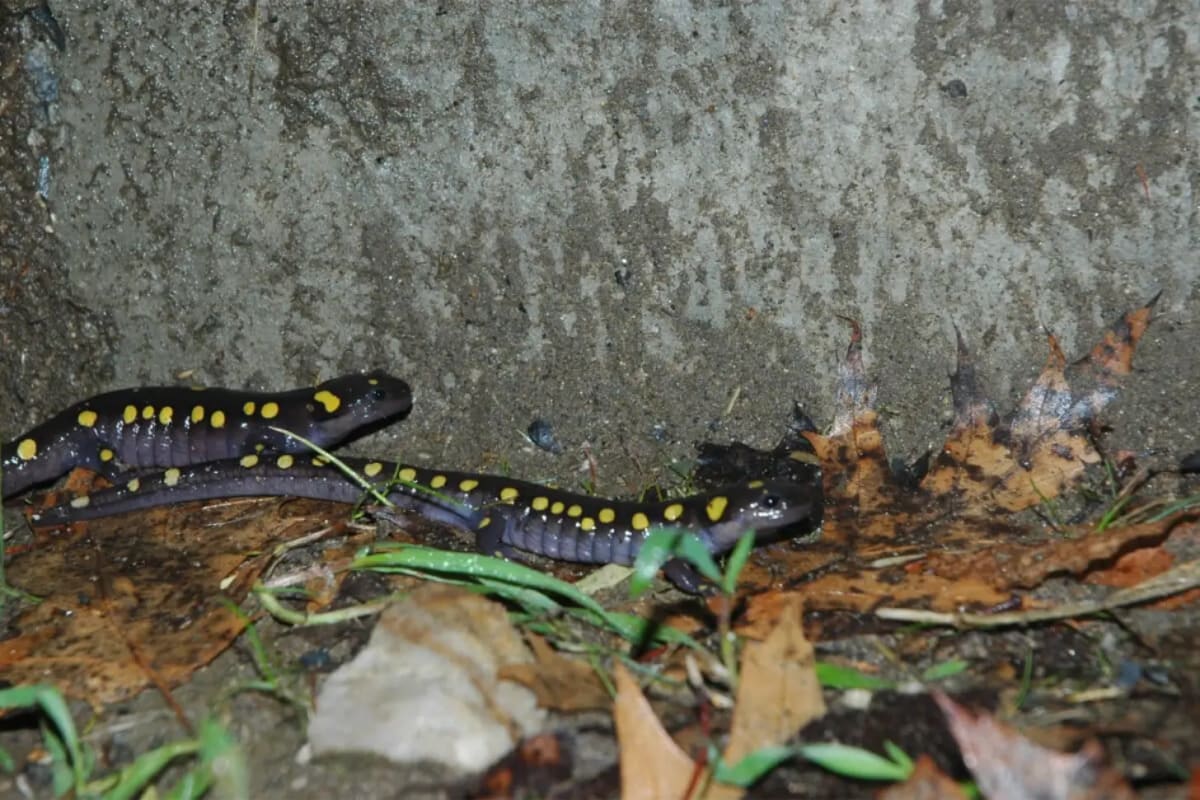
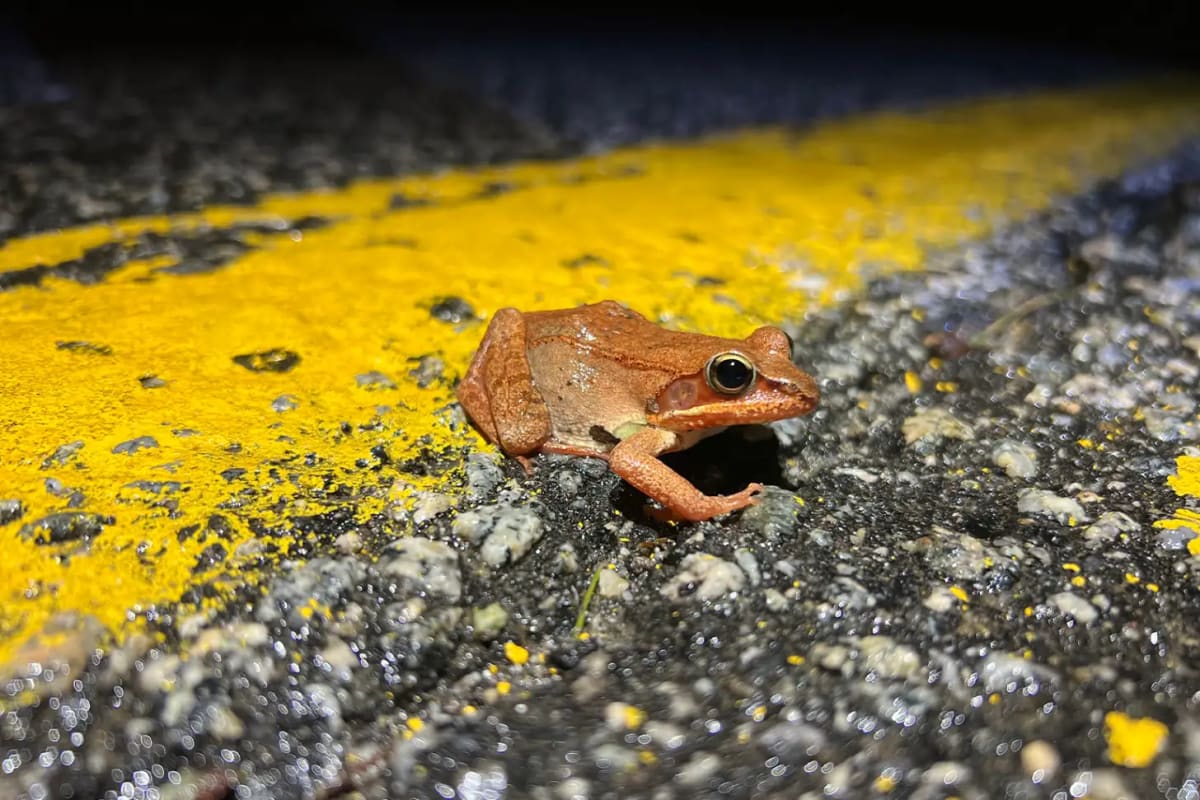
This year alone, volunteers counted 108 Jefferson complex salamanders at Jordan Road, nearly double their previous seasonal record. The crossing also sees wood frogs, spring peepers, red-backed salamanders, and spotted salamanders making the dangerous journey each spring.
The project is a partnership between the Harris Center, the city of Keene, and the New Hampshire Fish and Game Department. It's funded by a grant from the National Fish and Wildlife Foundation that's also supporting turtle crossing projects elsewhere in the state.
The tunnels will feature fencing along both sides of the road to guide amphibians into two or three underpasses. Construction is expected to begin next summer or fall, with the tunnels ready for the spring 2028 migration.
The Ripple Effect
This isn't just a feel-good project. It's part of a growing movement to reconnect wildlife habitat fractured by human development.
About 100 miles northwest in Monkton, Vermont, similar tunnels built in 2015 have reduced amphibian deaths by 80%. That success story is inspiring other communities across New England to invest in wildlife crossings.
Bryan Windmiller, former director of field conservation at Zoo New England, says road impacts and habitat fragmentation are the number one threat facing New England amphibians. While these challenges won't wipe out entire species, they devastate local populations and limit recovery from past losses.
Wildlife crossings offer a proven solution that benefits both animals and communities. Roads stay open, volunteers get a break, and thousands of salamanders reach their breeding grounds safely year after year.
The best part? Once the tunnels are complete, they'll work every spring without requiring volunteers to stand in the rain, moving creatures by hand one at a time.
More Images
Based on reporting by Good Good Good
This story was written by BrightWire based on verified news reports.
Spread the positivity!
Share this good news with someone who needs it