Australian Tech Helps Save Tiniest Hearts in US Hospitals
A Melbourne medical device company just secured $6.8 million to bring lifesaving technology to America's tiniest patients. The Neonav system helps doctors safely place critical catheters in newborns, preventing potentially fatal complications.
Placing a tiny catheter into a premature baby's heart is one of the most nerve-wracking procedures in medicine, but Australian innovators just made it dramatically safer.
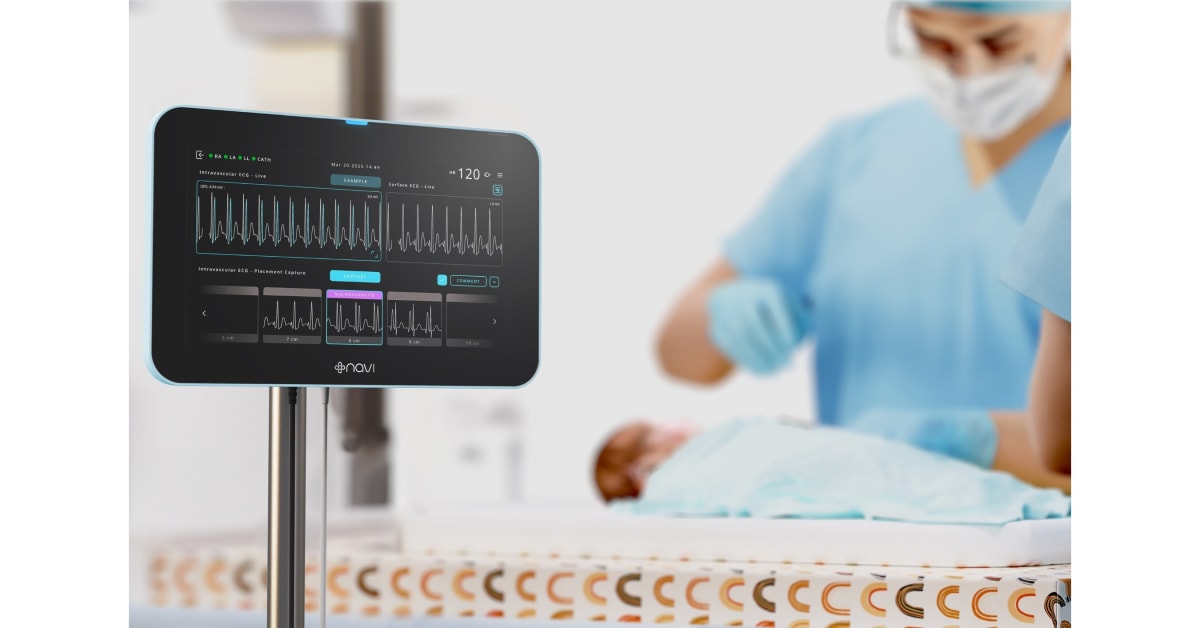
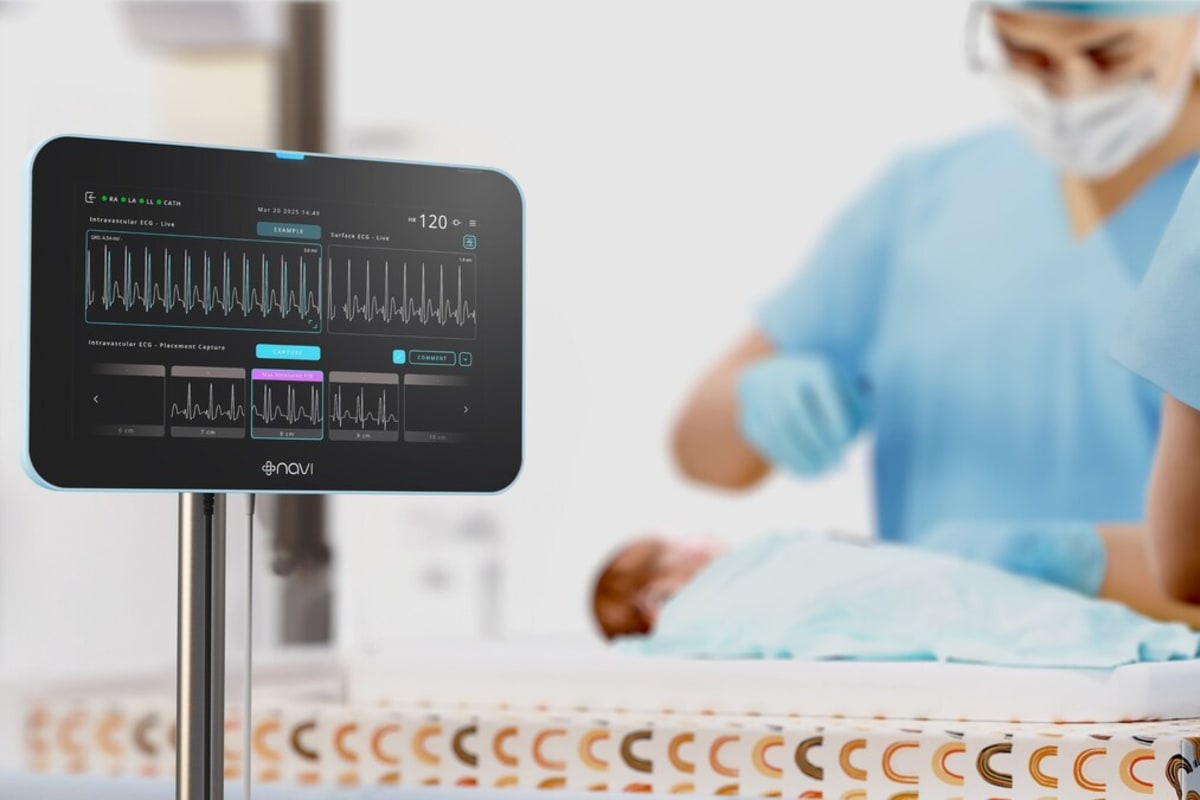
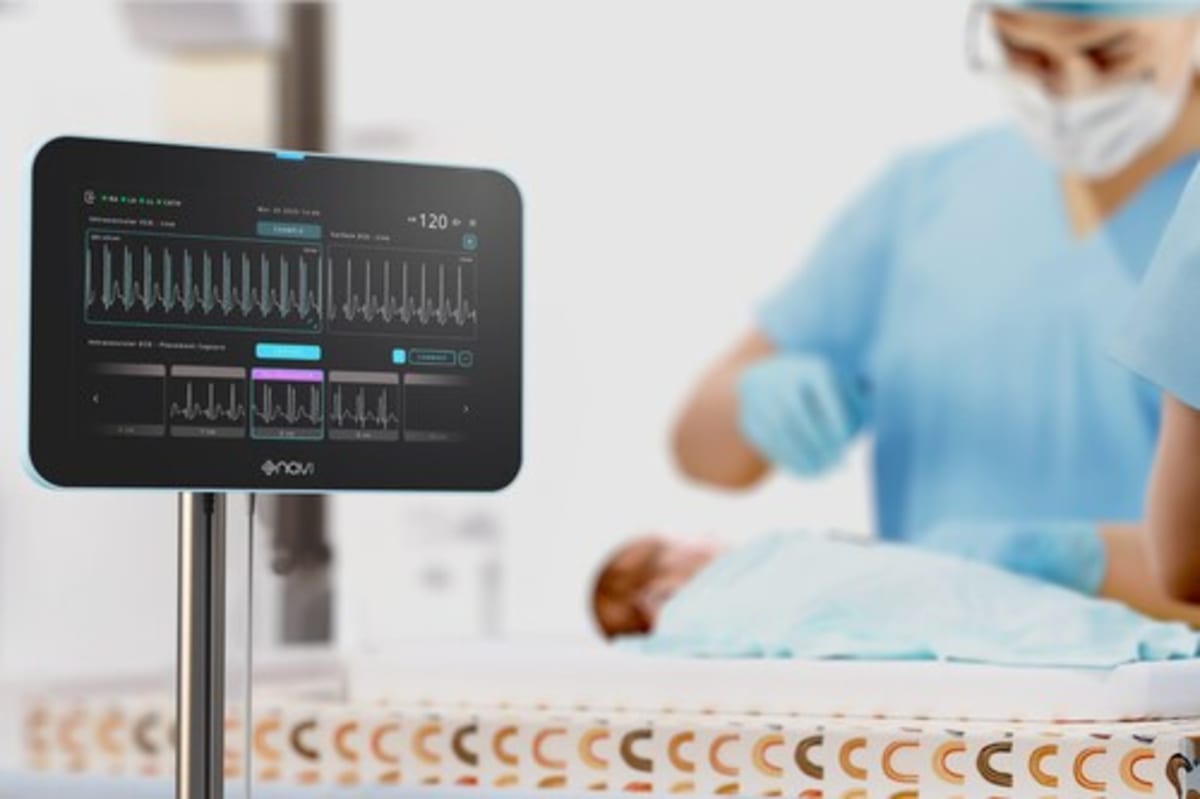
Navi Medical Technologies has raised $6.8 million to bring its Neonav system to children's hospitals across the United States. The Melbourne-based company developed technology that helps doctors accurately guide and monitor catheters in the smallest, most vulnerable patients.
The problem Navi solved is surprisingly common. Newborns in intensive care need central catheters to receive nutrition, fluids and medications. When these tiny tubes shift position or get placed incorrectly, they can damage a baby's heart or surrounding tissues, sometimes with fatal consequences.
Until now, doctors treating newborns have relied on X-rays and technology designed for adults, not tiny patients weighing just pounds. The Neonav system uses real-time ECG guidance specifically calibrated for the smallest bodies, allowing clinicians to place catheters accurately and monitor them continuously throughout treatment.
The technology has already cleared two major regulatory hurdles. The FDA granted approval in 2025, then expanded the clearance in 2026 to cover even more procedures, including umbilical venous catheters. Two leading US children's hospitals are now conducting clinical evaluations, with commercial sales expected to launch this year.
Healthcare venture capital firm KP Rx led the funding round with a $4 million investment. The capital will expand manufacturing capabilities, build a US commercial team, and support the rollout to children's hospitals nationwide.
"For decades, neonatal and paediatric clinicians have relied on technologies that were never designed for their smallest patients," said Alex Newton, Navi's CEO. The company now holds the broadest FDA clearance for paediatric vascular access technology, covering all central venous access devices and procedures for newborns and children.
The Ripple Effect
Beyond individual babies, this technology could transform care across neonatal intensive care units. Fewer complications mean shorter hospital stays, reduced radiation exposure from repeat X-rays, and less trauma for families already facing frightening medical journeys. As the system reaches more hospitals, thousands of vulnerable newborns will benefit from technology purpose-built for their unique needs.
The investment also highlights Australia's growing reputation as a medical innovation powerhouse, with Victorian companies developing world-leading healthcare solutions that address critical gaps in patient care.
One breakthrough at a time, the future for our tiniest patients is getting brighter.
More Images

Based on reporting by Google News - Australia Breakthrough
This story was written by BrightWire based on verified news reports.
Spread the positivity!
Share this good news with someone who needs it