Australian Towns Bring Back Bartering to Beat Rising Costs
Communities across New South Wales are swapping homegrown vegetables, preserves, and even pet mince without spending a cent. The revival of old-school bartering is helping neighbors connect while cutting grocery bills during tough economic times.
In the small town of Comboyne on Australia's Mid North Coast, residents walk away from the local farm store carrying armfuls of fresh produce without opening their wallets. They're trading persimmons for chillies, avocados for Anzac biscuits, and beans for lemongrass through weekly crop swaps that launched this March.
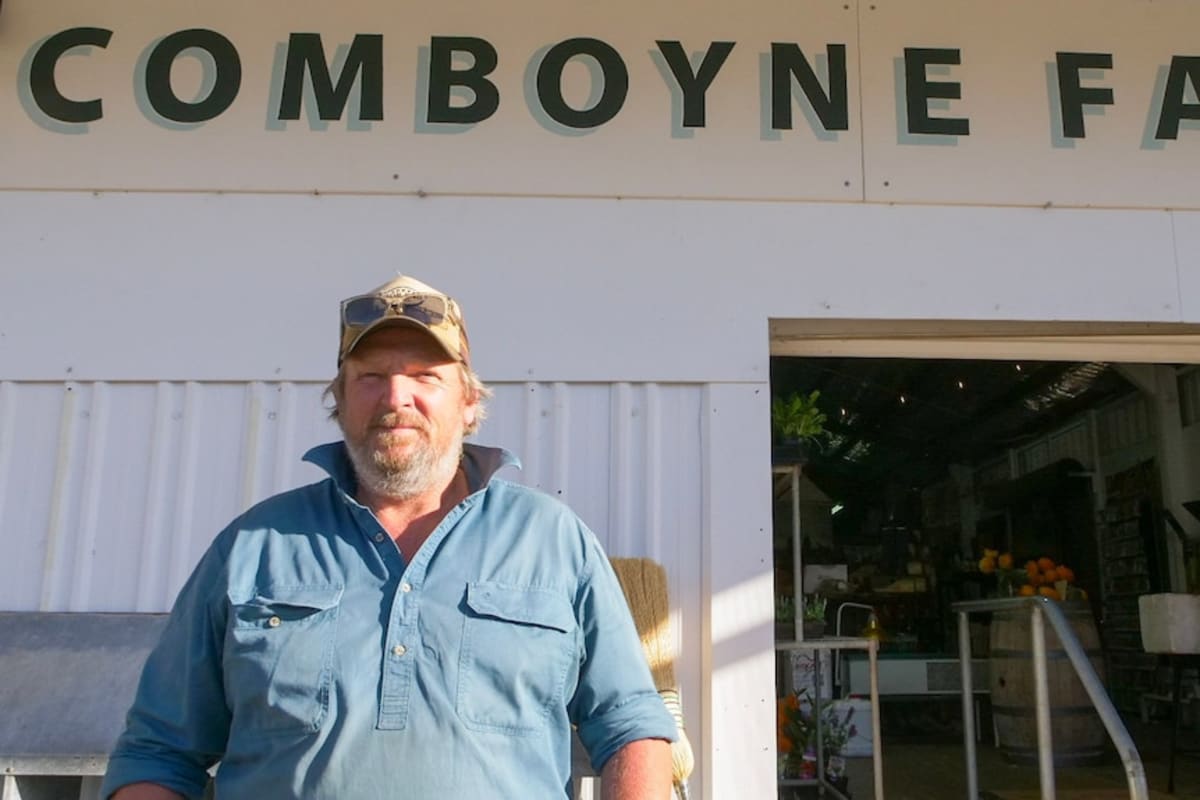
Owner Alastair McLaren started the Comboyne Farm Store crop swap when Middle East conflict sent fuel prices soaring. "With the crop swap, they can trade vegetables or nuts or herbs or preserves for other things that they don't have," he said. "It gives people back the power to control their destiny instead of being frustrated with the prices of everything."
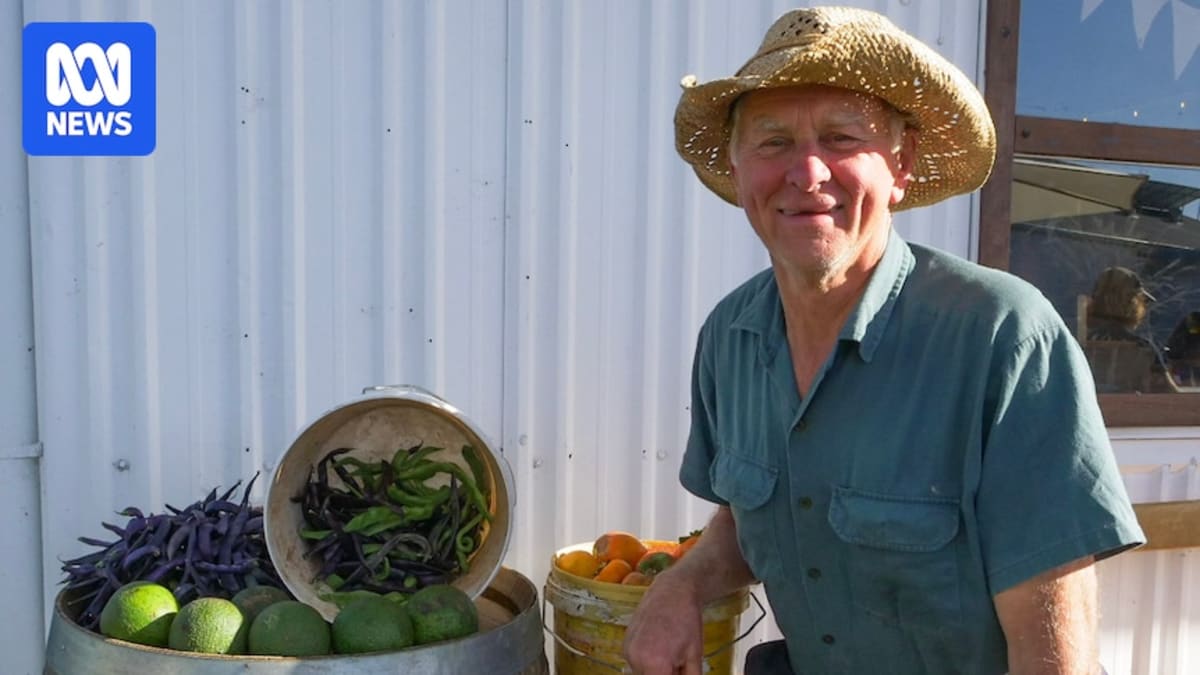
Colin Amos arrived at one swap with excess persimmons, avocados, and beans from his garden. He left with ingredients he needed and a big smile. "This idea needs to grow across the country because with the cost of travel and fuel and everything, food swapping is the way to go," he said.
The movement is spreading fast. About 50 miles south in Forster, Lilly Lertsinpakdee launched her own crop swap that now connects 300 people through social media and monthly meetups. "It's not just about the swapping, it's about the community connection and building capacity," she explained.
Mixed livestock farmers Rebecca and Peter Armstrong brought pet mince from their farm to share. "Everyone's financially stretched at the moment, and if they take the time to think about what they do have an abundance of, everyone's got something they can swap," Peter said.
The Ripple Effect
Consumer psychologist Christina Anthony from the University of Sydney sees powerful benefits beyond saving money. During economic uncertainty, people feel anxious about things they can't control like inflation and interest rates. "What we can control is the resources that we own," she explained.
The swap model also tackles food waste, which feels more painful when budgets are tight. "Throwing away that extra produce feels much more costly today than it would've felt a few years ago," Anthony said.
Perhaps most importantly, crop swaps restore something supermarkets stripped away: human connection. "This is reverting back to a traditional market system, and there is that appeal of just being able to have a conversation with a person," Anthony noted.
For Lertsinpakdee, who struggled to meet people after moving from Sydney, removing money from exchanges changed everything. "If you take the financial transaction out of anything, people just are a lot more comfortable," she said.
The old barter system is proving that abundance shared creates more value than dollars ever could.
More Images



Based on reporting by ABC Australia
This story was written by BrightWire based on verified news reports.
Spread the positivity!
Share this good news with someone who needs it