Australian Wetland Thrives After Carp Removal Success
A South Australian wetland has been restored to crystal-clear waters teeming with native life after being protected from invasive carp. The remarkable transformation offers hope for similar restoration across Australia's struggling river systems.
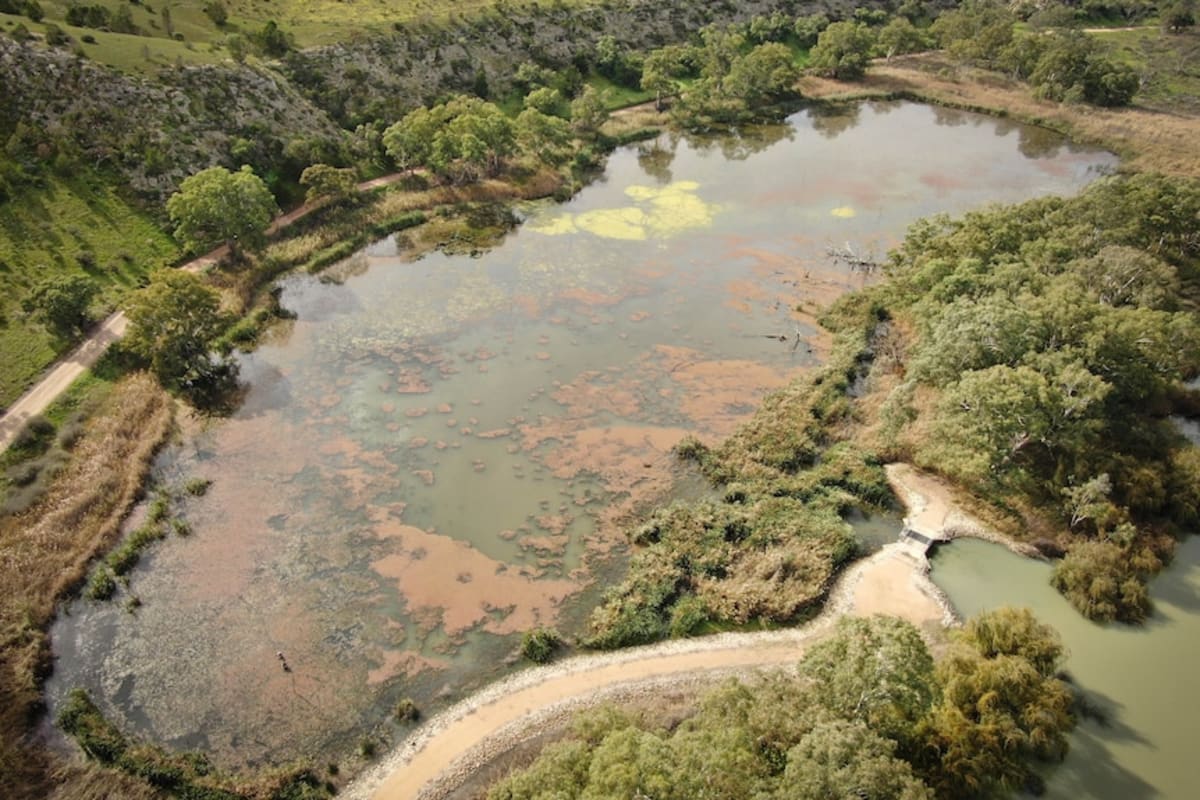
For the first time in decades, the waters at Teal Flat wetland in South Australia look exactly like the Murray River used to: crystal clear and bursting with life.
Ecologist Amy Rice wades through lush aquatic plants at the lagoon, an hour and a half from Adelaide, marveling at what she sees. Her turbidity meter reads just 4.5 in the wetland, compared to 150 in the muddy Murray River flowing right next to it.
The secret to this transformation? Keeping carp out.
The wetland team closes off the lagoon from the river and lets it dry out completely, which eliminates the invasive carp. When they refill it with river water, special screens keep the destructive fish from swimming back in.
"When you come out and have a look at a wetland like this, it never ceases to blow you away," says team leader Darren Willis. The difference is striking: the Murray runs brown like mocha coffee, churned muddy by millions of carp sucking up soil from the bottom and spitting it through their gills.
Without carp constantly stirring up sediment, native plants like ribbon weed and red water milfoil have returned in abundance. These plants now support an entire ecosystem of small native fish, swans, musk ducks, frogs, and turtles that had largely disappeared.
Brenton Beal, a Renmark resident, still remembers the Murray River's clear waters from the 1960s before carp populations exploded. Back then, you could see nearly to the bottom and catch native redfin, callop, and cod instead of invasive species.
The Ripple Effect
The success at Teal Flat is now being celebrated as a blueprint for restoration across the Murray-Darling Basin, where the federal government has listed sections of the Murray River as critically endangered. The Murraylands and Riverland Landscape Board manages 25 similar wetland sites using this proven method.
While the federal government continues researching a carp herpes virus as a long-term solution (expected by 2028), fishers and conservationists are pushing for immediate action. Victoria recently launched a carp action alliance, and momentum is building for trials in enclosed waterways.
Charles Sturt University researcher Ivor Stuart calls the timing critical, with major reviews into the Murray-Darling Basin Plan due later this year. He admits being part of the "carp generation" who've never seen the river looking healthy, which makes it hard for many to imagine what's possible.
But now they can visit Teal Flat and see the future with their own eyes.
More Images



Based on reporting by ABC Australia
This story was written by BrightWire based on verified news reports.
Spread the positivity!
Share this good news with someone who needs it