Niger Restored 5 Million Hectares Without Planting Trees
An Australian adviser discovered that beneath Niger's barren soil, millions of trees were still alive underground, just waiting for a chance to grow back. By helping farmers protect natural regrowth instead of planting seedlings, Niger restored 12.4 million acres and brought back 200 million trees.
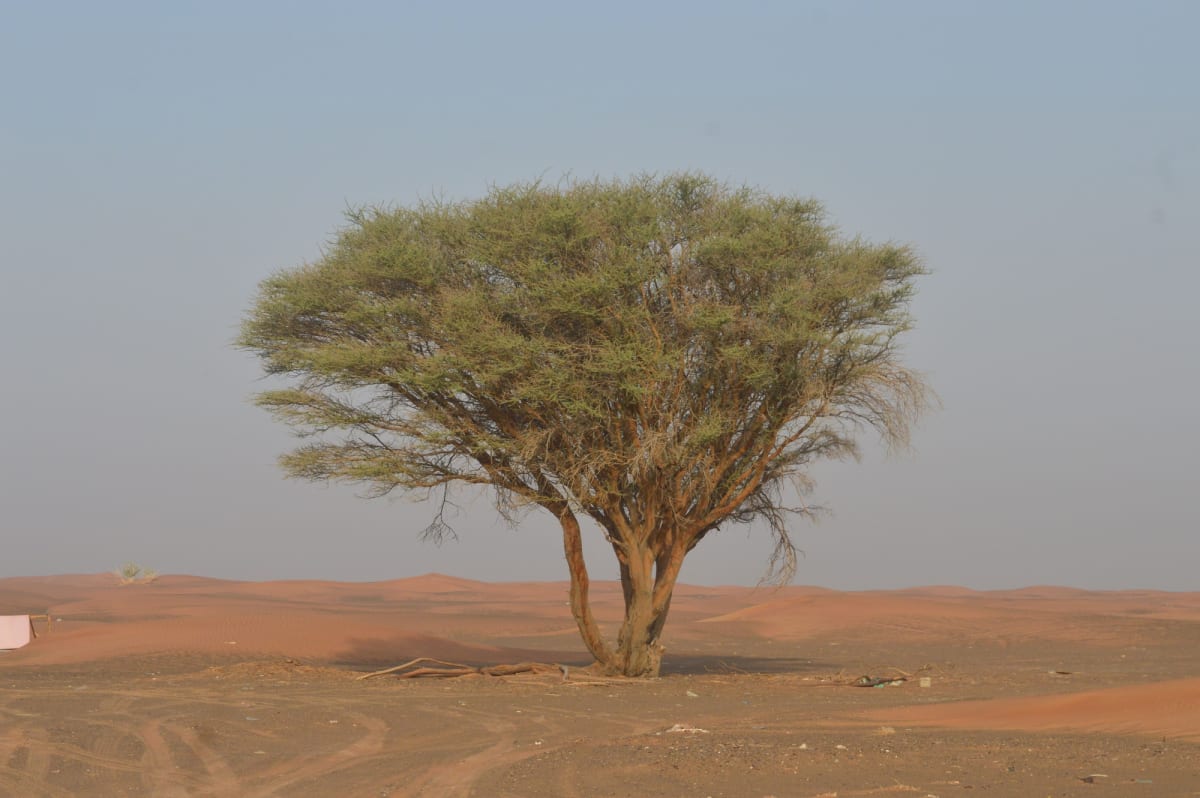
In 1983, Tony Rinaudo was staring at what looked like dead land in Niger when he noticed something nobody else had seen. Beneath the dusty, overgrazed soil, entire root systems were still alive and ready to grow.
Rinaudo, an Australian agricultural adviser working in the Sahel region, realized the trees weren't gone at all. They were just waiting underground for the pressure to ease.
When farmers reduced overgrazing, green shoots emerged from the hidden roots. Rinaudo developed this observation into a technique called Farmer Managed Natural Regeneration, where farmers identify which shoots to protect and which to prune.
The method works because it's driven entirely by self-interest, not charity programs. The trees provide shade for crops, prevent soil erosion, produce firewood and fruit, and create fodder for animals, all of which directly benefit the families who tend them.
Niger officially recognized the technique as a national restoration method in 2020. By then, more than 200 million trees had been restored across five million hectares, helping roughly 2.5 million people rebuild their land and livelihoods.
The approach stands in sharp contrast to mass planting campaigns. In Ethiopia, government volunteers planted 350 million trees in a single day during 2019, but researchers found that more than half failed to survive without consistent follow-up care.
Niger's regenerated trees don't face that problem because they grow from existing root systems that already have everything they need. Farmers protect them because losing the trees would mean losing income, not because a program told them to.
The Ripple Effect
The technique is now being tested in more than 20 countries across Africa, from Ghana to Madagascar. Experts at the World Agroforestry Centre believe it could work anywhere in the Sahel and southern African savanna where root systems haven't been completely destroyed.
Niger's success inspired Africa's AFR100 initiative, where 33 countries committed to restoring 319 million acres of degraded land by 2030. The Great Green Wall project runs alongside it, aiming to create an 8,000-kilometer band of restored vegetation across 11 Sahel countries.
Progress faces real challenges, including conflicts in Burkina Faso, parts of Niger, and Mali that make long-term projects nearly impossible. Despite these obstacles, the initiative has already restored 18 percent of its 100 million hectare target, four years ahead of schedule.
Rwanda's TREPA project adopted similar logic, integrating fruit trees, fodder crops, and timber directly into farmland so communities have economic reasons to protect them. The pattern holds across every success story: restoration lasts when communities profit from trees, not just plant them.
Five million restored hectares in Niger, with zero seedlings planted, proves that sometimes the best way to bring back a forest is simply to help what's already there survive.
Based on reporting by Optimist Daily
This story was written by BrightWire based on verified news reports.
Spread the positivity!
Share this good news with someone who needs it