England's Wind Farm Applications Hit 10-Year High
England just saw its biggest surge in wind farm proposals in a decade after lifting a ban that held back clean energy for years. Renewable power is making a comeback, bringing cheaper electricity and thousands of jobs with it.
England's clean energy future just got a major boost, with wind farm applications reaching their highest level in 10 years.
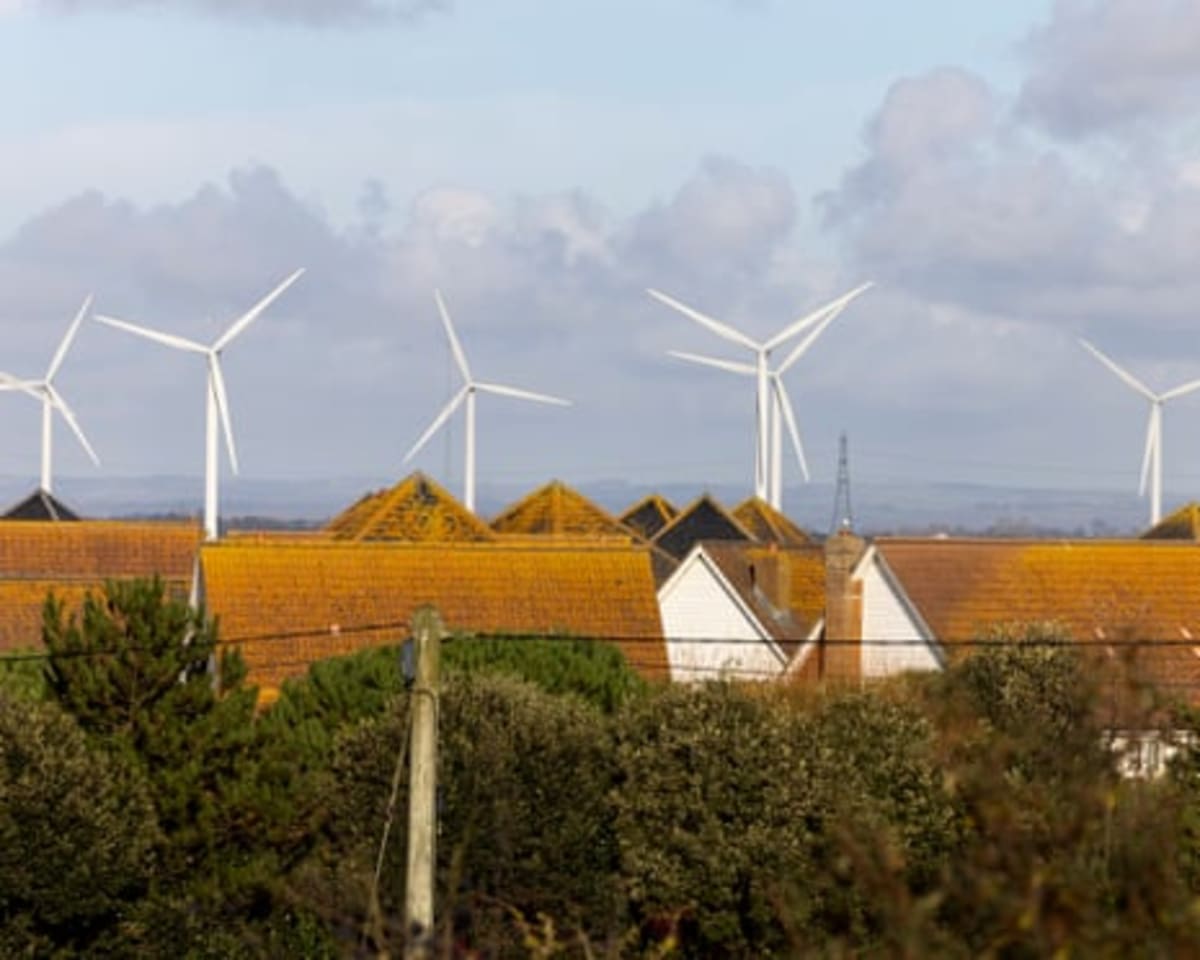
About 45 new wind farm proposals were submitted in the year ending March, according to government data analyzed by The Guardian. That's a remarkable turnaround after nearly a decade of stalled progress under a de facto ban.
The transformation happened fast. Before the ban was lifted in 2024, England averaged just 9 megawatts of wind applications each month. By early this year, that number jumped to 36 megawatts monthly, showing that developers are rushing back to England's renewable energy market.
The surge started when the government dropped restrictions on onshore wind developments. Before that change, England was building fewer wind farms than war-torn Ukraine, even as Russian soldiers occupied parts of the country.
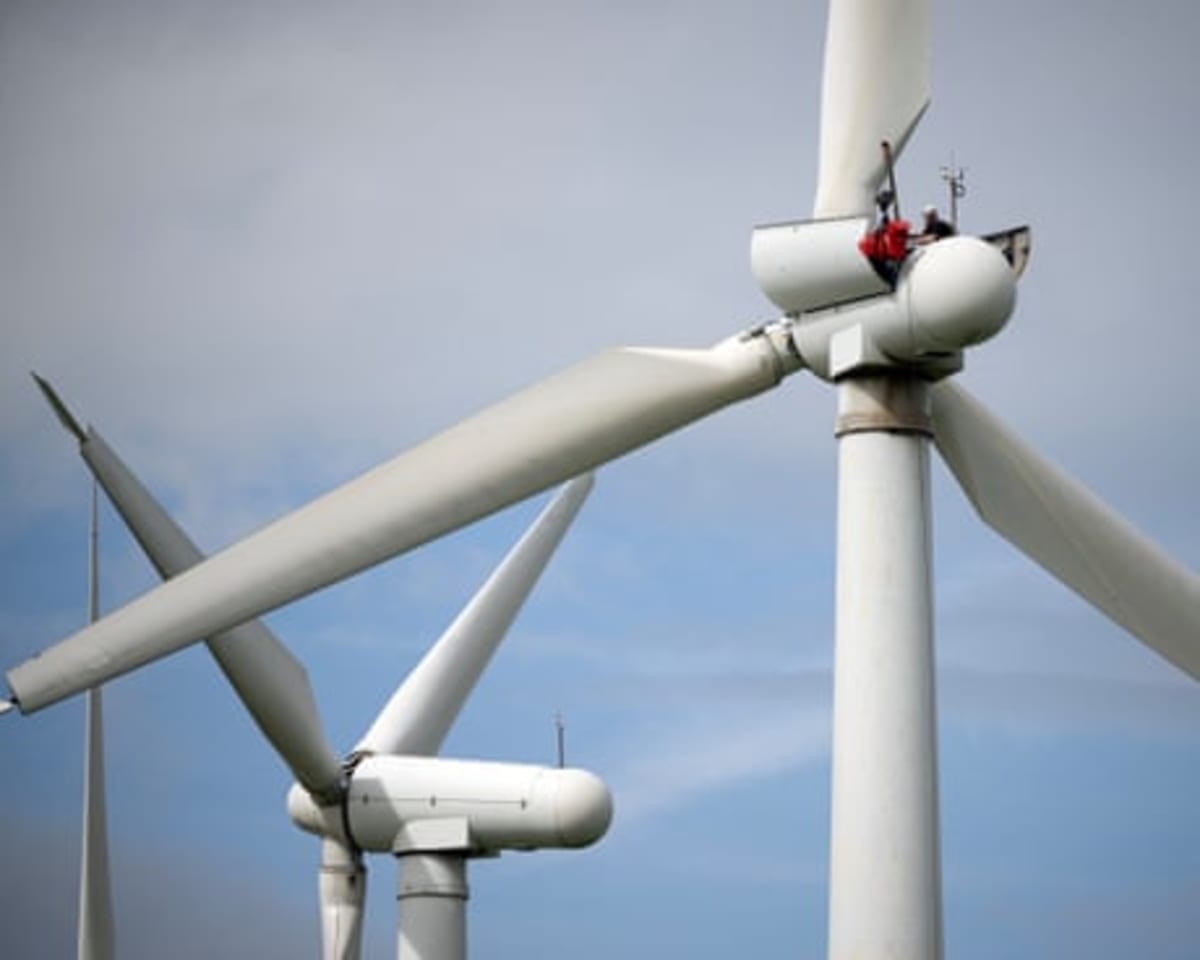
Most of the new English wind farms stay relatively small, averaging just two turbines producing 8 megawatts each. Scotland, by comparison, proposes larger projects with an average of nine turbines generating 59 megawatts. The Imerys project near St Austell, Cornwall became England's largest government-backed wind farm since the ban lifted, though its 20 megawatts would be considered modest in Scotland.
The Ripple Effect
The return of wind energy means more than just cleaner power. Every megawatt of wind capacity brings £5,000 annually to local communities through benefit funds, letting residents invest in priorities that matter most to them.
The economic impact reaches far beyond local communities. Wind power now costs about half as much as gas-fired electricity, helping reduce energy bills for households and businesses. The UK's wind supply chain could add up to £56 billion to the economy by 2050 through manufacturing turbine blades, towers, and cables.
Developers typically invest 37 pence back into local communities for every pound of profit they make. With nearly 3,000 megawatts already operational in England, that adds up to substantial community investment. About 70% of developers' spending happens right in the UK, creating skilled jobs across the country.
New projects can be built quickly, strengthening energy security and reducing exposure to unpredictable global gas prices. The government now allows farms and factories to install small turbines, no bigger than an oak tree, without needing planning permission.
England still trails behind Scotland and Wales in total wind capacity proposals, but the momentum is clearly building toward a cleaner, more affordable energy future.
More Images


Based on reporting by Google News - Wind Energy
This story was written by BrightWire based on verified news reports.
Spread the positivity!
Share this good news with someone who needs it