Australia's AI Identifies Wildlife 10x Faster Than Humans
Australia just launched a groundbreaking platform that uses AI to identify animals in camera trap photos at lightning speed, helping scientists save endangered species before it's too late. The Wildlife Observatory brings together researchers across the country to track biodiversity and stop extinctions in their tracks.
Millions of wildlife photos sitting unprocessed could soon become powerful tools for saving endangered species, thanks to a new AI platform launching across Australia.
The Wildlife Observatory of Australia, or WildObs, transforms how scientists monitor animals by identifying hundreds of Australian species in camera trap images ten times faster than humans can. The platform launched through the University of Queensland with support from major research organizations across the country.
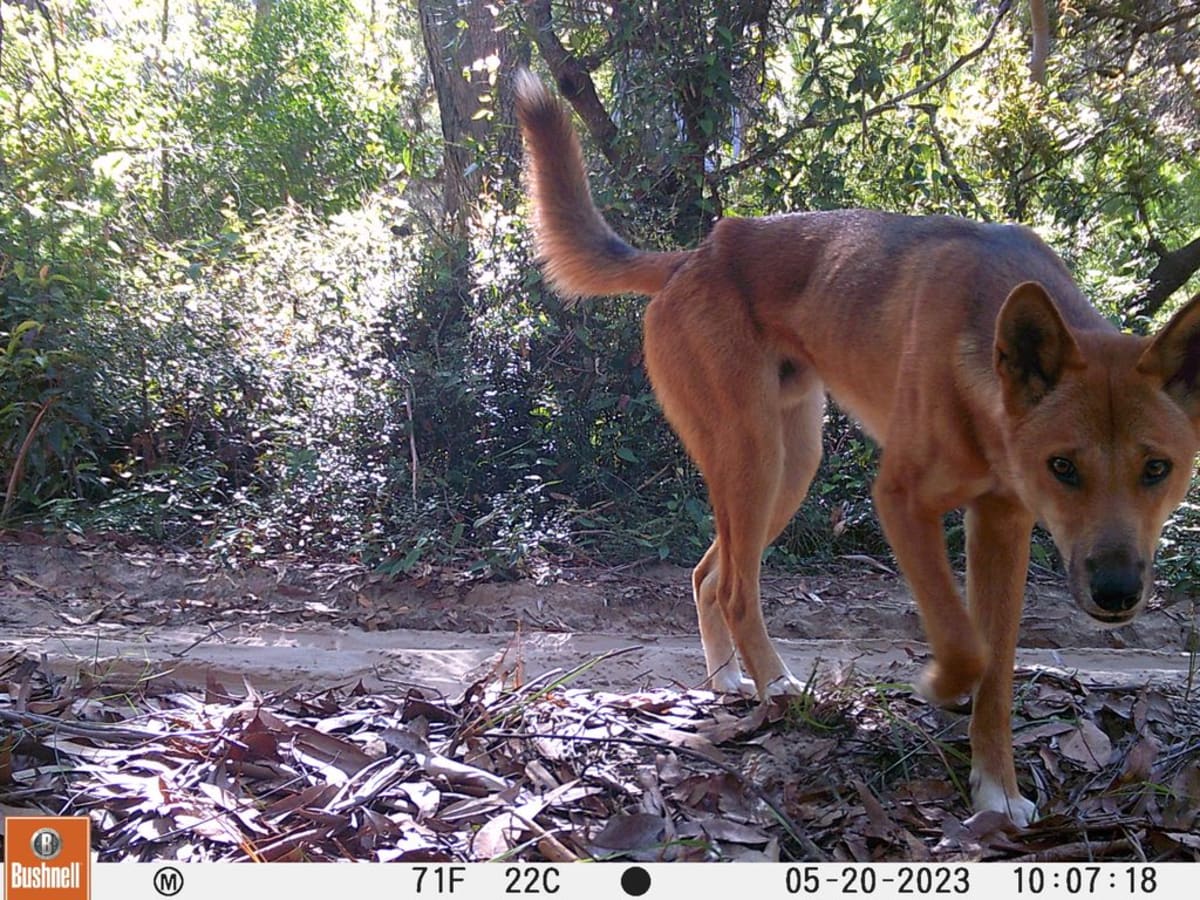
Camera traps have become essential tools for tracking wildlife. Scientists set them up in remote locations where they snap photos automatically, creating millions of images that reveal how animals behave when humans aren't watching. But here's the problem: someone has to look through every single photo and identify what's in it, a process that takes enormous amounts of time and money.
Matthew Luskin, who directs WildObs at the University of Queensland's School of the Environment, says timing makes all the difference. "In conservation, timing matters and detecting problems early can mean the difference between recovery and extinction," he explained.
The platform solves this bottleneck by letting scientists upload their images to the cloud, where AI models trained specifically on Australian wildlife take over the heavy lifting. These models recognize everything from kangaroos to rare purebred dingoes, turning months of manual work into days of automated processing.
The Ripple Effect
Breaking down walls between research groups might matter just as much as the speed boost. Meredith Palmer, a conservation technology expert at Yale University, points out that scientists have struggled with isolated data in the big data era. WildObs creates one collaborative space where organizations can share information using the same standards, filling gaps that have left Australian wildlife invisible in global research.
Roland Kays from North Carolina State University notes that much Australian camera trap data has been unavailable for worldwide comparisons until now. Getting Australian wildlife "on the map" means better global understanding of biodiversity patterns and conservation needs.
The platform doesn't just speed up research. It helps track invasive species threatening native animals, monitors biodiversity trends showing which ecosystems need help, and identifies where conservation dollars will make the biggest difference. Scientists across Australia can now access the same powerful AI tools and contribute to a growing national picture of wildlife health.
Every uploaded image adds to a collective understanding of how Australian animals are faring, creating smarter investments in protecting threatened species and stronger environmental reporting that guides policy decisions.
Australia's unique wildlife just got a powerful ally in the race against extinction.
More Images

Based on reporting by Mongabay
This story was written by BrightWire based on verified news reports.
Spread the positivity!
Share this good news with someone who needs it