Pet Cats Cause Less Than 1% of Wildlife Rescues in Study
New research from the University of Queensland challenges the common belief that pet cats are major wildlife killers. An 11-year study of NSW rescue data reveals a surprising shift in where conservation efforts should focus.
A groundbreaking study from the University of Queensland has found that domestic cats were responsible for fewer than 1% of native animals brought to wildlife carers over an 11-year period in New South Wales.
Between 2013 and 2024, researchers examined rescue data for 158 threatened and endangered species. Out of 52,475 animals rescued, only 311 incidents were linked to pet cat attacks.
Lead researcher Dr. Kate Dutton-Regester says it's crucial to separate domestic cats from their feral cousins, who kill an estimated 3 billion animals yearly across Australia. "Not all cats are outside, not all cats hunt," she explains.
The study revealed that dog attacks actually caused three times as many wildlife rescues as domestic cats did. Vehicle strikes, entanglement in fruit netting and fencing, drought, and disease topped the list of rescue causes.
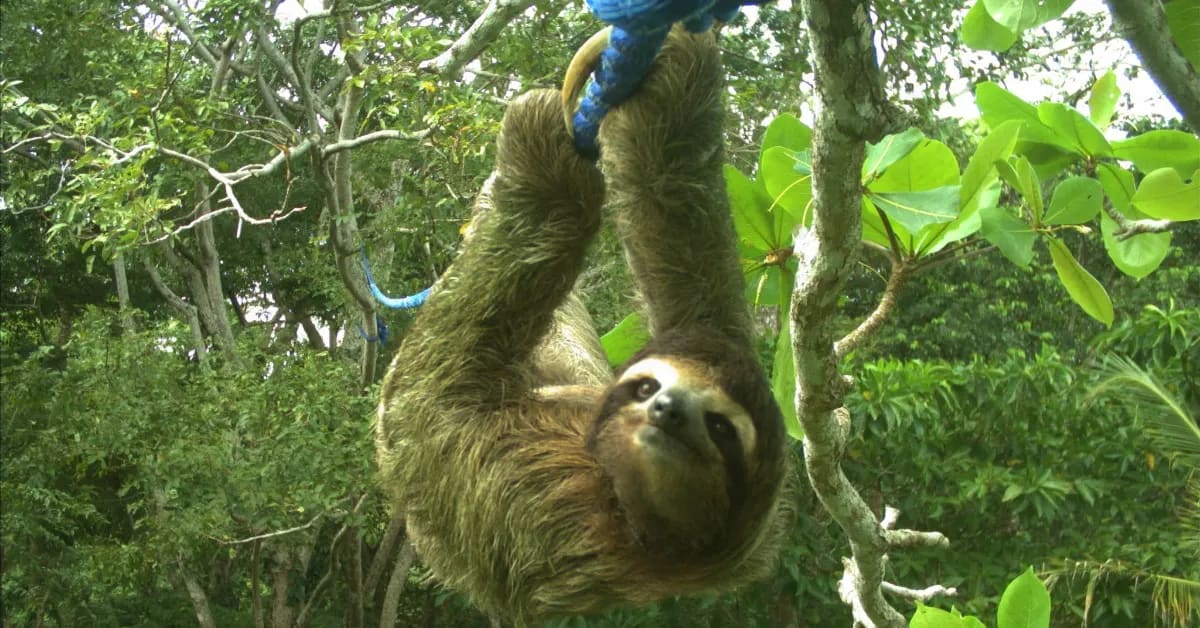
Flying foxes were the most rescued animals, followed by koalas suffering from disease and car strikes. Squirrel gliders frequently needed help after becoming trapped in netting.
The Bright Side
This research opens the door to smarter wildlife protection strategies. Instead of focusing primarily on pet cats, conservation efforts could target the bigger threats revealed by the data.
Dr. Jacquie Rand, co-author and executive director of the Australian Pet Welfare Foundation, suggests that high-intensity desexing programs in lower-income areas have successfully reduced free-roaming cat populations. This approach addresses the problem without punishing responsible pet owners.
Stephen Van Mil from Wildlife Recovery Australia says the findings match what his Byron Bay Wildlife Hospital sees daily. Most cat owners already keep their pets inside overnight, doing their part to protect local wildlife.
Not everyone agrees with the study's methodology. Professor Sarah Legge from Charles Darwin University notes that examining rescue data might miss animals that don't survive cat attacks to reach carers. She points out that roaming pet cats still kill an estimated 390 million animals yearly across Australia.
The research team acknowledges this limitation but argues the same survival bias applies to all causes, from car strikes to disease. The data still helps identify where resources can make the biggest difference.
The findings could reshape wildlife protection policies that have heavily focused on cat containment. Understanding that entanglement, vehicle strikes, and habitat loss cause more rescues allows communities to invest in solutions like wildlife crossings, targeted fencing, and proper netting alternatives.
This study reminds us that solving complex problems requires looking at complete data, not just popular assumptions about where threats lie.
More Images


Based on reporting by Google News - Wildlife Recovery
This story was written by BrightWire based on verified news reports.
Spread the positivity!
Share this good news with someone who needs it