Australia's Biggest Wind Farm in 2 Years Breaks Drought
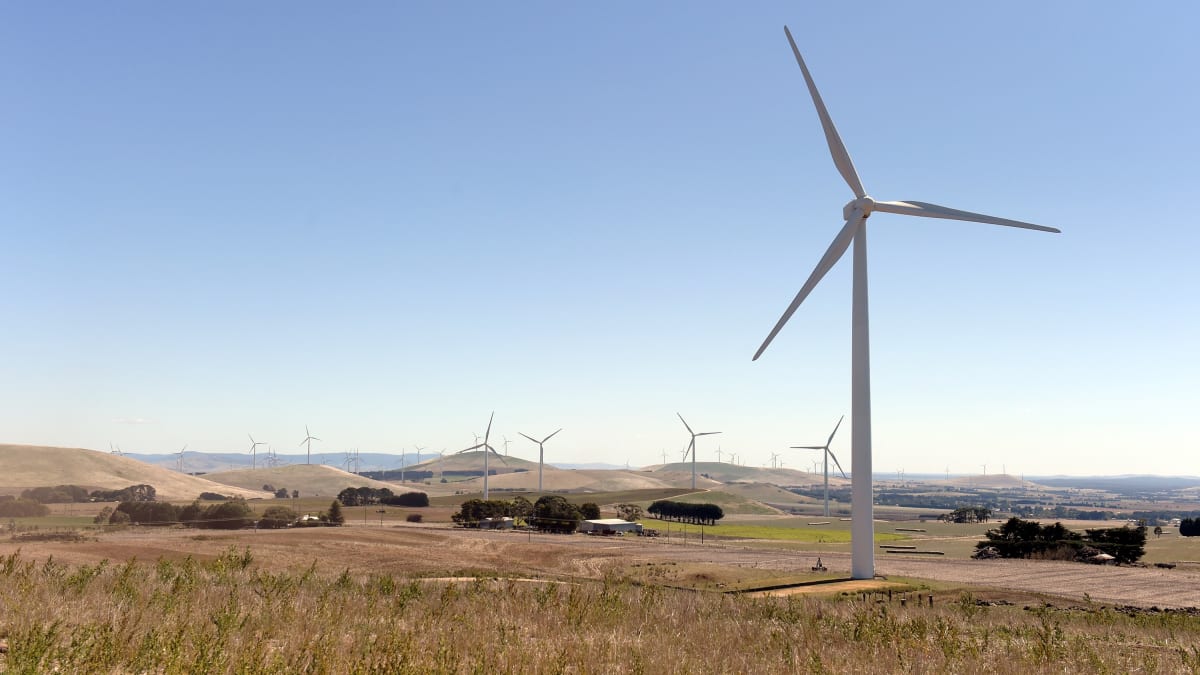
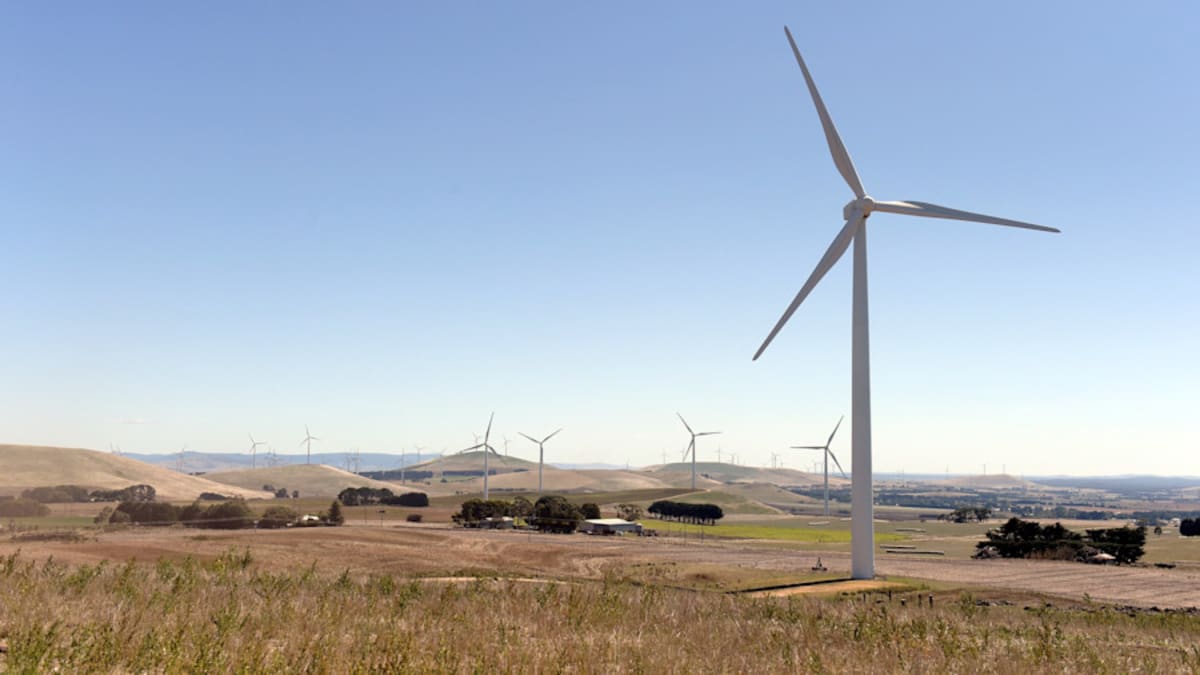
After eight years of patience and problem-solving, Australia's largest wind project in over two years just reached the finish line, signaling hope for the country's clean energy future. The $1.2 billion Gawara Baya wind farm proves that persistence pays off, even when the path gets rocky.
After eight years of navigating lawsuits, environmental concerns, and design challenges, Australia's biggest wind project in more than two years is finally breaking ground in northern Queensland.
Copenhagen Infrastructure Partners acquired the $1.2 billion Gawara Baya wind farm in late August and immediately began construction. The massive project includes 408 megawatts of wind power and a 104-megawatt battery storage system that will strengthen Australia's aging electrical grid.
The journey wasn't easy. Australian developer Windlab spent nearly a decade working through permits, a year-long legal challenge from an anti-renewables group, and careful redesigns to protect endangered bird species near World Heritage rainforests.
John Martin, CEO of Windlab, says patience and adaptability made the difference. "We just accept it's going to take seven to ten years to get a project from first finding it through to closing," he explains.
The project started with plans for 136 wind turbines but was cut in half after four years of ecological research and conversations with local communities, including indigenous landowners. Windlab added battery storage and created Australia's first renewable energy biodiversity strategy, which requires a 10 percent improvement in local ecology over 20 years.
The battery system does more than store power. It actually stabilizes the grid in northern Queensland, where the electrical network gets shaky at its outer edges.
The Ripple Effect
This breakthrough comes at a critical moment for Australia. The country needs to nearly double its renewable energy share to hit its 82 percent clean energy target by 2030, and last year saw new wind projects reaching financial approval drop by 59 percent.
Over the next decade, Australia plans to retire 15 gigawatts of coal and gas power plants while electricity demand surges 40 percent. David Dixon, a senior analyst at Rystad, calls the recent slowdown in wind development "absolutely" a drought, saying "any wind farm reaching financial close is significant on the east coast as so few wind projects are going ahead."
Gawara Baya is just the fifth wind project under Australia's flagship Capacity Investment Scheme to reach financial approval since the program launched in 2023. Ten banks stepped up with $1.2 billion in project financing, backed by long-term power purchase agreements that made the investment case strong.
The project will bring clean power to thousands of homes while creating jobs in northern Queensland and proving that Australia can still attract major renewable energy investment despite rising costs and regulatory hurdles.
This wind farm shows that big clean energy projects can work when developers take time to get community support, protect local ecosystems, and adapt to challenges along the way.
More Images
Based on reporting by Google: clean energy investment
This story was written by BrightWire based on verified news reports.
Spread the positivity!
Share this good news with someone who needs it