Australia's Clean Energy Thrives Despite Global Chaos
While the world faced pandemic chaos, war, and energy crises, Australia's solar and battery systems kept getting cheaper and more reliable. The nation's energy system absorbed massive shocks and emerged stronger than anyone expected.
When the world threw everything at Australia's energy grid over the past five years, something remarkable happened instead of collapse.
The pandemic arrived first, then soaring inflation, followed by the Ukraine war that sent global gas prices through the roof. Data centers suddenly demanded massive new power supplies worldwide. Each crisis seemed designed to break the system.
Australia felt it hard. In 2022, electricity prices spiked to $189 per megawatt hour, the highest in decades. Gas generators sometimes chose not to run because selling their fuel was more profitable than making electricity.
Paul Graham, Chief Energy Economist at CSIRO, has tracked these changes through GenCost, a project that measures how energy technologies evolve. He remembers when forecasting was simple, back in 2017 when the world was stable and technology costs dropped predictably.
"We've had one crisis after another," Graham says. "It's been one of the most unstable periods for a long time."
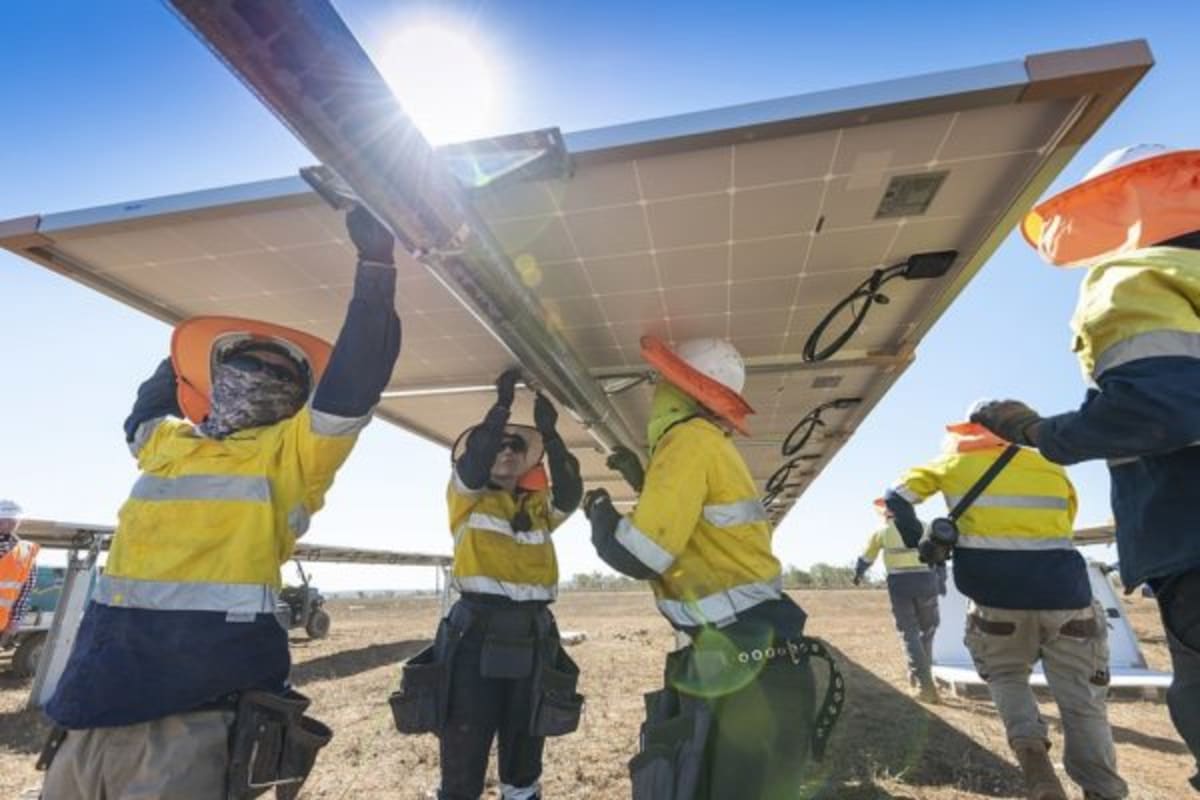
Yet something unexpected emerged from the chaos. Solar panels and batteries kept getting cheaper, even as traditional energy sources became more expensive. China's manufacturing strength kept production humming despite global disruptions.
"We've got this two-track world now," Graham explains. "One set of technologies is getting more expensive each year, and another set is still getting cheaper."
Wind turbines and gas generators faced supply chain nightmares and price increases. The data center boom in America bought up global gas turbine supplies, leaving other countries scrambling. Australia now questions whether it can even secure new gas turbines while the United States dominates orders.
But solar and batteries proved uniquely resilient. Their modular design works everywhere, from rooftops to massive solar farms. They kept delivering cost reductions long after most mature technologies would plateau.
The Bright Side
Australia's grid didn't just survive the global chaos. It adapted in real time, absorbing shocks that would have crippled systems relying entirely on traditional fuels. The rapid expansion of affordable solar and battery storage gave the country options when gas became unreliable and expensive.
The contrast shows clearly in global deployment numbers. Solar and batteries continue expanding rapidly worldwide, while wind growth has slowed under pressure. Australia found itself accidentally prepared for instability by investing in technologies that could withstand whatever the world threw at them.
Graham's forecasting work transformed too. Early GenCost reports focused purely on technology improvements and manufacturing trends. Now the team must factor in geopolitics, trade wars, and unpredictable global events.
"We can be scientific about inherent qualities," Graham says, "but world events are more difficult to predict."
What looked like a crisis revealed hidden strength in Australia's emerging energy system.
Based on reporting by PV Magazine
This story was written by BrightWire based on verified news reports.
Spread the positivity!
Share this good news with someone who needs it