Australia's Electric Buses Cut Costs 72% and Clear the Air
Australian bus companies are slashing operating costs by 72% while cleaning up city air by switching to electric buses. With local manufacturers ready to scale up production, state governments now hold the key to a nationwide green transport revolution. #
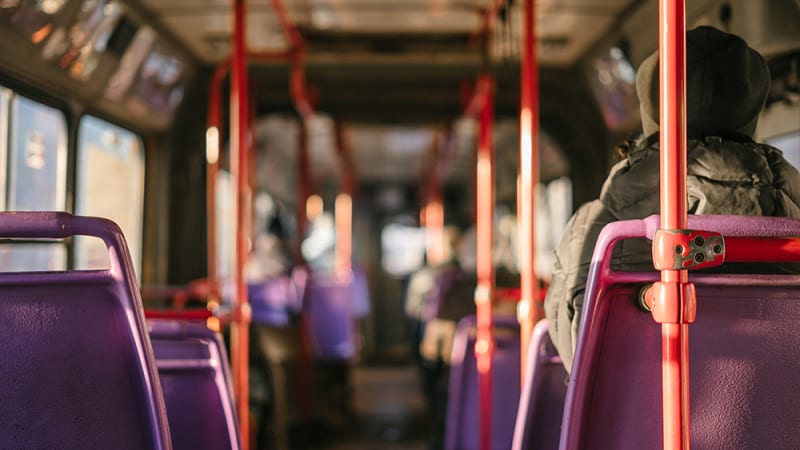
Electric buses are proving they can do more than just reduce emissions. They're saving Australian transit companies serious money while making city air cleaner and quieter for everyone who lives there.
The numbers tell a compelling story. Premier bus company in Nowra is already running an electric bus that covers 290 kilometers per day across 15-hour shifts and still returns to the depot with 45% battery remaining. The kicker? Daily running costs dropped 72% compared to their diesel fleet.
Australia's bus industry isn't waiting around. Precision Buses in Adelaide is now producing electric buses locally for contracts across South Australia, NSW, Queensland, and Victoria. Volgren, the country's largest bus body manufacturer, has started electric bus production at their Melbourne headquarters.
The transition makes financial sense beyond the fuel savings. Over the lifetime of a vehicle, electric buses already compete with conventional buses on total cost. Industry experts predict they'll reach price parity even sooner, possibly by 2030, as adoption rates climb.
Transit Systems in Sydney is testing electric buses on some of the city's busiest routes. The trial is showing that renewable energy can power public transport effectively, similar to how Sydney's Metro NorthWest already sources all its electricity from the Beryl Solar Farm in NSW.
Transport currently generates 21% of New South Wales' annual greenhouse gas emissions. Switching bus fleets to electric power charged by renewable energy could make a serious dent in those numbers while improving daily life for city residents.
The Ripple Effect
The benefits extend far beyond the balance sheet. Electric buses run almost silently compared to their diesel predecessors, reducing noise pollution in busy urban corridors. They produce zero tailpipe emissions, meaning cleaner air for pedestrians, cyclists, and people living near bus routes.
Local manufacturing is creating jobs while building expertise in electric vehicle production. As Australian companies scale up, they're positioning the country to compete in a rapidly growing global market.
Cities worldwide are backing this shift with their wallets. More than 34 cities have pledged to buy only zero-emissions buses from 2025, representing 80,000 vehicles and sending a clear market signal. Bloomberg projects electric buses will make up half the global fleet by 2025.
The main barriers to faster adoption are known and solvable. Purchase costs, charging infrastructure, vehicle range, and electricity grid impacts all need policy support to address at scale. State governments can accelerate the transition by providing clear policy direction and financial certainty for transit operators.
Australia has the technology, the manufacturers, and the proven business case ready to go. The electric bus revolution is here, waiting for policy to catch up with possibility.
#
Based on reporting by Google News - Emissions Reduction
This story was written by BrightWire based on verified news reports.
Spread the positivity!
Share this good news with someone who needs it