Australia's Largest Smelter Goes 100% Green by 2033
Australia's biggest aluminum smelter just secured a pathway to run entirely on renewable energy, preventing closure and slashing 1.5% of the nation's climate pollution. The deal will spark development of more clean energy than a giant coal plant produces.
A massive industrial facility that consumes more than 10% of New South Wales' electricity just got a green makeover that will ripple across Australia's energy future.
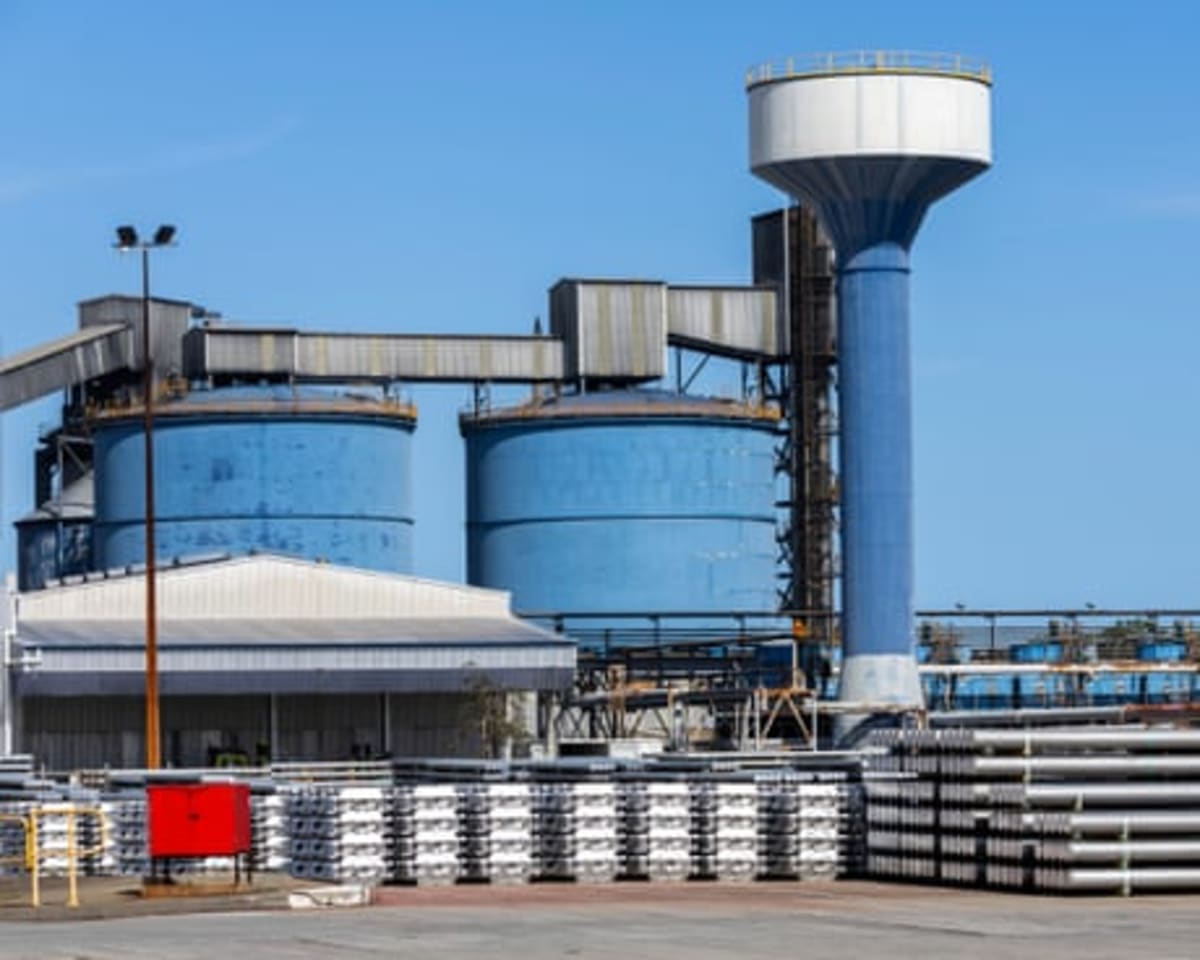
The Tomago aluminum smelter near Newcastle secured a $2.5 billion deal with federal and state governments to transition entirely to renewable energy by 2033. The agreement prevents the facility's potential closure and creates a blueprint for heavy industry to go clean without going under.
The numbers tell an exciting story. By switching from coal to renewables, Tomago will eliminate 7.1 million tonnes of greenhouse gas emissions annually. That's equivalent to 1.5% of Australia's total climate pollution disappearing each year.
The deal kicks in after Tomago's current coal-based electricity contract expires in December 2028. Rio Tinto, which co-owns the smelter, committed to invest $1.1 billion in the facility over the next 12 years, including $100 million specifically for decarbonization projects.
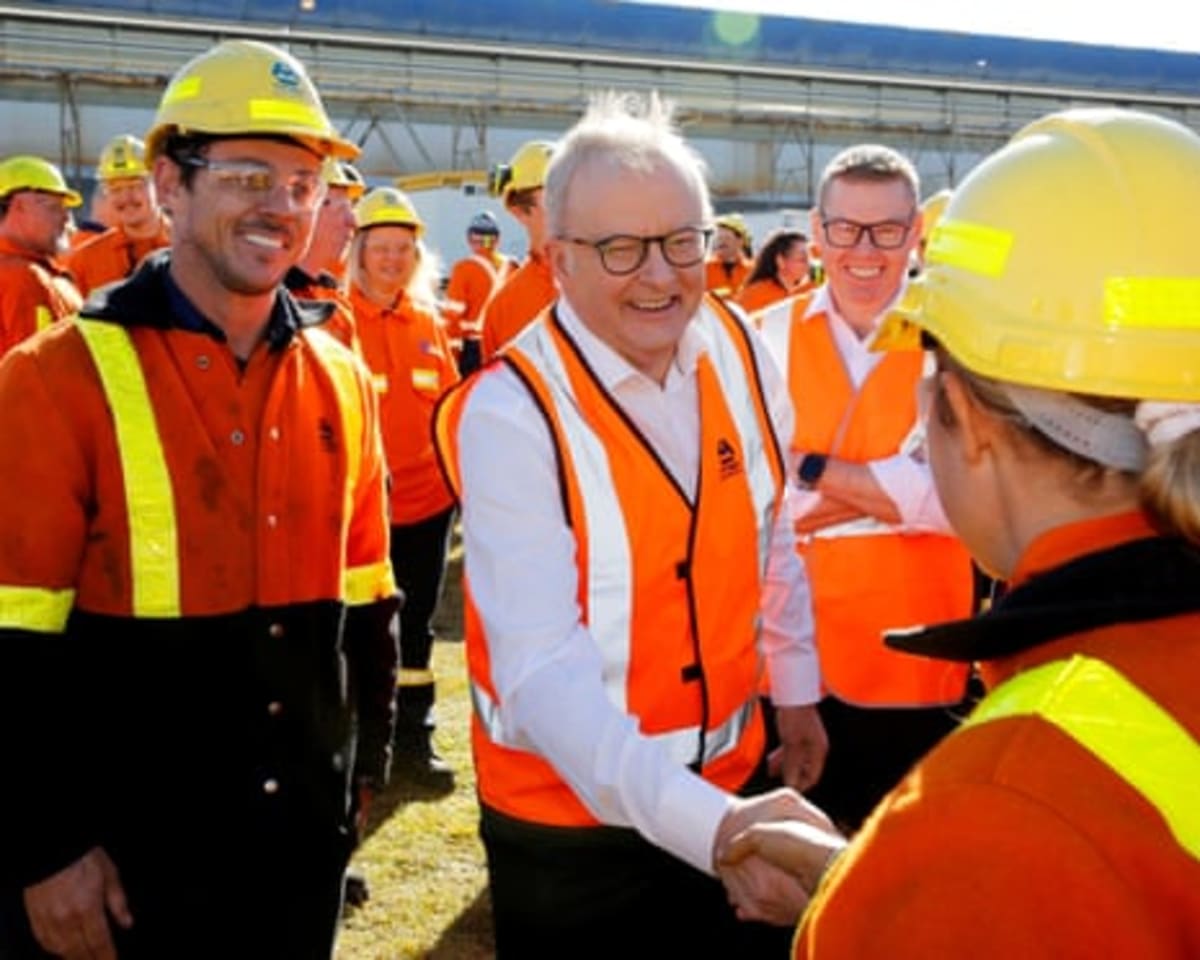
Prime Minister Anthony Albanese and NSW Premier Chris Minns announced the agreement at the smelter Thursday, emphasizing its importance for the 1,000 people directly employed there and 5,000 more supported indirectly. The Hunter Valley region depends heavily on the facility's economic impact.
The Ripple Effect
The transition will drive construction of nearly 3,000 megawatts of new renewable energy and battery storage across New South Wales. That's more generation capacity than an entire coal-fired power station.
Energy Minister Chris Bowen said the new capacity will come from wind farms and solar projects backed by batteries spread throughout the state. Many projects already have environmental approval but haven't reached final investment decisions. This deal gives them the certainty needed to break ground.
The agreement represents a shift in how governments and industry tackle the energy transition together. Rather than watching heavy industry collapse under rising power costs, the public sector stepped in to bridge the gap while renewable infrastructure catches up to demand.
Independent MP Nicolette Boele noted that countries like Canada, Norway, and Iceland already run aluminum smelters on cheap, steady renewable power from hydro and geothermal sources. Australia's superior sun and wind resources position it to compete globally as other nations increasingly favor low-carbon products.
The deal follows similar commitments including $2 billion for Rio Tinto's Boyne smelter in Queensland and $2.4 billion for South Australian steelworks. Together, these agreements signal that Australia's industrial heartland can transform without leaving workers and communities behind.
This transition proves that heavy industry and climate action aren't enemies but partners in building a cleaner, more competitive economy that works for everyone.
More Images


Based on reporting by Google News - Clean Energy
This story was written by BrightWire based on verified news reports.
Spread the positivity!
Share this good news with someone who needs it