Australia's Rarest Reptile Found After 25 Years
With fewer than 20 individuals discovered in a remote NSW park, the kungaka skink has been confirmed as a distinct species and Australia's rarest reptile. Scientists and traditional landowners are racing to protect the "hidden one" from extinction.
Deep in the gorges of far west New South Wales, researchers have just confirmed what may be Australia's most precious wildlife discovery in decades.
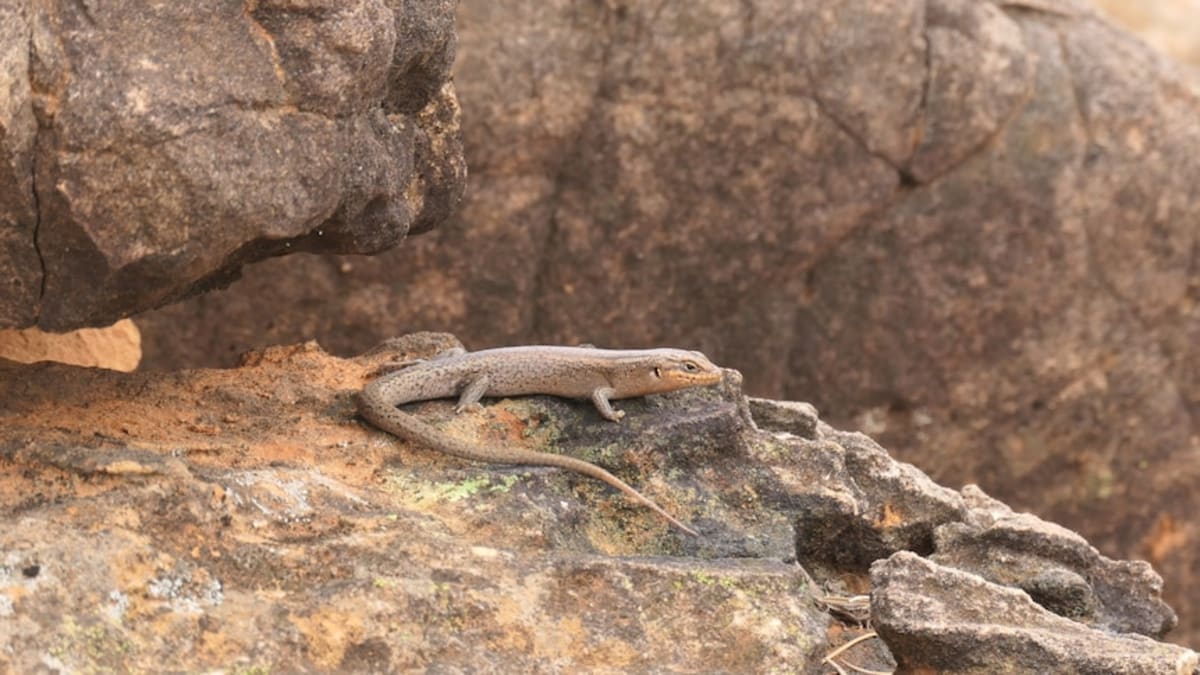
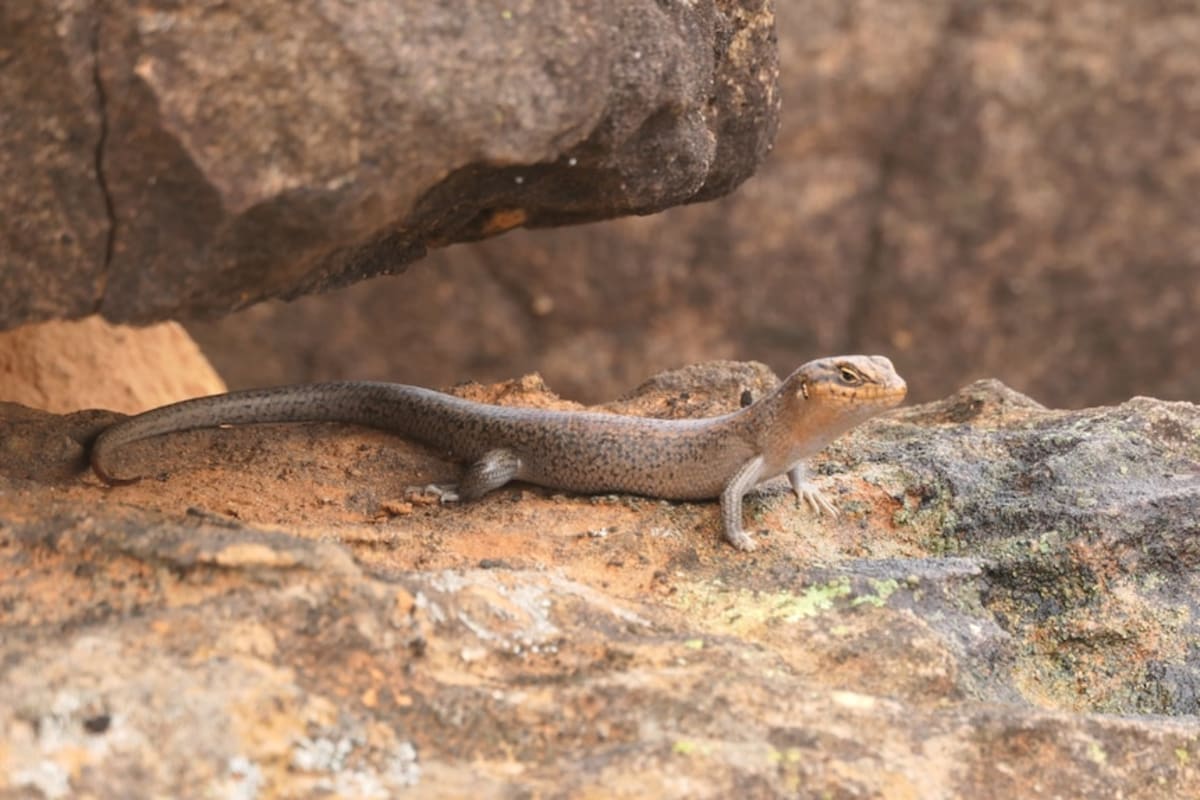
After 25 years of careful study, the kungaka skink has been formally identified as its own distinct species. With fewer than 20 individuals recorded, it now holds the title of Australia's rarest reptile.
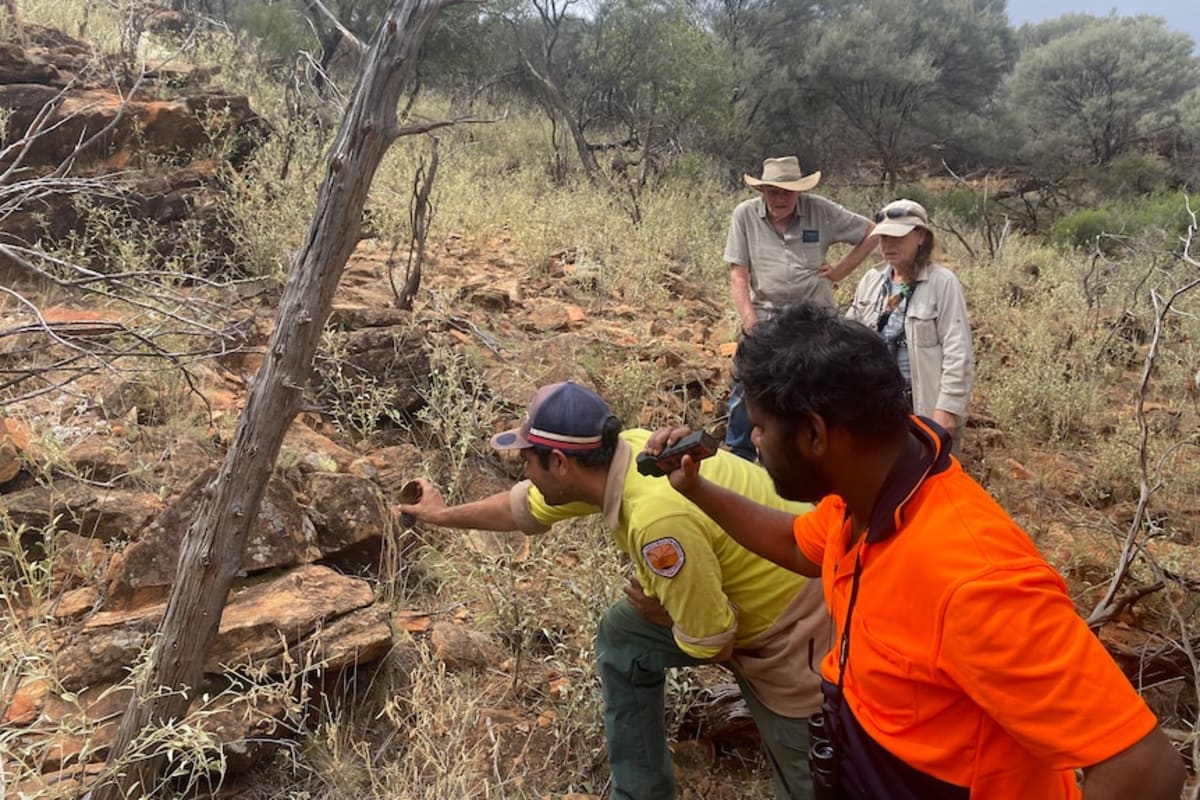
The name kungaka means "hidden one" in the language of the Wiimpatja people, the traditional owners of Mutawintji National Park where the skink lives. It's a fitting name for a creature that spends most of its life tucked away in rock crevices, seeking moisture in one of the continent's most arid regions.
Dr. Jodi Rowley from the Australian Museum led recent research teams who analyzed the skink's genetics and body shape. They discovered the kungaka is completely isolated from its closest relatives, found 500 kilometers away in southeast Australia. This tiny population exists nowhere else on Earth.
Warlpa Thompson, chair of the Mutawintji Board of Management, has been part of the discovery journey. He describes the kungaka as functionally extinct due to dangerously low numbers, making immediate action critical.
The Ripple Effect
The kungaka's survival story represents something bigger than one rare reptile. It shows how combining Indigenous knowledge with scientific research creates powerful conservation outcomes.
Traditional owners named and protected these lands long before formal monitoring began. Now, working alongside scientists, they're developing strategies to pull the kungaka back from the brink.
The threats are serious. Feral goats destroy the vegetation coverage the skinks need for habitat. Natural predators like goannas and snakes hunt the remaining population. Extreme drought threatens the moist rock crevices where kungaka shelter.
But the response is equally serious. Researchers are working to understand every threat the species faces. Goat control programs will protect critical habitat. The Mutawintji Board is developing a five year strategy to stabilize and hopefully grow the population.
Dr. Rowley calls the kungaka a scientifically and culturally important animal. The fact that it survives in such harsh conditions, finding tiny pockets of moisture in arid country, makes it remarkable.
Thompson and his team are clear about their commitment: they'll do everything possible to maintain the current population while building numbers for the future.
In the red earth of far west NSW, hope for Australia's rarest reptile is growing stronger every day.
More Images

Based on reporting by ABC Australia
This story was written by BrightWire based on verified news reports.
Spread the positivity!
Share this good news with someone who needs it