Australia's Red Desert Could Power the World With Hydrogen
Scientists discovered that Australia's iron-rich Pilbara region can naturally produce clean hydrogen fuel when magnetite reacts with hot underground water. The breakthrough could transform the country into a major green energy exporter while solving clean fuel challenges for jets, ships, and trains.
Australia might be sitting on one of the world's largest clean energy sources, and it's been hiding beneath the red deserts all along.
Researchers at Edith Cowan University have unlocked a game-changing method to produce hydrogen fuel using magnetite, a mineral abundant in Western Australia's iron ore deposits. When this naturally occurring mineral reacts with hot water deep underground, it creates hydrogen gas without needing massive amounts of electricity or fossil fuels.
The discovery could solve one of green energy's biggest puzzles. Hydrogen can power heavy machinery like cargo ships, aircraft, and freight trains, but creating it through traditional electrolysis requires enormous amounts of energy. If that electricity comes from coal or gas, the hydrogen isn't truly clean. If it comes from solar or wind, the costs and scale become challenging.
Lead researcher Associate Professor Alireza Keshavarz believes the potential is massive. "There is enough hydrogen for Australia to benefit for generations, and potentially enough for us to become a major exporter of clean energy to the rest of the world," he said.
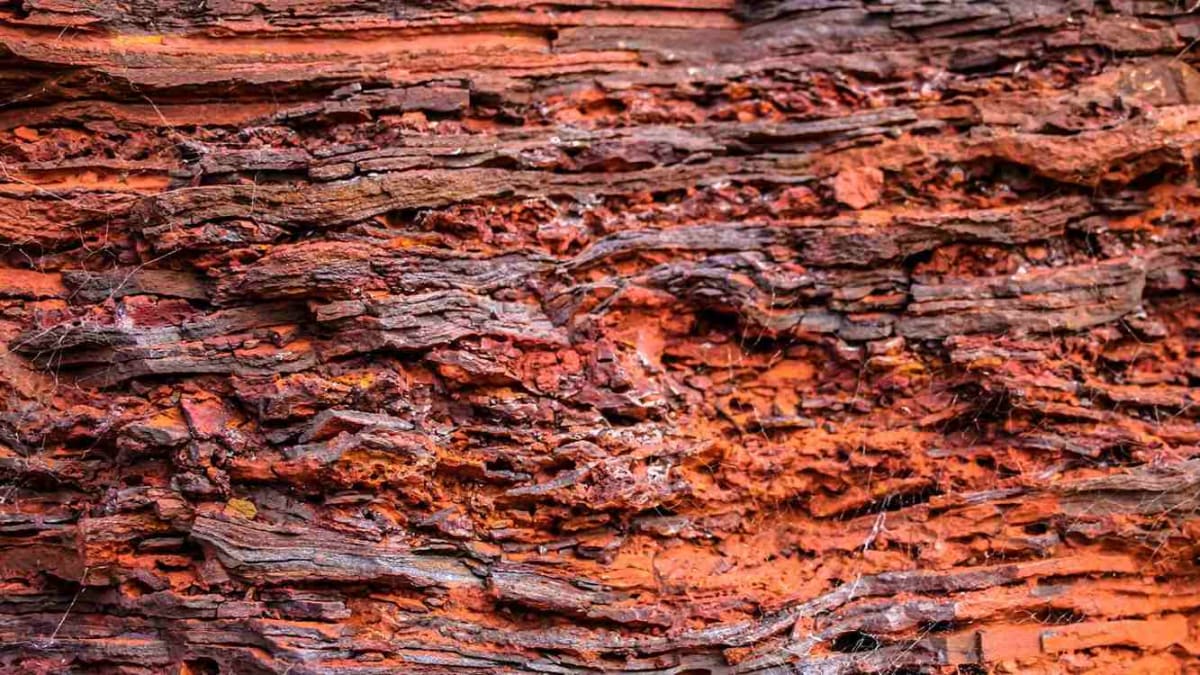
The team tested their theory by exposing magnetite samples to water at 200°C under high pressure for 60 days, mimicking conditions found deep beneath Australia's famous red deserts. The iron oxide-rich rock that gives these landscapes their distinctive color could be the key to a cleaner future.
Lead author Kaveh Moghanirahimi noted that Western Australia hosts some of the world's largest banded iron formations. The research showed that powdered magnetite produced five times more hydrogen than solid rock slabs because water could access more mineral surfaces through pores and fractures.
The Ripple Effect
This isn't just about Australia's energy independence. Countries worldwide struggle to find clean fuel alternatives for industries that can't easily switch to batteries. Shipping, aviation, and heavy transport need energy-dense fuels, and hydrogen fits that bill perfectly.
The research team discovered they can stimulate hydrogen production by injecting solutions into these iron formations, making the process scalable. Professor Stefan Iglauer explained that understanding how water accesses fresh mineral surfaces through fractures and permeable pathways brings the science closer to real-world applications.
While the 60-day experiment produced tiny amounts of hydrogen, the researchers emphasize that scale changes everything. When you're working with vast continental deposits instead of laboratory samples, those small yields multiply dramatically.
Western Australia could strengthen its energy security during global crises while helping other nations transition away from fossil fuels. The research, published in the International Journal of Hydrogen Energy, provides crucial insights into how natural hydrogen forms and what conditions sustain its production.
More Images
Based on reporting by Good News Network
This story was written by BrightWire based on verified news reports.
Spread the positivity!
Share this good news with someone who needs it