Australia's Red Desert Turns Green After Record Rain
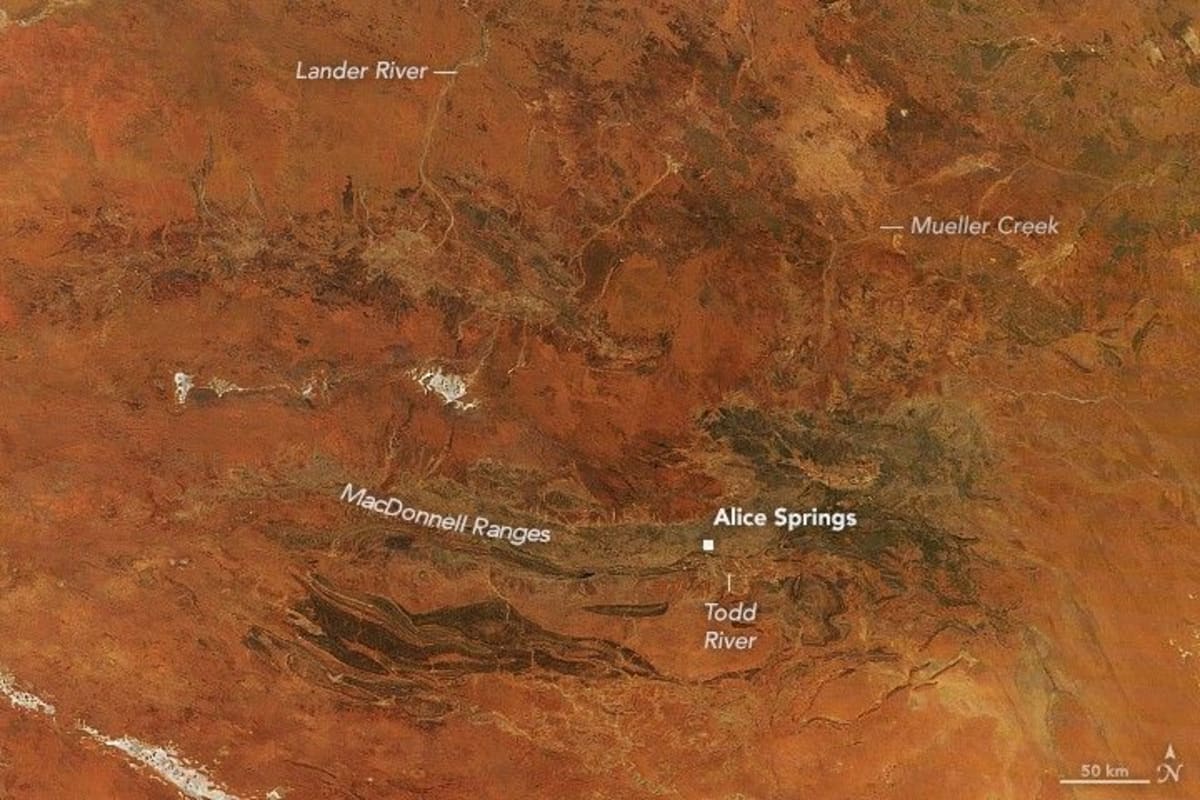
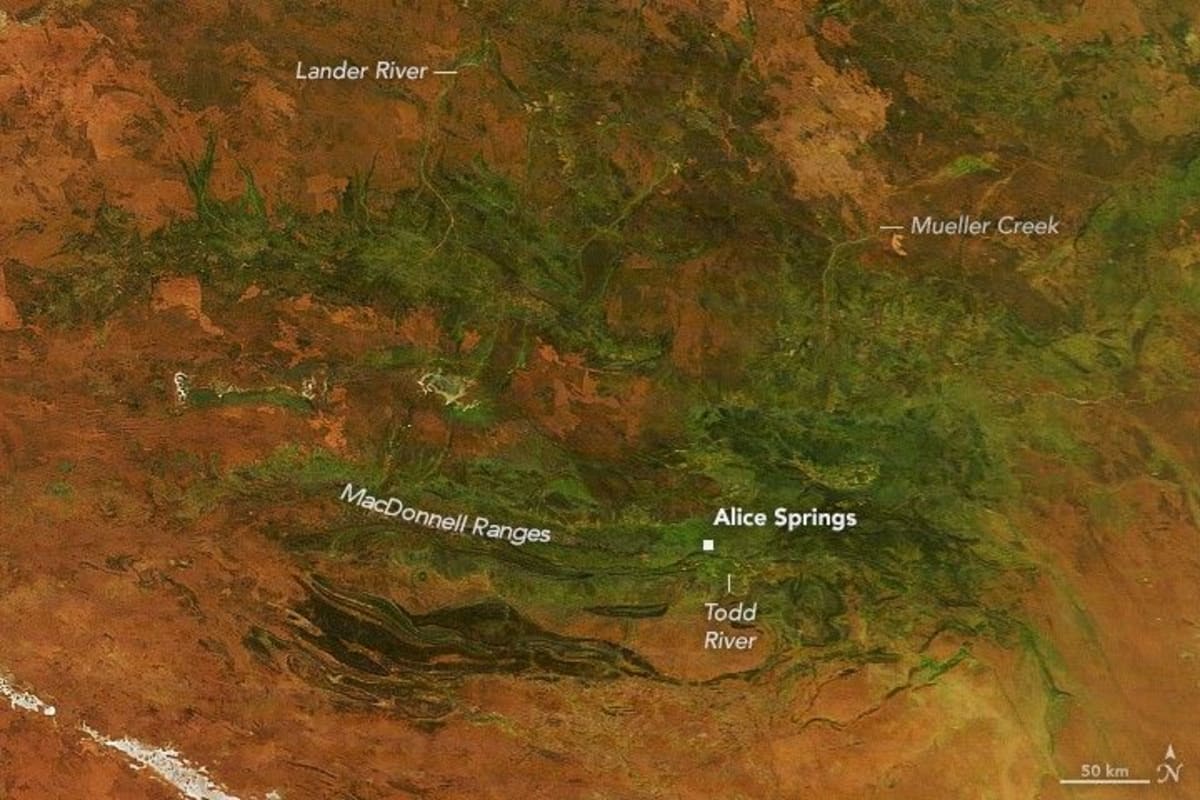
Central Australia's iconic rusty desert landscape transformed into a lush green paradise after February 2026 brought the third-wettest rains in over a century. NASA satellites captured the stunning before-and-after images of dormant vegetation springing to life across vast stretches of the outback.
Australia's famous "Red Centre" just pulled off one of nature's most spectacular costume changes, turning from rusty desert to emerald oasis in a matter of weeks.
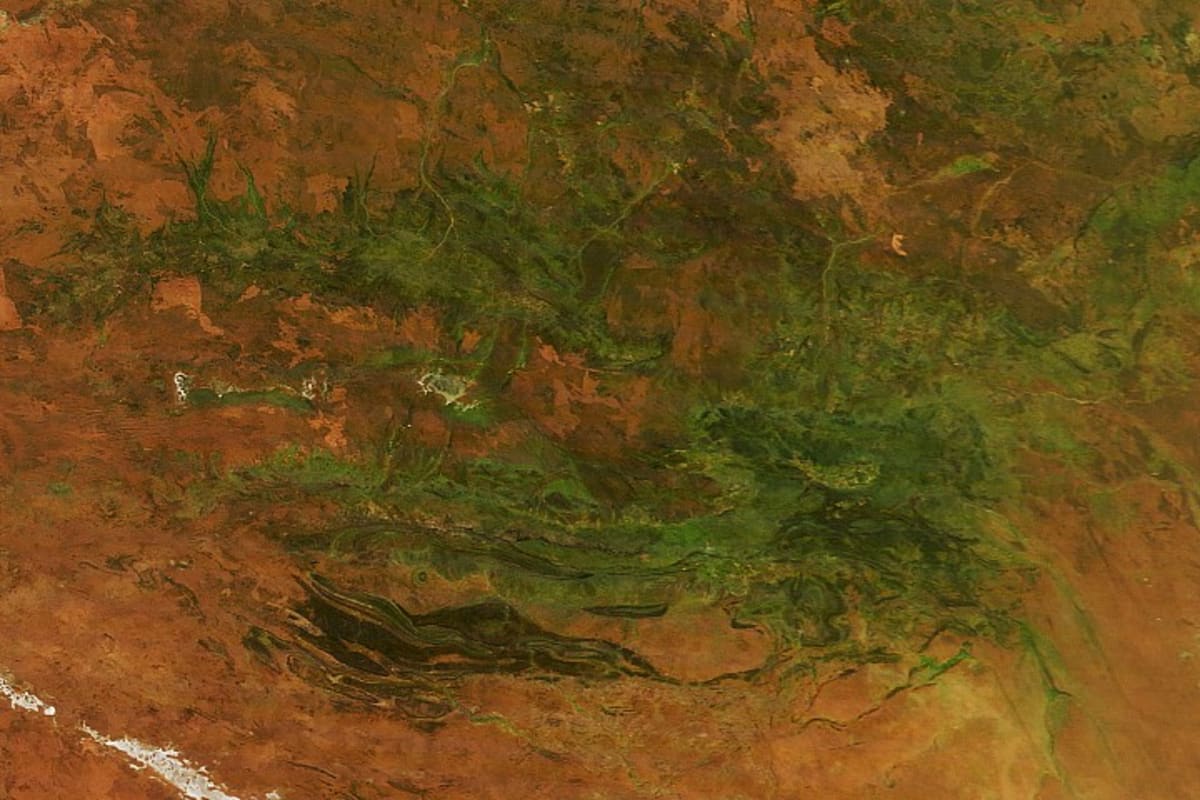
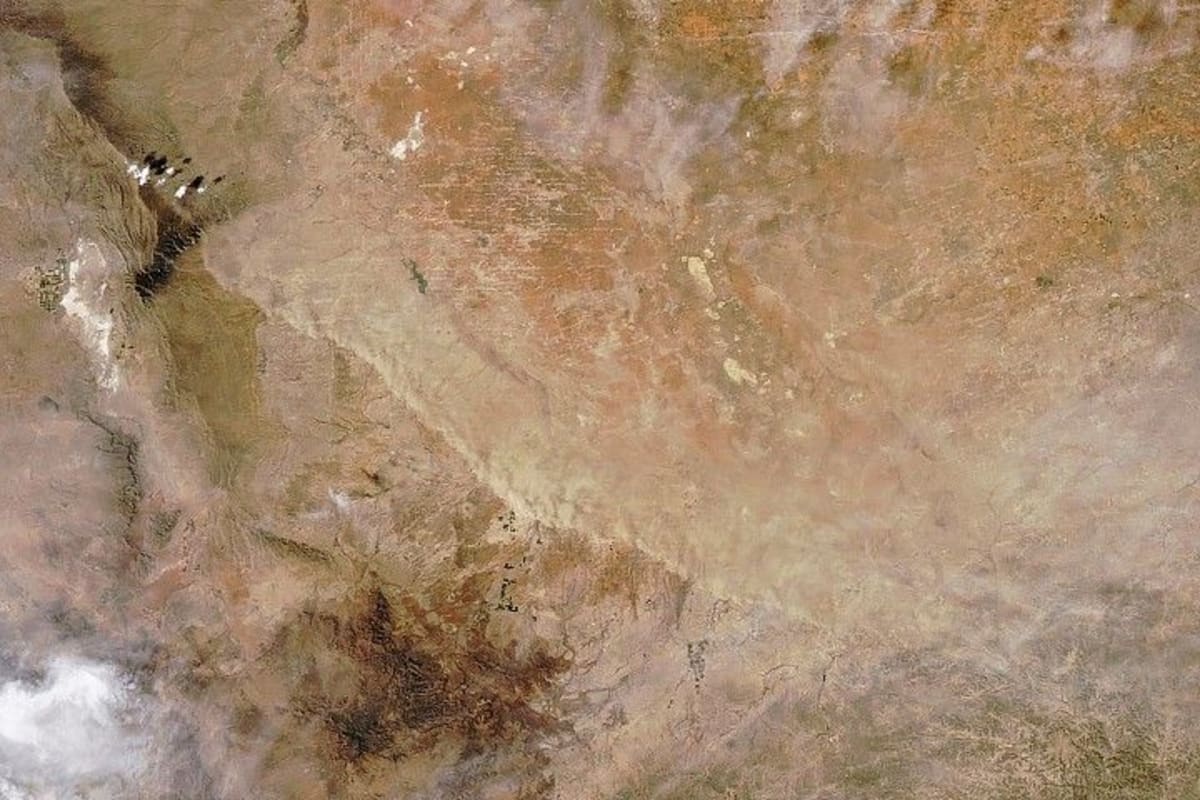
NASA satellites captured the dramatic transformation near Alice Springs in March 2026, revealing what happens when one of Earth's driest regions gets drenched. The images show vast areas of typically barren landscape bursting with green vegetation after record rainfall soaked Central Australia.
February 2026 delivered an incredible 239 millimeters of rain to the Northern Territory, making it the third-wettest February since record-keeping began in 1900. That's enough water to wake up plants that have been waiting years for their moment to shine.
The region earns its "Red Centre" nickname from iron-rich rocks that have oxidized over millennia, giving the landscape its signature rusty color. But beneath that red surface, seeds and roots of resilient native plants lie dormant, sometimes for years, waiting patiently for enough rain to trigger their growth.
When the rains finally came this February, dry riverbeds like the Todd River began flowing again. Dormant vegetation across the desert and surrounding mountains responded almost immediately, carpeting the landscape in shades of green that locals rarely see.
The Bright Side
While the transformation looked magical from space, the heavy rains did create challenges on the ground. Flash flooding in Alice Springs uprooted trees and temporarily stranded some residents, and officials declared a natural disaster as a tropical low system stalled over the region for nearly a week.
But these periodic flooding events are actually part of the desert's natural cycle. The moisture doesn't just create a temporary green show; it recharges underground water reserves and provides vital nutrients that sustain the ecosystem during the long dry periods that follow.
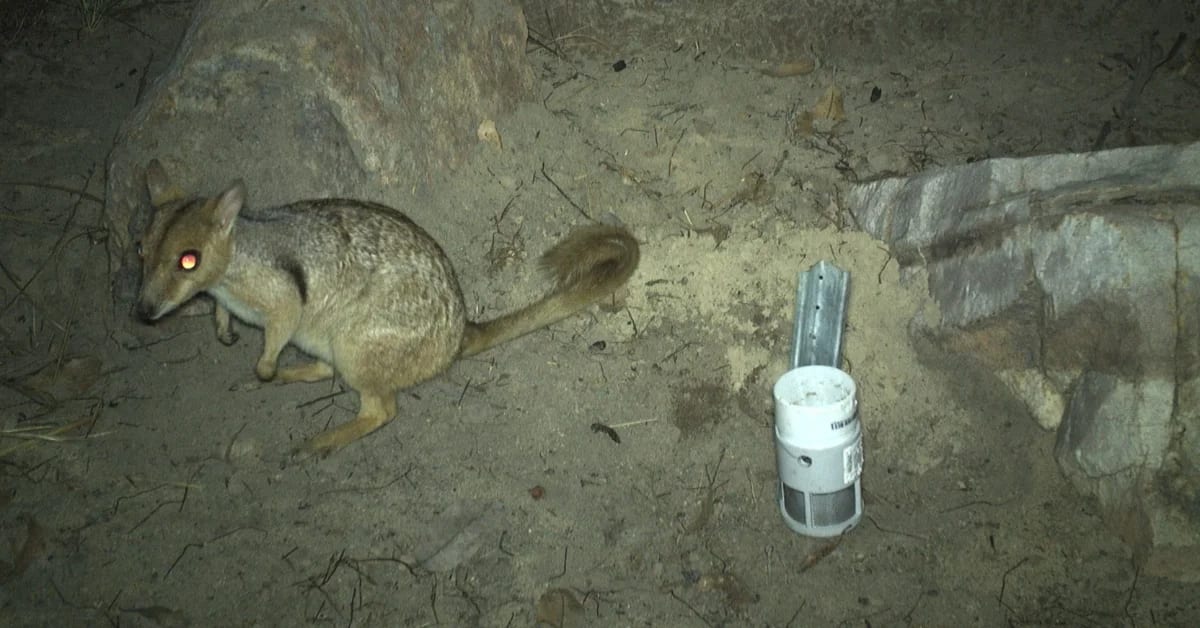
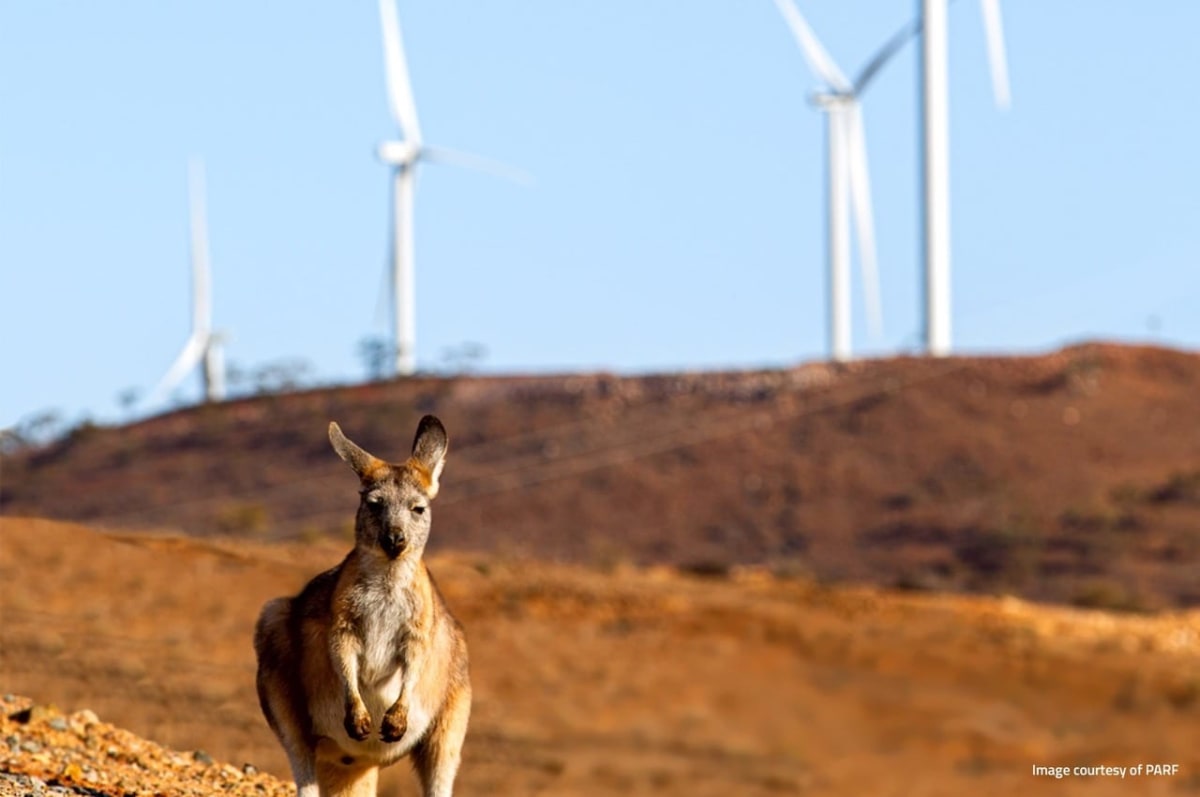
The greening also supports wildlife that depends on these rare wet periods to breed and replenish their populations. Desert birds, insects, and small mammals time their life cycles around these unpredictable rain events, making the most of the temporary abundance.
NASA's Terra satellite continues monitoring the region as Australia heads into its drier months. The green won't last forever, but the seeds produced during this fertile period will wait patiently in the soil, ready for the next big rain to paint the Red Centre green once again.
More Images

Based on reporting by NASA
This story was written by BrightWire based on verified news reports.
Spread the positivity!
Share this good news with someone who needs it