Australia's Solar Batteries Cut Gas Use to 25-Year Low
Record summer heat usually spells trouble for power grids, but Australia's solar batteries just flipped the script. The country's first quarter of 2026 saw renewable energy meet surging demand while slashing gas generation to its lowest level since 1999.
When Australians cranked up their air conditioners during record-breaking heatwaves this summer, something remarkable happened. Instead of straining the power grid, the scorching sun became the country's greatest asset, with rooftop solar panels and batteries keeping the lights on while pushing fossil fuels aside.
Australia's energy market operator just released numbers that show how dramatically the country's power landscape is shifting. Renewable energy now supplies 46.5 percent of electricity across the eastern seaboard, up from 42.5 percent last year. Coal use dropped, and gas-fired generation fell to its lowest point in a quarter century.
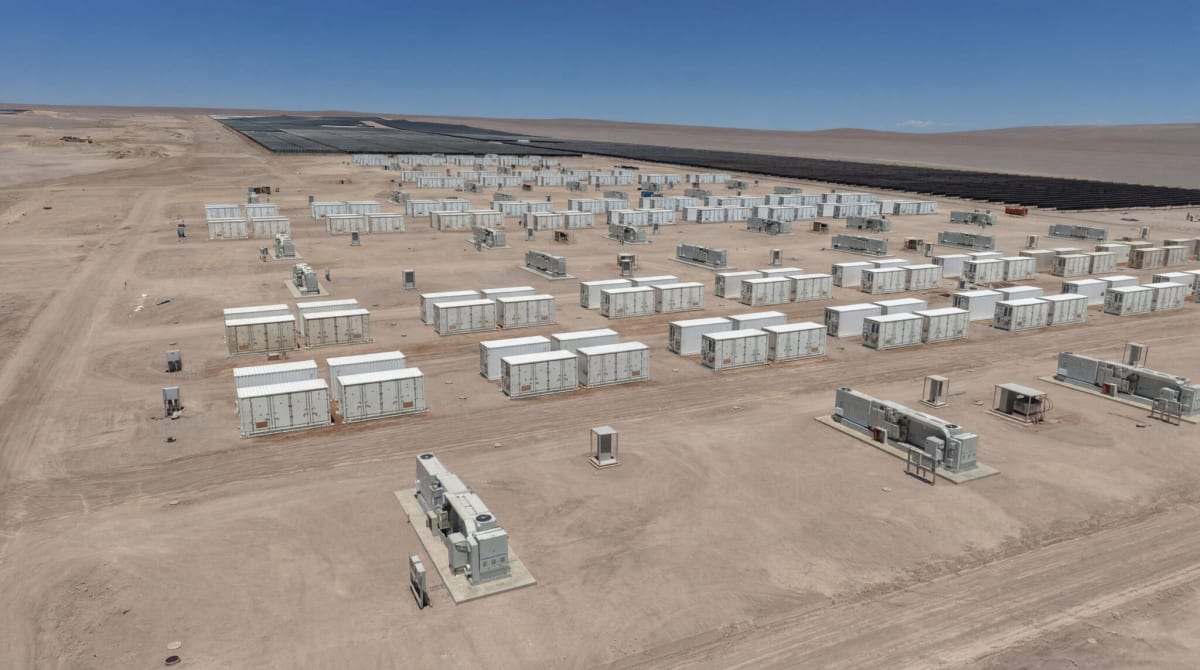
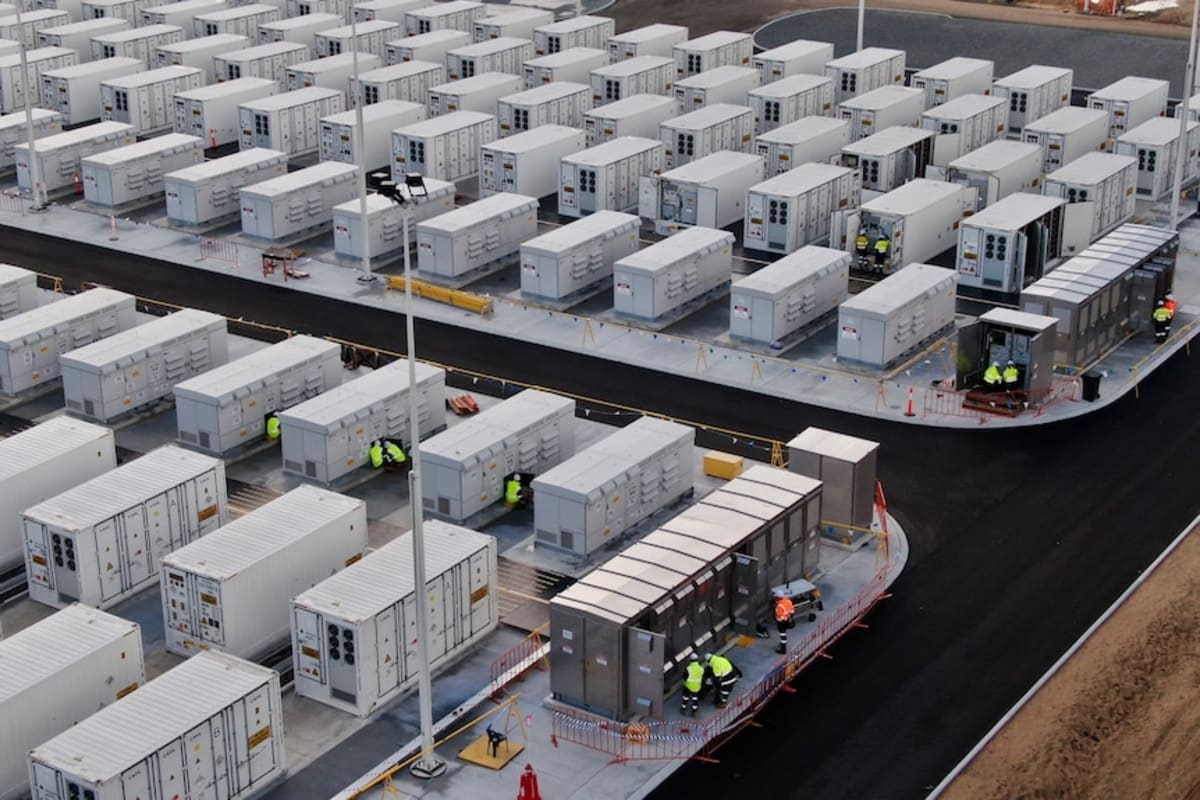
The real game changer? Grid-scale batteries that doubled in capacity over the past year. These massive storage systems are soaking up abundant midday solar power and releasing it during evening peak hours when families come home to cook dinner and turn on heaters.
That simple shift is replacing the need for gas plants that traditionally kicked in during high-demand periods. Gas generation dropped by more than a quarter compared to last year, while batteries moved three times as much stored solar power into evening hours.
"Batteries are overtaking gas as the main energy source for users at peak times," said Alison Reeve from the Grattan Institute. By meeting evening demand cheaper than gas, batteries are actually lowering wholesale electricity prices, which make up about 30 percent of household bills.
Western Australia is leading the charge, with grid-scale batteries regularly supplying more than 20 percent of electricity during certain periods. The state's renewable share jumped to 46 percent, with coal use down 18 percent.
The Ripple Effect
The benefits are flowing beyond just cleaner air. Total emissions from power generation dropped nearly 5 percent. Wholesale electricity prices averaged lower than the same period last year, despite record demand during the heatwaves.
Those savings are expected to reach consumers' wallets soon. Draft regulations propose household power bills could fall between 1.3 and 10.1 percent depending on region, with small business prices potentially dropping even more, up to 21.2 percent in some areas.
Perhaps most impressive is what didn't happen during the extreme heat. The grid sailed through multiple heatwaves without major outages or supply issues, proving that renewable energy can handle Australia's most demanding conditions. Experts say this marks a turning point where summer heat is now an advantage rather than a threat to power stability.
The final pricing guidelines arrive May 26 and take effect July 1, just in time for Australians to see the benefits of their renewable energy transformation reflected in lower bills.
Australia just proved that batteries and sunshine can power a nation through its toughest test while making electricity cleaner and cheaper for everyone.
More Images

Based on reporting by Google: renewable energy record
This story was written by BrightWire based on verified news reports.
Spread the positivity!
Share this good news with someone who needs it