Australia's World-Changing Ideas That Nations Now Follow
From secret ballots to seatbelt laws, Australia has quietly launched innovations that reshape how billions of people live. Now dozens of countries are copying its latest social media breakthrough for kids.
Australia just did something no country had dared to do before. In December 2025, it banned social media for everyone under 16 and made tech giants face real penalties for breaking the rules.
Britain, France, and Malaysia are already planning to follow. But this isn't Australia's first rodeo when it comes to starting global movements that make life better for millions.
In 2012, Australia stripped all branding from cigarette packages, replacing glossy logos with stark health warnings. Tobacco companies sued and lost. By 2016, the World Health Organization had adopted the approach into official guidelines.
Today, 17 countries from France to Singapore have implemented plain packaging laws. The goal was simple: kill the glamour, substitute the facts. It worked.
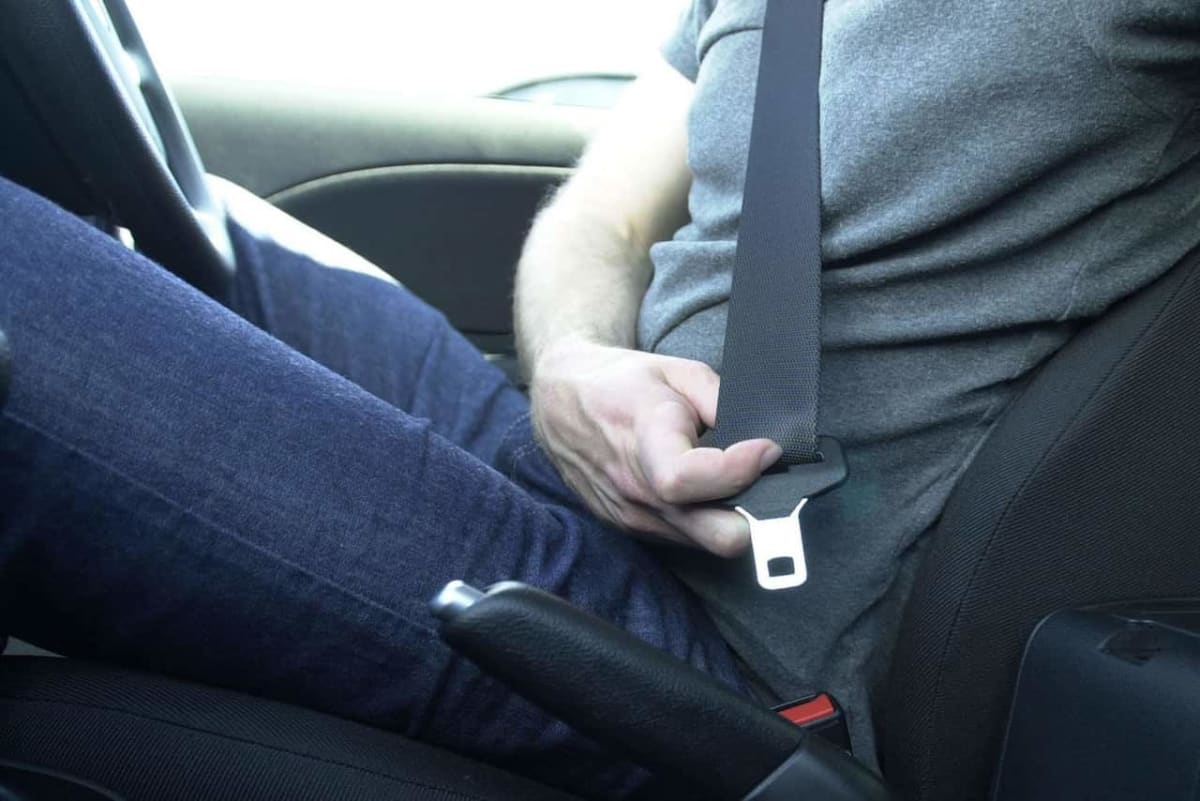
Go back further and you'll find Australia pioneered something we now take for granted every time we buckle up. Victoria became the first place on Earth to require seatbelts in 1970, after a devastating year when 3,798 people died on Australian roads.
Every Australian state followed within two years. Canada and Switzerland adopted seatbelt laws in 1976, the UK in 1983, and New York became the first US state in 1984.
The impact shows in the numbers. Despite Australia's population more than doubling since 1970, road deaths in 2025 dropped to 1,314 lives lost.
Australia also invented technologies we use without thinking about their origin. WiFi, cochlear implants, and spray-on skin for burn victims all came from Australian innovation. The dual flush toilet, now in bathrooms worldwide, saves billions of gallons of water.
Even how we cross streets safely traces back to Australia. The audio tactile pedestrian button, created in 1984, now guides people through intersections in Ireland, New Zealand, Singapore, and across the United States.
The Ripple Effect
Lucie Shawcross, exhibitions curator at the National Archives of Australia, points to something special about Australian innovation. It responds to real conditions, from vast distances to drought to multicultural influences.
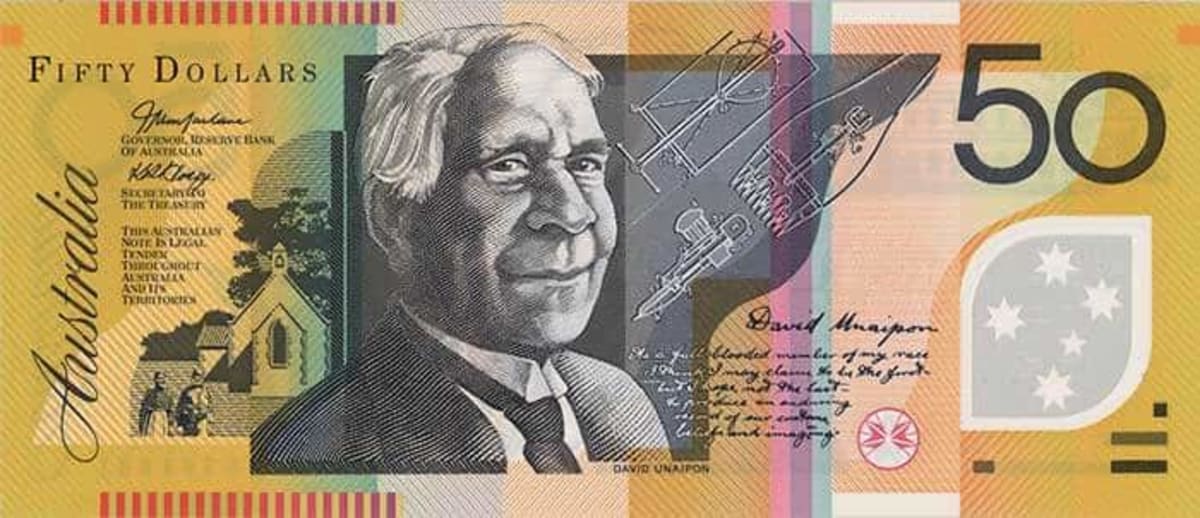
She highlights inventors like Yasukichi Murakami, who migrated from Japan in 1987 and created diving equipment that saved pearl divers' lives. And Ngarrindjeri man David Ngunaitponi (Unaipon), whose face appears on the $50 note, designed plans for a helicopter-like flying machine using spinning blades.
Yet Unaipon took out provisional patents for 19 inventions he couldn't afford to fully protect. His genius shaped the future, but the system failed to reward him during his lifetime.
What ties these innovations together is their focus on solving real problems for real people, whether that's road safety, public health, or protecting children online.
Countries around the world keep watching Australia because when it tackles a challenge, the solution often works.
More Images

Based on reporting by SBS Australia
This story was written by BrightWire based on verified news reports.
Spread the positivity!
Share this good news with someone who needs it