Autism Clue in Placenta Uncovered by CSHL Scientists
A pioneering discovery at Cold Spring Harbor Laboratory reveals how the placenta shields developing brains, unlocking fresh hope for early autism support. Researchers found that natural female protections could soon inspire groundbreaking therapies for boys.
Every parent dreams of giving their child the healthiest start in life, and science just brought that vision closer than ever. A groundbreaking discovery is reshaping how we understand early life, offering families new clarity on neurodevelopment before birth.
Scientists at Cold Spring Harbor Laboratory in New York have found a surprising clue to autism's origins hidden right inside the placenta. Their findings reveal that this vital organ acts as an active gateway for healthy brain development during pregnancy.
Genetics have long explained part of the autism spectrum, yet environmental conditions during pregnancy also play a crucial role. To understand that connection, Associate Professor Lucas Cheadle and postdoctoral researcher Irene Sanchez Martin examined how maternal inflammation impacts developing fetuses.
The team gently simulated an immune response in pregnant mice without introducing any active virus. Within 24 hours of inflammation at mid-pregnancy, the scientists observed notable developmental disruptions in about one-third of the fetuses.
The most striking discovery was a complete divergence between male and female fetuses. Across every test, autism-like traits appeared exclusively in males, while females continued to develop smoothly and without disruption.
What makes this observation truly remarkable is its timing. This protective divide appeared long before typical hormonal surges or sexual differentiation in the brain, pointing to an innate defense system.
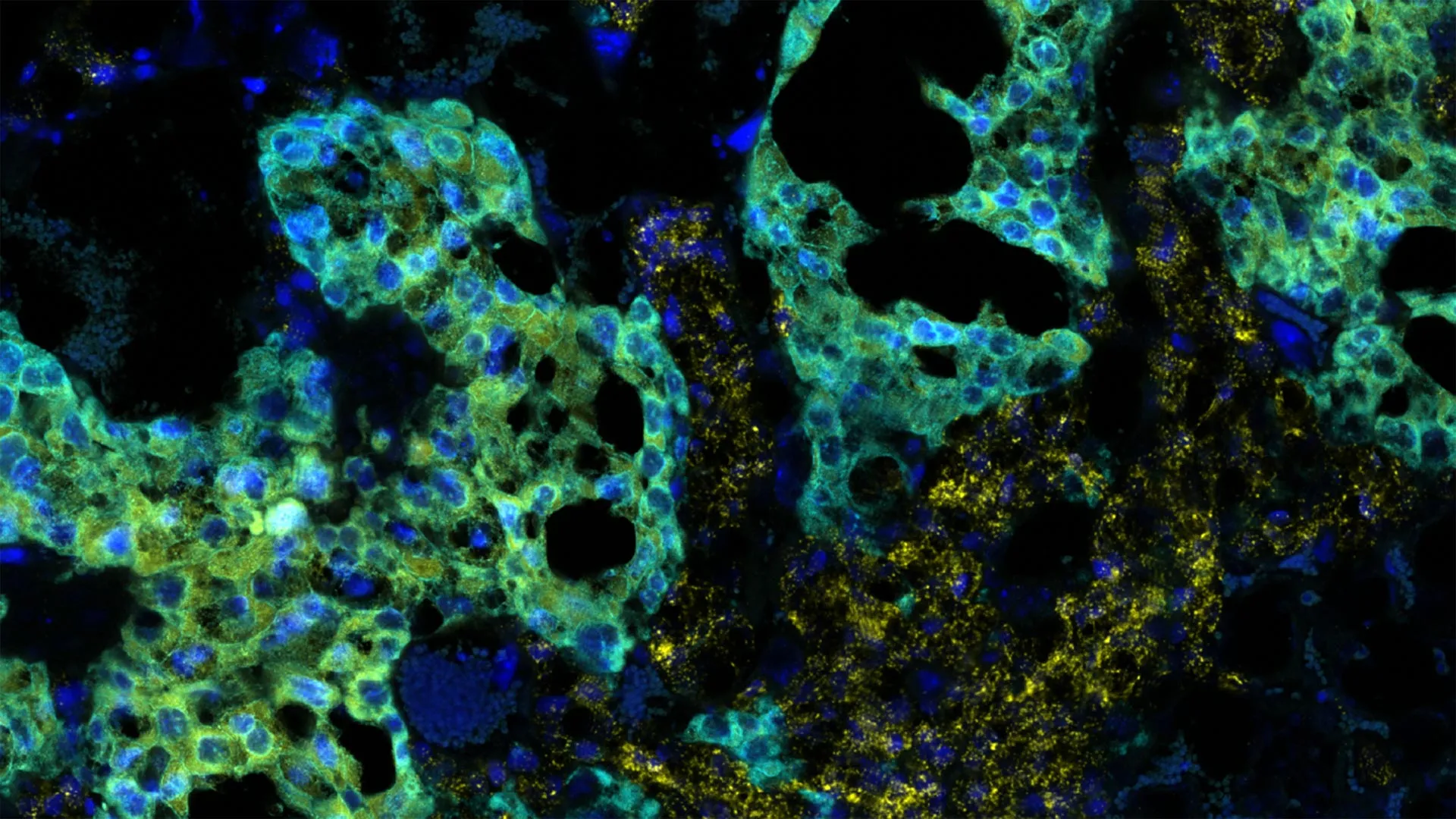
To solve the mystery, researchers turned their microscopes toward specialized placental cells known as spongiotrophoblasts. These hardworking cells sit right where maternal and fetal tissues meet, helping the mother's immune system welcome the growing baby.
In unaffected pregnancies, these cellular caretakers maintained a calm, nurturing barrier. Yet in male fetuses showing developmental changes, these cells suffered visible damage that compromised their protective shield.
Meanwhile, female fetuses possessed a natural safeguard that kept their placental cells intact and resilient. Cheadle's team believes this female advantage holds the secret to protecting male fetuses in the future.
The Ripple Effect
Understanding this biological shield opens thrilling new horizons for preventive medicine. By decoding the natural resilience found in female placentas, scientists hope to craft targeted therapies that protect all developing babies from inflammatory harm.
Looking beyond the brain directly into the placenta gives physicians an entirely new window for early, proactive care. This research paves the way toward simple maternal screenings and gentle therapies that ensure every pregnancy thrives.
With every new insight into the wonder of human development, the future of maternal and child health shines brighter than ever.
Based on reporting by Health Daily
Reset Your Focus With Today’s Daily Affirmations & Mood Check
Take a 60-second mindful pause with curated daily affirmations and our private positivity mood tracker.
Spread the positivity!
Share this good news with someone who needs it