Azerbaijan and Armenia Take Steps Toward Lasting Peace
After decades of conflict, Azerbaijan and Armenia are turning historic peace agreements into real progress with trade, border talks, and new regional connections. The August meeting marks another milestone in normalizing relations between the two nations.
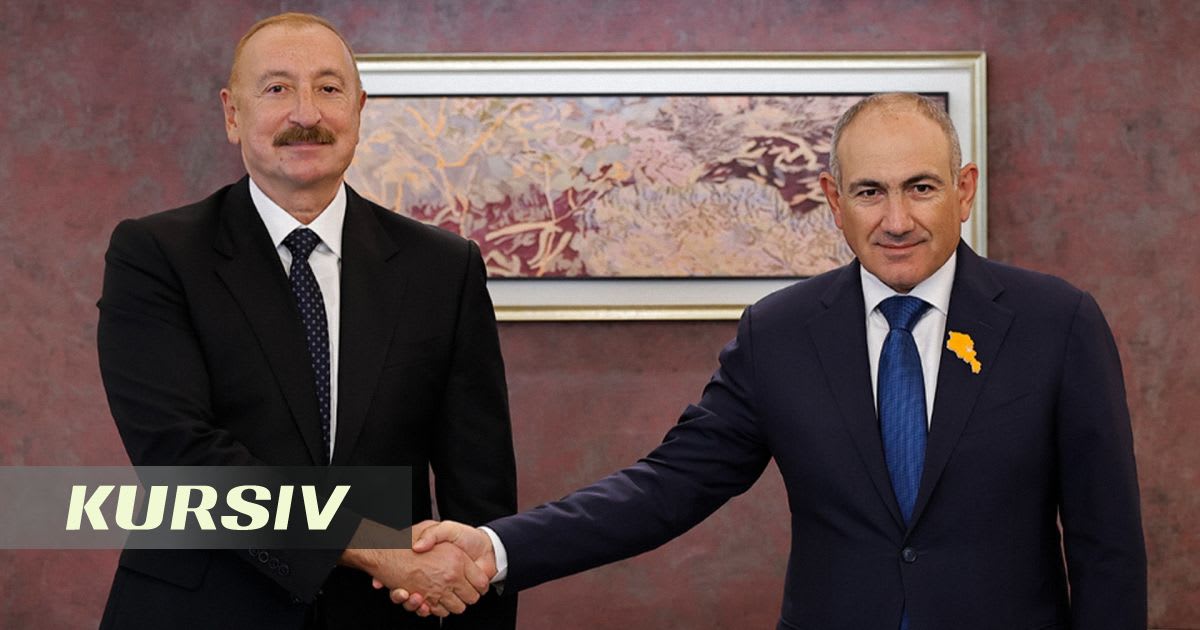
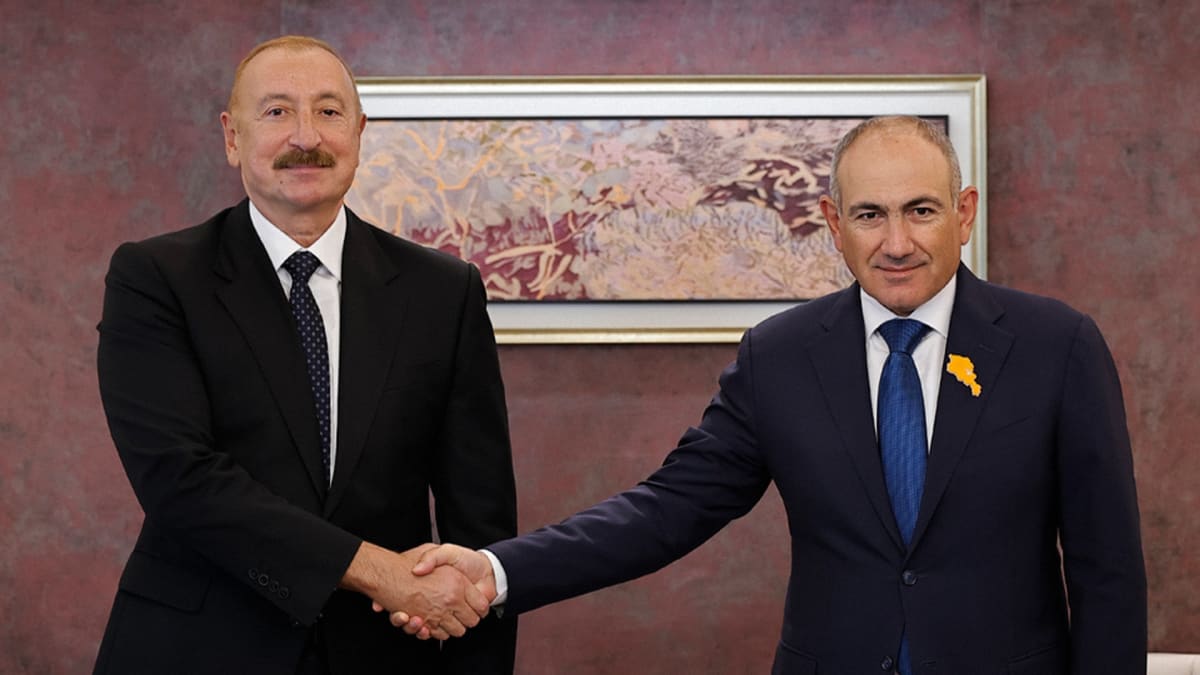
Two leaders who represent nations long at odds sat down together in Kyrgyzstan this August, and their conversation brought more than just diplomatic pleasantries. Azerbaijani President Ilham Aliyev and Armenian Prime Minister Nikol Pashinyan discussed how peace agreements signed earlier this month are already creating tangible changes for their people.
The meeting took place during the Shanghai Cooperation Organization Summit in Bishkek on August 31. Both leaders reflected on the Washington Peace Summit held on August 8, where they signed a joint declaration in the presence of U.S. President Donald Trump and initialed the Agreement on the Establishment of Peace and Interstate Relations.
The first signs of progress are already visible on the ground. Azerbaijani oil products are now flowing to Armenia, while grain and other goods from third countries transit through Azerbaijan to reach their destinations. These aren't just numbers on a trade ledger but represent reopened pathways between communities that have been separated by conflict.
The leaders discussed the Trump Route for International Peace and Prosperity, known as TRIPP, which aims to strengthen regional connectivity. New transport and logistics corridors could transform how goods and people move through the South Caucasus, creating economic opportunities that were unimaginable just months ago.
Beyond trade, the human connections are rebuilding too. Business leaders, parliamentarians, and civil society representatives from both countries are meeting directly, creating the grassroots relationships that sustain peace beyond government halls.
Border delimitation remains a sensitive issue, but both leaders praised the work of state commissions tasked with drawing clear boundaries. They committed to continuing this careful work, recognizing that clear borders help prevent future conflicts.
The Ripple Effect
This peace process extends far beyond two countries resolving their differences. The entire South Caucasus region stands to benefit from increased stability and connectivity. New trade routes could link Asia and Europe more efficiently, bringing economic growth to communities throughout the region. When former adversaries can work together on practical projects like transport corridors and energy transit, it creates momentum for cooperation in other areas. The direct contacts between business communities and civil society groups build trust at every level of society, making peace more resilient.
Both leaders agreed to support continued bilateral dialogue to consolidate lasting peace and normalize relations. What began with signatures on diplomatic documents is becoming real change that people can see and feel in their daily lives.
More Images

Based on reporting by Google News - Peace Agreement
This story was written by BrightWire based on verified news reports.
Spread the positivity!
Share this good news with someone who needs it